🔥 Camping Oven Guide
Bake, roast & grill outdoors with portable gas, wood & campfire ovens. Find the perfect oven for your next adventure.
A camping oven transforms your outdoor cooking experience. No more limited to boiled water or grilled meat – you can now bake bread, roast chicken, and even cook pizzas at your campsite. Whether you prefer a compact gas oven for quick setup, a traditional wood-fired oven that adds smoky flavor, or a portable campfire oven that works over coals, this guide covers everything you need to know.
Choosing the right camping oven depends on your cooking style, group size, and the type of camping you do. In this guide, we break down the different types, key features, safety tips, and even provide a few delicious recipes to try. For more outdoor cooking inspiration, check out our guides on camping cooking and campfire menus.
What to Look for in a Camping Oven
🔥 Fuel Type
Gas, wood, charcoal, or electric. Choose based on availability and cooking style.
📏 Size & Weight
Compact for backpacking, or larger for car camping and basecamps.
🌡️ Temperature Control
Thermostat or adjustable vents for consistent baking results.
🪨 Durability
Stainless steel or cast iron for long-lasting performance in the outdoors.
Types of Camping Ovens
1. Portable Gas Ovens
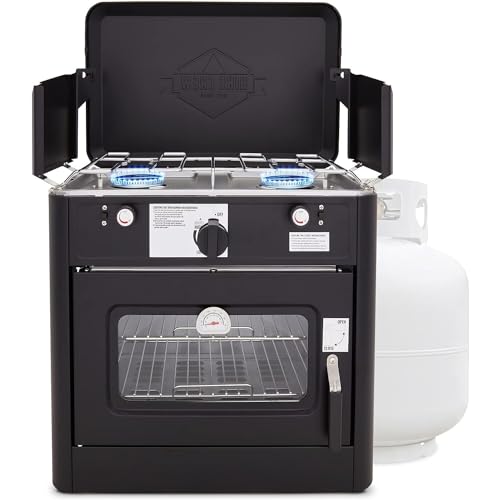
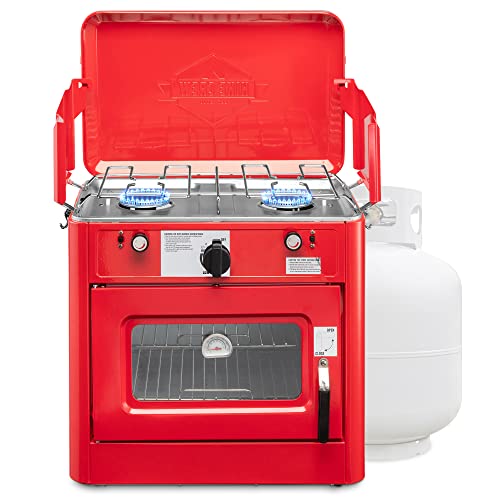
Gas camping ovens run on propane or butane canisters. They are the most popular choice for car campers and RVers because they offer precise temperature control and quick heat-up times. Many models fold flat or come in a compact case, making them easy to store. Look for models with a built-in thermostat and piezo ignition for convenience. Gas ovens are perfect for baking biscuits, roasting vegetables, and even making camping snacks like warm brownies.
2. Wood-Fired & Charcoal Ovens
For those who love the smoky flavor of wood-fired cooking, a wood-fired camping oven is a fantastic choice. These ovens typically feature a firebox and a baking chamber, allowing you to cook with wood or charcoal. They take a bit more skill to manage the temperature, but the results are unmatched. You can bake artisan bread, roast a whole chicken, or even smoke fish. These ovens are heavier and bulkier, so they are best for basecamp or car camping trips. Always check campfire regulations before using a wood-fired oven in areas with fire bans.
3. Campfire Ovens (Dutch Ovens & Box Ovens)
Campfire ovens are the classic choice. A Dutch oven with a lid is essentially a cast-iron pot that can be placed over coals. With a little practice, you can bake cakes, bread, and casseroles. Alternatively, a camp box oven – a metal box that sits over a campfire or stove – reflects heat to bake food evenly. These are affordable, durable, and require no fuel other than wood or charcoal. They are ideal for family camping and group trips. Learn more about campfire safety rules before using these ovens.
4. Electric & Solar Ovens
Electric camping ovens are becoming more popular, especially at campsites with electrical hookups. They are easy to use and often feature digital controls. Solar ovens harness the sun's energy and are great for eco-conscious campers, though they require direct sunlight and longer cooking times. For off-grid camping, a portable power station can run a small electric oven. Check out our guide on camping technology for more on power solutions.
Camping Oven Comparison
| Type | Fuel | Best For | Average Price |
|---|---|---|---|
| Portable Gas Oven | Propane/Butane | Car camping, RV, family trips | $150 – $400 |
| Wood-Fired Oven | Wood / Charcoal | Basecamp, glamping, flavor enthusiasts | $200 – $600 |
| Dutch Oven (Cast Iron) | Charcoal / Coals | Traditional camping, group cooking | $40 – $120 |
| Box Oven | Campfire / Stove | Lightweight baking, backpacking | $30 – $70 |
| Electric Oven | Electricity | Campgrounds with hookups | $100 – $250 |
Camping Oven Safety & Tips
- Ventilation: Always use gas and wood ovens in well-ventilated areas. Never use a gas oven inside a tent or enclosed space.
- Fire Safety: Keep a fire extinguisher or bucket of water nearby. Follow local fire ban guidelines.
- Temperature Monitoring: Use an oven thermometer to ensure accurate temperature, especially for baking.
- Cleaning: Allow the oven to cool before cleaning. Cast iron should be seasoned regularly to prevent rust.
- Practice: Test your camping oven at home before your trip to understand its quirks and temperature settings.
Try These Camping Oven Recipes
Once you have your camping oven, the possibilities are endless. Bake fresh cinnamon rolls for breakfast, roast a whole chicken with vegetables for dinner, or make a campfire pizza. For more meal ideas, explore our campfire menus and camping foods sections. A camping oven also pairs perfectly with a camping cooler to keep ingredients fresh.
Pro Tip: Baking at Altitude
If you're camping at high altitude, adjust your baking temperature and time. Generally, reduce the oven temperature by 25°F and increase baking time slightly. Always check for doneness with a toothpick or thermometer.
A camping oven is a game-changer for outdoor cooking. Whether you're a beginner or a seasoned camper, having the right oven can elevate your meals. For more essential gear, browse our camping essentials and camping kitchen guides. If you're planning a winter trip, check out winter camping gear for tips on cold-weather cooking.