Outdoor Stoves: The Ultimate Guide to Portable Camping Stoves
Master outdoor cooking with our comprehensive guide to camping stoves. From ultralight backpacking canister stoves to powerful basecamp propane burners, find the perfect stove for your adventures.
START READINGWhy Trust This Guide? We've researched and analyzed the most popular outdoor stoves on the market. This guide focuses on performance, fuel efficiency, and reliability, helping you make an informed decision for your next camping trip.
Why Your Choice of Outdoor Stove Matters
A reliable outdoor stove is the heart of your camp kitchen. It's not just about boiling water; it's about enjoying a hot meal after a long hike, brewing a fresh coffee at sunrise, and ensuring you have a safe, controlled way to cook in any environment. Unlike an open campfire, a portable stove offers instant heat, precise control, and can be used even when there's a fire ban. Whether you are a solo backpacker, a family car camper, or an overlanding enthusiast, the right stove transforms your outdoor experience from a survival exercise into a comfortable adventure.
When choosing an outdoor stove, you're balancing a few key factors: fuel type, weight, stability, and cooking power. A backpacker prioritizes a stove that is ultralight and packs down to almost nothing, while a car camper might prefer a two-burner propane stove that simulates the home kitchen. Understanding these trade-offs is the first step. For those looking to explore different camping styles, you might find that your stove needs change based on whether you are into luxury camping or survivalist camping.
Types of Outdoor Stoves: Find Your Perfect Match
Outdoor stoves are generally categorized by their fuel source. Each type has its own set of advantages and ideal use cases.
1. Canister Stoves (Isobutane/Propane Mix)
These are the most popular choice for backpackers due to their simplicity and lightweight design. The fuel comes in a sealed canister that you simply screw onto the burner. They are incredibly easy to use, offer excellent simmer control, and are very stable for solo cooking. However, their performance can drop in freezing temperatures, and you need to carry a separate isobutane canister for each trip. For winter trips, you'll need a stove designed for cold weather or to use a different fuel type. You can learn more about camping fuel types to make an informed choice. These stoves are perfect for backpacking gear setups.
2. Propane Stoves
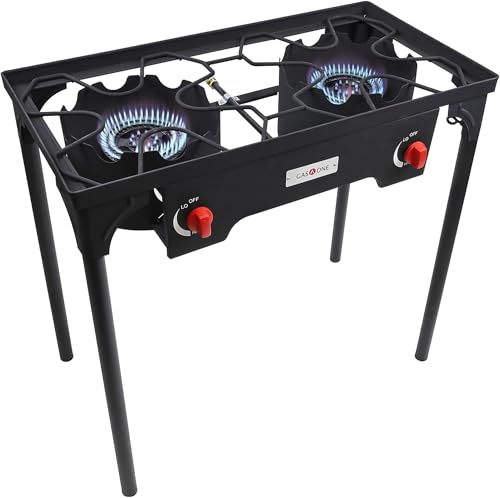
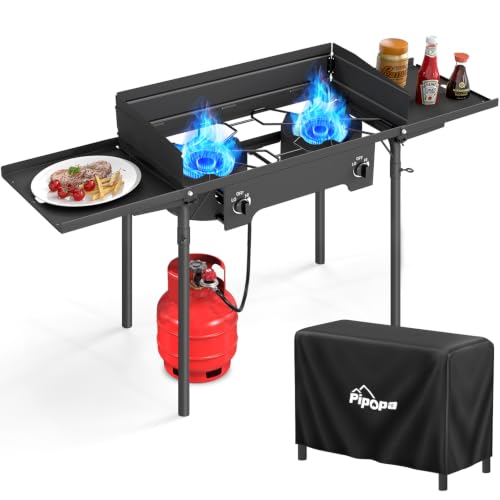
Propane is a versatile and widely available fuel. Stoves that use small, green 1lb propane cylinders are a great middle ground. They perform well in cold weather, are very powerful, and the fuel is easy to find at most hardware and outdoor stores. They are heavier than canister stoves but are great for car camping, emergency preparedness, and tailgating. A classic example is the propane lantern, which uses the same fuel. These stoves are a staple in any camping company or family trip.
3. Liquid Fuel (White Gas/Multifuel) Stoves
For serious expeditions and extreme cold, liquid fuel stoves are the gold standard. They burn white gas (coleman fuel), kerosene, or even gasoline. They require more maintenance and priming, but they are incredibly reliable and perform at high altitudes and in sub-zero temperatures. These are the stoves of choice for high-altitude mountaineers and winter campers. While more complex, they are a must-have for camping in remote, rugged locations.
4. Wood-Burning and Multifuel Stoves
These stoves use twigs, pinecones, and other biomass as fuel. They are a great backup option, as you don't need to carry fuel. However, they can be messy and are subject to fire bans. Some multifuel stoves can also burn alcohol or solid fuel tablets. This is a fantastic choice for a portable campfire experience without the need to build a large fire ring.
Outdoor Stove Comparison: At-a-Glance
| Type | Best For | Fuel | Weight | Performance Tier |
|---|---|---|---|---|
| Canister Stove | Backpacking, Solo Camping | Isobutane/Propane | Ultralight | Entry-Level to Premium |
| Propane Stove | Car Camping, Families | Propane | Moderate | Mid-Range |
| Liquid Fuel Stove | Expeditions, Winter | White Gas, Kerosene | Moderate to Heavy | High-End |
| Wood-Burning Stove | Emergency, Backups | Biomass | Varies | Budget-Friendly |
Key Features to Evaluate Before You Buy
Don't just buy the first stove you see. Consider these critical features to ensure you get the best value for your needs.
- Stability: A wide base and sturdy pot supports are crucial for safety, especially when cooking for a group. Stoves with a lower center of gravity are less likely to tip.
- Simmer Control: If you plan on cooking more than just boiling water, look for a stove with excellent flame adjustment. This is where premium models often outperform entry-level ones.
- Packed Size: For backpackers, every ounce and inch matters. Some stoves fold down to the size of a deck of cards.
- Ignition: A built-in piezo igniter is convenient, but they can fail. Always carry a lighter or matches as a backup.
- Wind Resistance: A stove that performs poorly in the wind will use more fuel and take longer to cook. Integrated windshields are a huge plus.
- Fuel Efficiency: A more efficient stove will require you to carry less fuel, which is critical for long trips.
When you're ready to look at specific products, you can explore recommendations for outdoor stoves that fit your style. For those who also enjoy a hot drink, pairing your stove with a camp kettle or a camping mug completes the experience. A good mess kit is also essential for eating your well-prepared meals.
Safety and Maintenance Best Practices
Safe operation and proper maintenance will ensure your outdoor stove lasts for many seasons. Always follow these guidelines:
- Never use a stove inside a tent, vestibule, or any enclosed space due to the risk of carbon monoxide poisoning.
- Check fuel connections for leaks before lighting. Listen for a hiss and smell for fuel.
- Set up your stove on a level, stable surface away from flammable materials.
- Keep children and pets at a safe distance while the stove is in use.
- Allow the stove to cool completely before packing it away.
- Clean your stove regularly to prevent clogging and ensure efficient performance.
- Always have a fire extinguisher or water nearby when cooking.
Understanding general campfire safety rules also translates well to stove safety. If a fire ban is in effect, a stove is often the only permitted cooking method, so make sure you know the fire ban guide for your area. For any outdoor emergency, being prepared with a first aid kit for camping is essential.
Related Guides for Your Camp Kitchen
Camping Cookware Essentials
The right pots and pans make all the difference. Learn what to look for in a set of camping cookware that fits your stove.
Read More →Camp Kitchen Setup
Organize your outdoor cooking space for maximum efficiency. From tables to storage, a good camp kitchen makes cooking a joy.
Read More →Winter Camping Gear
Cooking in the cold requires special considerations. Explore our guide to winter camping gear, including stoves that perform in low temperatures.
Read More →Frequently Asked Questions About Outdoor Stoves
What is the best fuel type for a beginner?
Canister stoves (isobutane/propane mix) are generally the best for beginners due to their ease of use, safety, and excellent simmer control. They are simple to attach and light.
Can I use a camping stove during a fire ban?
In most cases, yes. Stoves with an on/off valve that use pressurized gas or liquid fuel are typically allowed during fire bans. However, wood-burning stoves are almost always prohibited. Always check local regulations.
How do I know how much fuel to bring?
A good rule of thumb is that one 8oz canister of fuel will boil about 10-15 liters of water, depending on conditions. For a weekend trip, one small canister is usually sufficient for one person.
Are expensive stoves worth it?
It depends on your needs. High-end stoves often offer better fuel efficiency, more precise simmer control, lighter weight, and greater durability. For frequent users or those embarking on long expeditions, the investment is often worth it. For occasional car campers, a mid-range model is perfectly adequate.