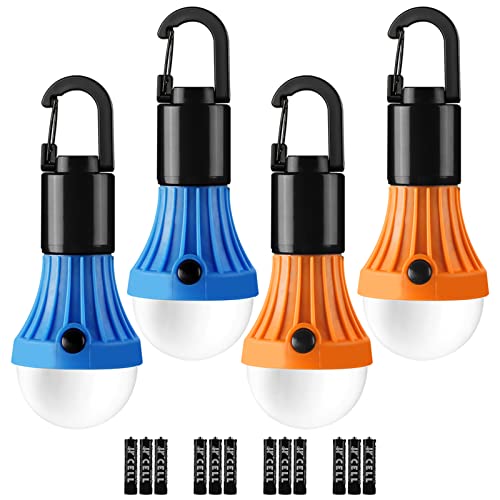
Tent Lights: The Complete Guide to Camping Illumination
Everything you need to know about choosing, using, and maintaining the perfect lighting for your tent and campsite.
START READINGWhen the sun dips below the horizon and the campsite settles into darkness, reliable lighting transforms your tent from a simple shelter into a comfortable, functional living space. Whether you're reading a book before sleep, organizing gear, or simply finding your way back from the campfire, the right tent lights make all the difference.
This comprehensive guide covers everything you need to know about camping lights—from lanterns and string lights to headlamps and rechargeable options. We'll explore how to choose the best lighting for your needs, compare different types, and share expert tips for maximizing battery life and illumination. By the end, you'll be ready to make an informed decision and enjoy a well-lit camping experience.
Why the Right Tent Lights Are Essential for Camping
Camping is about connecting with nature, but it's also about staying safe and comfortable. Adequate lighting is not a luxury—it's a necessity. A well-chosen camping lantern or set of tent lights serves multiple critical functions:
- Safety and Navigation: Prevent trips and falls when moving around your campsite after dark. A reliable portable lantern or rechargeable lantern helps you navigate unfamiliar terrain.
- Comfort and Convenience: Read, play cards, or organize your gear without straining your eyes. Good lighting makes your tent feel like a cozy retreat.
- Emergency Preparedness: A sudden storm or unexpected delay can leave you in the dark. Having backup lighting is a cornerstone of emergency preparedness camping.
- Extended Enjoyment: With proper illumination, your camping day doesn't end at sunset. You can enjoy evening activities and stargazing with the right ambient light.
Whether you're a casual camper or a seasoned backpacker, investing in quality lighting is one of the smartest gear decisions you'll make. It's not just about seeing—it's about enhancing your entire outdoor experience.
Types of Tent Lights and Camping Lanterns
The market offers a wide variety of lighting solutions, each designed for specific camping styles and needs. Understanding the differences will help you choose the perfect camping lamp or tent light for your adventures.
1. Traditional Camping Lanterns
These are the classic, freestanding lights that illuminate a wide area. Modern propane lanterns and battery-powered options are incredibly efficient. They're ideal for lighting up a picnic table or the inside of a large tent. Look for models with adjustable brightness and durable construction.
For a versatile option that can also serve as a camping lamp, consider a lantern with a collapsible design. These are perfect for family camping and basecamp setups.
2. String Lights and Fairy Lights
LED string lights are a fantastic way to add ambient, soft lighting to your tent. They're lightweight, packable, and often USB-rechargeable. String lights are excellent for creating a cozy atmosphere inside a tent or under a tarp. They're also a great choice for lux camping or glamping setups where aesthetics matter.
Many campers use string lights as tent lights because they distribute light evenly and don't create harsh shadows. They're also safer than open-flame options around children and pets.
3. Rechargeable Camping Lights
Rechargeable lanterns have become the gold standard for modern campers. They eliminate the need for disposable batteries, saving money and reducing waste. Many models can also serve as power banks to charge your phone or other devices—a valuable feature for camping technology enthusiasts.
When choosing a rechargeable light, look for USB-C charging, multiple brightness settings, and a sturdy build. These lights are perfect for backpacking gear due to their lightweight nature.
4. Headlamps and Flashlights
While not technically "tent lights," headlamps and flashlights are essential companions. A good headlamp keeps your hands free for tasks like cooking or setting up your tent. They're indispensable for what to do if lost situations and night hikes.
For a versatile setup, pair a headlamp with a lantern. The headlamp handles directional tasks, while the lantern provides ambient light.
5. Specialty Lights: Tent Fans and Combination Units
Some innovative products combine a fan and a light in one unit, perfect for hot summer nights. These are especially useful for camping in humid climates. Others combine a lantern with a power bank or a Bluetooth speaker, catering to tech-savvy campers.
Comparing Tent Lights: Which Type Is Right for You?
To help you decide, here's a comparison of the most common lighting options based on quality tiers and typical use cases.
Compact Lanterns
Entry-Level to Mid-RangeLightweight, affordable, and easy to pack. Ideal for solo campers and backpackers. Look for models with multiple brightness modes and a collapsible design. They're a great starting point for first-time camping tips.
Rechargeable Lanterns
Mid-Range to PremiumThese offer the best balance of convenience, performance, and durability. Many double as power banks. Perfect for family camping and extended trips. A must-have for camping power banks enthusiasts.
String Lights
Budget-Friendly to Mid-TierGreat for ambient lighting and creating a cozy atmosphere. They're lightweight and packable. Ideal for small tent setups and car camping. Pair them with a primary lantern for full coverage.
High-End Lanterns
Premium to LuxuryFeature-rich with rugged construction, long battery life, and advanced features like solar charging or integrated speakers. For those who want the best performance and reliability on camping destinations.
Pros and Cons of Different Lighting Types
✅ Pros of LED and Rechargeable Lights
- Energy-efficient and long-lasting
- Safe—no open flames or fuel
- Rechargeable options save money over time
- Many are lightweight and compact
- Often water-resistant or waterproof
⚠️ Cons to Consider
- Rechargeable lights require a power source
- Battery life can degrade over time
- Some premium models are a significant investment
- Cheaper lights may have shorter lifespans
- Extreme cold can affect battery performance
When weighing your options, consider your camping style. If you're a car sleeping enthusiast, you can afford to bring larger, more powerful lights. If you're a backpacker, prioritize lightweight and compact solutions.
How to Choose the Best Tent Lights for Your Needs
Selecting the perfect tent lights involves more than just picking the brightest option. Here are the key factors to consider:
Brightness and Lumens
Lumens measure brightness. For a small tent, 50–100 lumens is sufficient for reading. For a large family tent or group area, you'll want 200–500 lumens. Adjustable brightness is a valuable feature, allowing you to dim the light for ambiance or brighten it for tasks.
Battery Life and Power Source
Consider how long you'll be camping and whether you'll have access to power. Rechargeable lights are convenient but require charging. Battery-powered lights offer flexibility but generate waste. For extended trips, a portable power station can keep your lights charged.
If you're camping in cold weather, battery performance can drop significantly. Check out our guide on winter camping gear for tips on keeping your electronics warm.
Durability and Weather Resistance
Camping gear takes a beating. Look for lights with an IPX rating (water resistance). An IPX4 rating means the light can handle splashes, while IPX7 means it can be submerged. For camping in a tent in the rain, a waterproof light is essential.
Size and Weight
For backpackers, every ounce counts. A lightweight lightest daypack paired with a compact lantern is ideal. For car campers, size is less of a concern, and you can opt for larger, more powerful lights.
Additional Features
Some lights offer extra features like:
- Power bank functionality: Charge your phone in an emergency.
- Red light mode: Preserves night vision and is less disruptive to wildlife.
- Solar charging: Great for off-grid adventures. Pair with solar chargers camping for a sustainable setup.
- Remote control: Convenient for adjusting lights from your sleeping bag.
- Collapsible design: Saves space and protects the light during transport.
For tech-forward campers, consider lights that integrate with your best camping apps or smart camping gear ecosystem.
Expert Tips for Using Tent Lights Effectively
Once you've chosen your lights, here's how to get the most out of them:
- Hang Lights Strategically: Use the loop at the top of your tent to hang a lantern. For string lights, drape them along the walls for even illumination. Avoid placing lights directly on the tent fabric to prevent heat damage.
- Use Red Light Mode: Red light preserves your night vision and is less likely to disturb other campers or wildlife. It's also excellent for stargazing. Check out our guide to star gazing apps for more night sky tips.
- Conserve Battery: Use the lowest brightness setting that meets your needs. Turn off lights when not in use. If you're using a camping power bank, charge your lights during the day.
- Create a Lighting Zone: Use a bright lantern for the main living area and softer string lights for the sleeping area. This creates a functional yet relaxing environment.
- Practice Safety: Never leave a heat-generating light (like a propane lantern) unattended. Ensure all electrical connections are dry. For more safety tips, see our campfire safety rules guide.
- Pack Backup Lights: Always bring a spare headlamp or flashlight. Batteries can die, and having a backup is crucial for safety. This is a key principle of emergency preparedness camping.
- Respect Quiet Hours: Be mindful of your neighbors. Avoid shining bright lights into other campsites. Learn more about quiet hours camping etiquette.
Maintaining Your Tent Lights for Longevity
Proper care extends the life of your camping lights and ensures they're ready when you need them.
- Clean Regularly: Wipe down lights with a damp cloth after each trip. Avoid harsh chemicals that can damage the casing or lens.
- Store Properly: Remove batteries from lights if you won't be using them for an extended period. Store lights in a cool, dry place.
- Check Seals: If your light is water-resistant, inspect the seals and gaskets for wear and tear. Replace them if necessary to maintain the IP rating.
- Charge Rechargeable Lights: For rechargeable lights, follow the manufacturer's instructions for charging. Avoid leaving them completely drained for long periods, as this can damage the battery.
- Test Before Trips: Always test your lights before heading out. A quick check can prevent a dark and frustrating camping experience.
For more tips on maintaining your camping gear, explore our camping FAQ section.
Frequently Asked Questions About Tent Lights
What is the best type of light for inside a tent?
For inside a tent, LED string lights or a collapsible lantern are excellent choices. They provide soft, ambient light without being too harsh. Look for a light with multiple brightness settings and a warm color temperature for a cozy feel. A rechargeable lantern with a built-in power bank is a versatile option that also serves as an emergency charger.
How many lumens do I need for camping?
The ideal lumens depend on the activity. For reading in a small tent, 50–100 lumens is sufficient. For general campsite illumination, 200–500 lumens works well. For large group areas, you may want 500–1000 lumens. Many modern lights offer adjustable brightness, allowing you to adapt to different situations.
Are rechargeable tent lights better than battery-powered ones?
Rechargeable lights are generally more convenient and environmentally friendly, as they eliminate the need for disposable batteries. However, they require a power source to recharge. Battery-powered lights offer the flexibility of using readily available batteries, which can be a lifesaver in remote areas. Many campers carry both types for redundancy.
Can I use a regular flashlight as a tent light?
Yes, but a flashlight is not ideal for ambient lighting. Its focused beam creates harsh shadows and can be uncomfortable for extended use. A dedicated lantern or string lights are better for illuminating a tent. However, a flashlight is a valuable backup and is essential for tasks like night hiking or emergency signaling.
How do I keep my tent lights from attracting bugs?
Insects are attracted to ultraviolet (UV) light and blue light. To minimize bug attraction, choose lights with a warm white or yellow color temperature, or use a red light mode. You can also place your main light source away from your tent entrance and use a separate, dimmer light inside.
What should I look for in a camping lantern for winter use?
For winter camping, battery performance is a major concern. Look for a lantern that uses lithium batteries, which perform better in cold temperatures. Alternatively, keep your rechargeable lantern in your sleeping bag to keep it warm. A lantern with a durable, impact-resistant casing is also important for cold-weather durability. See our winter camping gear guide for more tips.
Are propane lanterns safe to use inside a tent?
No, propane lanterns should never be used inside a tent. They produce carbon monoxide, a colorless and odorless gas that can be fatal. They also pose a fire hazard. Always use propane lanterns in well-ventilated outdoor areas. For inside your tent, stick to battery-powered or rechargeable LED lights.
Ready to Light Up Your Camping Adventure?
Now that you have a complete understanding of tent lights, you're ready to choose the perfect lighting for your next trip. Browse our recommended products below to find the best camping lanterns and tent lights for your needs.
VIEW RECOMMENDED TENT LIGHTS