Sleeping System Guide: Build Your Perfect Camp Bed
A complete sleeping system combines shelter, insulation, and comfort into one reliable setup. Learn how tents, sleeping bags, pads, cots, and hammocks work together so you can sleep warm and wake up ready for adventure.
EXPLORE THE SYSTEMThe CampLifeEssentials Approach: A sleeping system is more than a sleeping bag. It is the layered combination of ground insulation, body insulation, shelter, and pillow that determines whether you sleep well or spend the night shivering. This guide breaks down each component so you can mix and match gear for your climate, terrain, and camping style.
What Is a Camping Sleeping System?
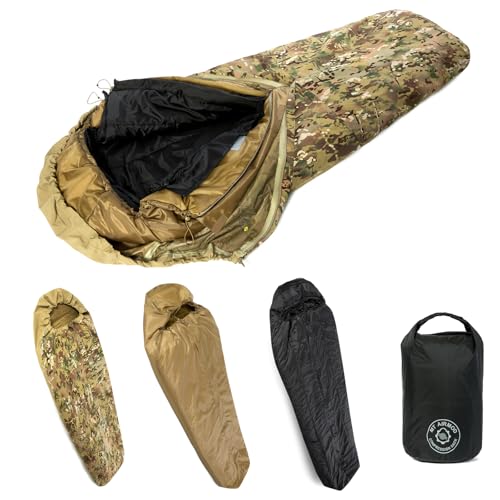
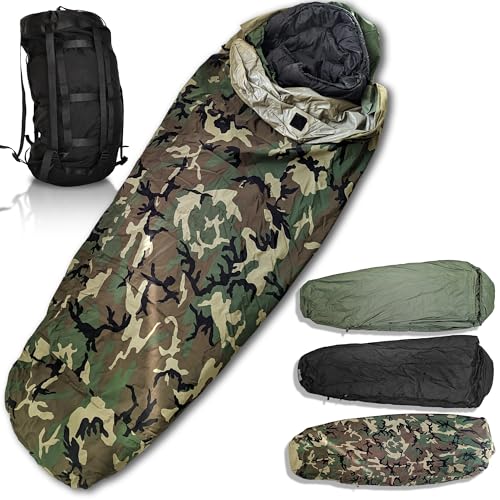
A sleeping system is the complete set of gear that keeps you warm, supported, and protected while you sleep outdoors. Each piece has a job: your sleeping tent or bivvy bag blocks wind and rain, your sleeping bag traps body heat, your pad or cot insulates you from the cold ground, and your backpacking pillow supports your neck. When these components work together, you sleep comfortably even in demanding conditions.
The biggest mistake new campers make is investing in one expensive item while neglecting the rest. A premium sleeping bag on a bare tent floor will still leave you cold because heat escapes into the ground. Likewise, a top-tier pad under a thin summer bag will not keep you warm in winter camping conditions. The system matters more than any single product.
Core Components of a Sleeping System
Shelter: Tent, Bivy, or Hammock
Your shelter is the outer layer of the system. It blocks wind, rain, and insects while trapping a layer of still air around you.
- Tents — best for families, car camping, and cold weather
- Bivy sacks — minimal weight for solo backpackers
- Hammocks — comfortable on uneven or rocky ground
- Camping pods — quick setup for casual trips
For a deeper comparison, see our guide on tent vs hammock to decide which shelter suits your body and terrain.
Sleeping Bag or Quilt
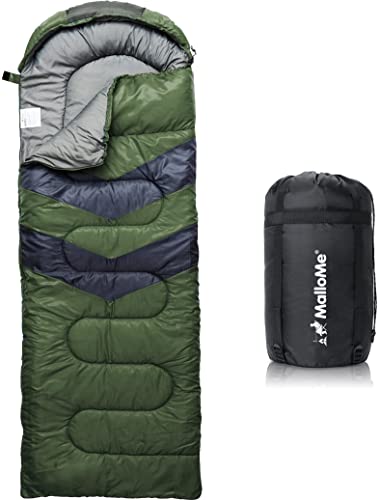
The sleeping bag is your primary insulation. It traps heat your body generates and prevents it from escaping.
- Mummy bags — efficient heat retention for cold nights
- Rectangular bags — roomy and comfortable for mild weather
- Quilts — lightweight option for weight-conscious campers
- Double bags — share warmth with a partner
Temperature ratings are the most important spec. Our sleeping bag temperature guide explains how to read EN and ISO ratings correctly.
Sleeping Pad or Air Mattress
Ground insulation is non-negotiable. The earth pulls heat away from your body far faster than air, so a pad is essential even in summer.
- Closed-cell foam — durable, lightweight, entry-level
- Self-inflating pads — balance of comfort and packability
- Air pads — premium comfort and warmth-to-weight ratio
- Air mattresses — car camping luxury with built-in pumps
Look for an R-value that matches your season. Higher R-values mean better insulation against cold ground.
Pillow and Accessories
Small items make a big difference in sleep quality. A proper pillow supports your neck and helps you relax after a long hike.
- Inflatable pillows — pack tiny and adjust firmness
- Compressible foam pillows — feel closer to home
- Stuff sacks — use spare clothing as a pillow in a pinch
- Sleeping bag liners — add warmth and keep bags clean
A nap sack is a lightweight option for warm-weather trips and hostel travel.
Camping Cots and Elevated Sleeping
Camping cots lift you off the ground entirely, which solves several problems at once. You avoid rocks, roots, and uneven terrain, you stay warmer because cold air sinks, and you can store gear underneath. Cots are popular for car camping, base camps, and long trips where comfort matters more than pack weight.
For a detailed look at construction, weight limits, and setup, visit our military cots guide. If you want the convenience of an air mattress with the support of a cot, a blow-up bed with built-in pump is a practical hybrid for car camping. Side sleepers often prefer a memory foam mattress topper for side sleepers to reduce pressure on hips and shoulders.
Sleeping System Comparison by Tier
The table below compares common sleeping system configurations by quality tier and typical use case. Use it to match your gear to your camping style rather than chasing the most expensive option.
| System Type | Best For | Comfort Level | Packability | Quality Tier |
|---|---|---|---|---|
| Foam pad + rectangular bag + bivy | Solo backpacking, mild weather | Basic | Excellent | Entry-Level |
| Self-inflating pad + mummy bag + 2P tent | Weekend camping, three-season use | Good | Very Good | Mid-Range |
| Air pad (high R-value) + down bag + 4-season tent | Cold weather, alpine, extended trips | Excellent | Good | Premium |
| Cot + air mattress + double bag + cabin tent | Family car camping, glamping, base camp | Luxury | Poor | Luxury |
| Underquilt + top quilt + hammock + tarp | Hammock camping, uneven terrain, warm climates | Very Good | Excellent | Mid-Range |
Hammock Sleeping Systems
Hammock camping has grown into a complete sleeping system of its own. Instead of a pad, hammock campers use an hammock underquilt that hangs beneath the hammock to trap warmth. A top quilt or sleeping bag covers the body above. A tarp or covered hammock provides rain and wind protection.
The main advantage is comfort on uneven ground. You never have to clear rocks or roots, and you stay off wet or muddy soil. The trade-off is that hammocks require trees or a stand, and they can be colder than tents without proper under-insulation. For a lightweight option, a portable hammock or lightweight hammock packs down small enough for backpacking.
Car Sleeping and Vehicle-Based Systems
Sleeping in a vehicle is a different kind of system. You already have a hard shell, so you focus on leveling the surface and adding insulation. A blow-up mattress for the back seat of a car turns a sedan into a basic camper. For SUVs and vans, a blow-up bed with built-in pump fills the cargo area and provides a flat sleeping surface.
Vehicle camping is ideal for car sleeping on road trips, at trailheads, or in campgrounds where tent setup is impractical. Combine it with a camper topper or a tailgate tent to extend your living space and improve ventilation.
Matching Your System to the Season
Summer and Warm Weather
Focus on ventilation and lightweight insulation. A thin pad, a 40°F to 50°F bag, and a well-vented tent are usually enough.
- Choose a breathable sleeping bag or quilt
- Use a low R-value pad for ground comfort
- Prioritize airflow to avoid overheating
- Consider a hammock for cool breezes
Spring and Fall
This is the most variable season. Temperatures can swing dramatically, so layering is key.
- Use a 20°F to 30°F bag for flexibility
- Add a mid-range R-value pad
- Bring a liner for extra warmth if needed
- Choose a three-season tent with good rain protection
Winter and Cold Weather
Cold-weather systems demand serious insulation and moisture management. Every component must work together.
- Use a 0°F or lower sleeping bag rated for the conditions
- Choose a high R-value pad (R-5 or above)
- Add a vapor barrier liner in extreme cold
- Use a four-season tent or hot tent camping setup
- Read our winter sleeping bags guide for detailed recommendations
How to Build Your Sleeping System Step by Step
Start with the ground layer and work upward. This order ensures you never overlook a critical component.
- Choose your shelter. Decide between a tent, hammock, bivy, or vehicle setup based on terrain and weather. If you camp in exposed areas, a insulated tent or tunnel tent may be worth considering.
- Select your ground insulation. Match the R-value to the season. Cold sleepers should choose a higher R-value than the rating suggests.
- Pick your sleeping bag. Use the temperature rating as a guide, not an absolute. Add a liner if you sleep cold. Our sleeping bag temperature guide explains the details.
- Add comfort accessories. A pillow, eye mask, and earplugs can transform a restless night into deep sleep.
- Test your system at home. Sleep in your setup in the backyard before committing to a remote trip. Adjust as needed.
Common Sleeping System Mistakes to Avoid
Neglecting Ground Insulation
The ground steals heat far faster than air. Even in summer, a pad is essential. Skipping it is the fastest way to a cold night.
Overestimating Bag Ratings
Temperature ratings assume you are wearing a base layer and using a pad. If you sleep cold, choose a bag rated 10°F to 15°F lower than the expected temperature.
Wearing Too Many Clothes
Wearing heavy layers inside a sleeping bag compresses insulation and traps moisture. Wear a thin base layer instead.
Ignoring Ventilation
Condensation builds up in sealed tents and bags. Vent your shelter and air out your bag every morning to prevent moisture buildup.
Frequently Asked Questions
-
What is the most important part of a sleeping system?
Ground insulation is often the most overlooked but critical component. A high R-value pad prevents heat loss into the ground, which is the leading cause of cold nights. Even the best sleeping bag cannot compensate for a cold floor.
-
Can I use a sleeping bag without a pad?
You can, but you will sleep cold. Sleeping bags are designed to be used with a pad that provides both comfort and insulation. Without a pad, the bottom insulation of the bag compresses under your body weight and loses most of its warmth.
-
Is a hammock warmer than a tent?
Not by default. Hammocks are exposed to airflow underneath, which can make them colder than tents. However, with an underquilt and a top quilt, a hammock system can be just as warm and often more comfortable on uneven terrain.
-
How do I choose the right sleeping bag temperature rating?
Start with the lowest temperature you expect to encounter. If you sleep cold, subtract 10°F to 15°F from that number and choose a bag rated for that lower temperature. Always check whether the rating is comfort or limit.
-
What R-value do I need for my sleeping pad?
For summer, R-1 to R-2 is sufficient. For three-season camping, aim for R-3 to R-4. For winter or cold sleepers, choose R-5 or higher. The R-value measures resistance to heat flow, so higher numbers mean better insulation.
-
Can I use a camping cot instead of a sleeping pad?
A cot lifts you off the ground, but it does not provide much insulation on its own. Cold air circulates underneath, so you still need a pad or air mattress on top of the cot for warmth and comfort.
Ready to Build Your Sleeping System?
Explore our recommended gear below and find the components that match your camping style, climate, and comfort needs. Every product is selected to work together as a complete system.
SEE RECOMMENDED GEAR