Backpacking Pillow Guide: Ultralight Comfort for Better Sleep
Your backpacking pillow is one of the smallest pieces of gear you'll carry, yet it can make or break your sleep on the trail. After a long day of hiking, a good pillow supports your neck, reduces tension, and helps you wake up ready for the next stage. This guide will help you understand the different types of backpacking pillows, what features matter most, and how to choose the right one for your sleep style and pack weight goals.
Why a Backpacking Pillow Matters More Than You Think
When you're carrying everything on your back, every ounce counts. Many hikers initially skip the pillow to save weight, stuffing clothes into a stuff sack instead. While this works in a pinch, a dedicated backpacking pillow offers consistent support, better hygiene, and a more restful night. Poor sleep on the trail leads to fatigue, slower recovery, and reduced enjoyment. A pillow is not a luxury—it's a small investment in your overall performance and comfort.
The challenge is finding a pillow that balances comfort, packability, and weight. Some prioritize minimal weight, while others focus on support for side sleepers or those with neck sensitivity. Understanding your own sleep position and priorities is the first step toward choosing wisely.
Types of Backpacking Pillows: Inflatable, Compressible, and Hybrid
1. Inflatable Pillows
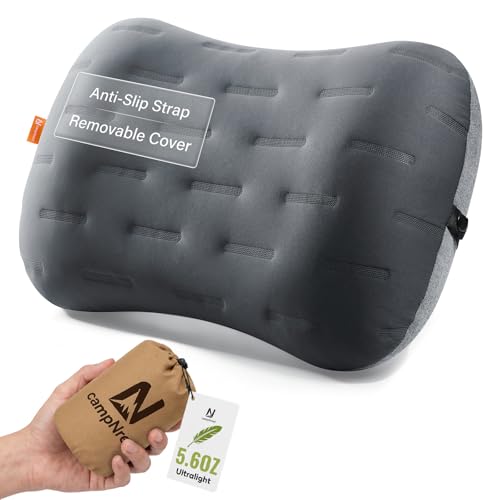
Inflatable pillows are the lightest and most packable option. They deflate to a tiny size—often smaller than a deck of cards—and weigh just a few ounces. Most use a valve system for inflation, and some include a built-in pump or stuff sack that doubles as a pump. The main trade-off is comfort: inflatable pillows can feel slippery or bouncy, and they don't offer the same plush feel as fabric-filled pillows. However, for ultralight backpackers and thru-hikers, they are often the top choice.
When evaluating inflatable pillows, look for models with a textured surface to reduce slipping, a durable valve, and a height that matches your sleep position. Side sleepers generally need a thicker pillow (4 inches or more), while back sleepers can get away with a lower profile.
2. Compressible Pillows
Compressible pillows are filled with foam, synthetic fiber, or down. They feel more like a traditional bed pillow but are bulkier and heavier than inflatable options. They pack down into a stuff sack, often to the size of a grapefruit or small melon. If comfort is your top priority and you're willing to carry a few extra ounces, a compressible pillow is an excellent choice. They are also less likely to slide around during the night.
For those who prioritize a good night's sleep over shaving grams, a compressible pillow can be a game-changer. Many models come with a washable cover, which is a bonus for long trips.
3. Hybrid Pillows
Hybrid pillows combine an inflatable core with a layer of foam or fabric on top. This design aims to offer the best of both worlds: the packability and adjustability of an inflatable pillow with the comfort of a compressible one. They are typically heavier than pure inflatables but lighter than full compressible pillows. Hybrids are a great middle ground for backpackers who want comfort without a huge weight penalty.
Key Features to Consider When Choosing a Backpacking Pillow
Weight and Packed Size
Weight is the primary concern for most backpackers. Ultralight inflatable pillows can weigh as little as 2 to 4 ounces, while compressible pillows may weigh 8 to 12 ounces or more. Packed size is equally important—you need a pillow that fits easily into your pack without taking up too much space. Inflatable pillows win here, as they compress to a fraction of their inflated size.
Comfort and Support
Comfort is subjective, but a few factors matter for everyone. The height of the pillow should align with your sleep position. Back sleepers need a lower pillow, side sleepers need a higher one, and stomach sleepers often prefer a very low or no pillow. The surface material also affects comfort—some fabrics are softer, while others are more durable and slip-resistant. If you move around a lot in your sleep, look for a pillow with a textured or contoured surface.
Durability and Valve Quality
For inflatable pillows, the valve is a common failure point. A quality valve should seal tightly and be easy to operate in the dark. Look for models with a durable construction and a warranty. Compressible pillows are generally more durable since they have fewer mechanical parts, but the fabric can wear over time.
Ease of Inflation and Deflation
Nobody wants to spend five minutes huffing into a pillow at the end of a long day. Some inflatable pillows come with a built-in pump or a stuff sack that doubles as a pump, which can speed up the process. Others have a simple valve that requires a few breaths. Test the inflation system if possible, or read reviews to see how easy it is to use.
Cleaning and Maintenance
Your pillow will collect sweat, oils, and dirt over time. Inflatable pillows can usually be wiped clean with a damp cloth. Compressible pillows often have a removable, washable cover. Consider how easy it is to clean before you buy, especially if you plan on multi-day trips.
How to Choose a Backpacking Pillow Based on Your Sleep Position
Side Sleepers
Side sleepers need a thicker pillow to fill the space between the shoulder and the head. A pillow that is too thin will cause the neck to bend, leading to discomfort. Look for an inflatable or hybrid pillow that is at least 4 inches thick when inflated. Some side sleepers also benefit from a pillow with a contoured shape or a strap that keeps it in place.
Back Sleepers
Back sleepers generally need a medium-height pillow that supports the natural curve of the neck. A pillow that is too thick can push the head forward, while one that is too thin may not provide enough support. Inflatable pillows with adjustable firmness are a good option, as you can fine-tune the height to your liking.
Stomach Sleepers
Stomach sleepers often prefer a very low pillow or no pillow at all. If you do use a pillow, choose a thin, soft option that doesn't force your neck into an awkward angle. A small inflatable pillow that can be partially deflated is a good choice.
Tips for Getting the Most Out of Your Backpacking Pillow
- Test it at home: Before you hit the trail, spend a night sleeping with your new pillow at home. This will help you determine if the height and firmness are right for you.
- Use a pillowcase: A small pillowcase or a clean t-shirt can keep your pillow clean and add a layer of comfort.
- Adjust firmness: If you have an inflatable pillow, experiment with different levels of inflation to find what feels best.
- Keep it secure: Some pillows have straps or attachments that keep them from sliding off your sleeping pad. If yours doesn't, consider using a piece of cord or a stuff sack to keep it in place.
- Consider a multi-use option: Some inflatable pillows double as a sit pad or a pump for your sleeping pad. Multi-use gear is always a win for backpackers.
Common Mistakes to Avoid When Buying a Backpacking Pillow
- Choosing weight over comfort: While it's tempting to go for the lightest option, a pillow that doesn't support you will ruin your sleep. Find a balance that works for you.
- Ignoring your sleep position: A pillow that works for a back sleeper may be terrible for a side sleeper. Always consider how you sleep before buying.
- Not checking the valve: A leaky valve can turn your pillow into a flat piece of plastic. Read reviews and choose a model with a reliable valve.
- Overlooking durability: A cheap pillow may fail after a few trips. Invest in a quality pillow from a reputable brand.
- Forgetting to test it: Always test your pillow before a big trip. A quick night at home can save you from a miserable night on the trail.
Frequently Asked Questions About Backpacking Pillows
Is a backpacking pillow worth the weight?
Yes. A quality backpacking pillow adds minimal weight but significantly improves sleep quality. Better rest means more energy, better decision-making on the trail, and a more enjoyable overall experience.
What is the lightest type of backpacking pillow?
Inflatable pillows are generally the lightest option, with some ultralight models weighing only a few ounces. They pack down to the size of a small fist or even smaller.
Are inflatable pillows comfortable for side sleepers?
It depends on the model. Side sleepers need a thicker pillow to fill the gap between the shoulder and head. Look for inflatable pillows with a height of at least 4 inches or consider a hybrid or compressible pillow for better support.
How do I clean my backpacking pillow?
Most inflatable pillows can be wiped clean with a damp cloth and mild soap. Compressible pillows with fabric covers are often machine washable, but always check the manufacturer's instructions. Avoid submerging inflatable valves.
Final Thoughts: Sleep Well, Hike Far
A backpacking pillow is a small piece of gear that can have a big impact on your outdoor experience. By understanding the different types, key features, and how your sleep position affects your choice, you can find a pillow that keeps you comfortable and rested without weighing you down. Whether you choose an ultralight inflatable, a plush compressible, or a versatile hybrid, the right pillow will help you sleep better and hike farther. Explore our recommended options below and get ready for your best night's sleep in the backcountry.