Car Sleeping: The Complete Guide to Comfort & Safety
Master the art of sleeping in your vehicle. From mattress selection and window insulation to ventilation and legal considerations — everything you need for a restful night on the road.
What You'll Learn
Why Choose Car Sleeping?
Car sleeping — also known as car camping or vehicle sleeping — has exploded in popularity. It offers a unique blend of freedom, affordability, and convenience that traditional tent camping sometimes lacks. Whether you're on a cross-country road trip, attending a festival, or simply need a rest stop during a long drive, your vehicle can become a surprisingly comfortable bedroom.
The appeal is clear: you're protected from the elements, you can park in many locations that don't allow tents, and you avoid the hassle of setting up a shelter in the dark or rain. For those who prefer a bit more structure than a traditional sleeping tent, car sleeping provides a secure, hard-shell environment. It's also an excellent entry point for people who are curious about camping in general but aren't ready to commit to a full backpacking setup.
✅ Advantages
- Weather protection from rain, wind, and snow
- Quick setup and takedown — just park and sleep
- Security from wildlife and intruders
- Works in urban and rural locations
- No tent poles or stakes required
- Can be stealthy for overnight rest stops
⚠️ Challenges
- Limited space — especially in smaller vehicles
- Condensation and ventilation issues
- Legal restrictions in some areas
- Less connection to nature than tent camping
- Requires specific gear for comfort
- Temperature control can be tricky
For many outdoor enthusiasts, car sleeping is a practical complement to other camping styles. You might use a sleeping hammock on warm summer nights but retreat to your car when the weather turns. Similarly, a bivvy bag is excellent for ultralight adventures, but car sleeping offers a level of comfort that minimalist setups can't match.
Legal & Safety Essentials
Before you plan your first night in your car, you need to understand the legal landscape. Sleeping in your vehicle is not universally permitted — rules vary dramatically by country, state, and even city. Some jurisdictions prohibit overnight parking entirely, while others allow it in designated rest areas, truck stops, or certain retail parking lots.
🔍 Important: Always check local regulations before sleeping in your car. What's legal in one town may be illegal just a few miles away. When in doubt, opt for a designated campground or rest area. For broader guidance on where you can and cannot camp, see our article on whether you can camp anywhere.
Safety Checklist for Car Sleeping
- Never sleep in a running vehicle — carbon monoxide poisoning is a silent killer. If you need heat, use a battery-powered heater designed for car camping.
- Park in well-lit, legal areas — rest stops, 24-hour truck stops, and some Walmart parking lots (check local policy) are common choices.
- Keep your keys accessible — you may need to move quickly in an emergency.
- Lock your doors — but ensure you have a way to exit quickly if needed.
- Don't sleep in the driver's seat — it's uncomfortable and can be dangerous. Recline the passenger seat or set up in the back.
- Be aware of your surroundings — if something feels wrong, trust your instincts and relocate.
- Have a communication plan — let someone know where you are. For remote areas, consider a satellite communicator or emergency beacon.
Personal safety also extends to your health. If you're sleeping in cold weather, be aware of the signs of hypothermia and frostbite. Our guide on preventing frostbite and hypothermia is essential reading for winter car sleeping. In hot climates, heatstroke is a real concern — learn about heatstroke prevention before you go.
Comfort Setup: Turning Your Car Into a Bedroom
The difference between a miserable night and a restful one often comes down to your sleep surface. The metal springs or hard plastic of a car seat is not designed for eight hours of sleep. Fortunately, there are excellent solutions for every vehicle type and budget tier.
Mattress Options for Car Sleeping
Your choice of mattress depends on your vehicle's interior dimensions and your sleeping position. Here are the main categories:
| Mattress Type | Best For | Comfort Level | Portability |
|---|---|---|---|
| Air Mattress (Car-Specific) | Sedans, SUVs, hatchbacks | Mid-range to high-end | Excellent — deflates and folds |
| Memory Foam Topper | Flat-folding seats, vans | Premium | Good — rolls up |
| Camping Pad (Self-Inflating) | Minimalist setups, small cars | Entry-level to mid-range | Excellent |
| Custom Fit Mattress | Specific vehicle models | Luxury | Fair — bulky |
For back-seat sleeping in a sedan, a blow-up mattress for the back seat of a car is a popular choice — it's designed to fit the contours of the seat and provide a flat surface. If you have an SUV or van with fold-flat seats, a blow-up bed with built-in pump can transform your cargo area into a comfortable bed in minutes.
Side sleepers often struggle with air mattresses because they can feel unstable. A memory foam mattress topper for side sleepers provides better pressure relief and support. For those with back pain, consider a memory foam topper for bad backs or an extra firm topper depending on your preference.
Window Covers and Privacy
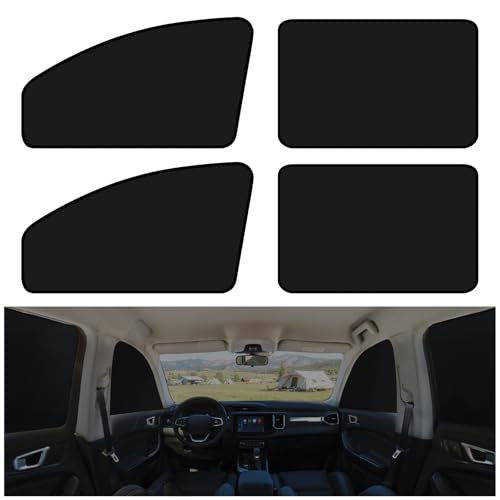
Window covers are not just about privacy — they're essential for temperature control, light blocking, and condensation management. Without them, you'll be woken by the sunrise, and your car will lose heat rapidly in cold weather.
- Reflective sunshades — inexpensive, effective for blocking light and reducing heat gain.
- Custom-fit blackout curtains — premium option that provides complete darkness and insulation.
- DIY solutions — Reflectix insulation cut to fit your windows works surprisingly well and is budget-friendly.
- Magnetic window covers — convenient if your car has a metal frame around the windows.
Don't forget about the windshield. A good sunshade or custom cover is essential for both privacy and temperature regulation. For more insights on sleeping comfort, see our guide on the most comfortable way to sleep in a tent — many principles apply to car sleeping as well.
Bedding and Pillows
Your bedding should match the season. In summer, a simple cotton sheet or lightweight sleeping bag is sufficient. In winter, you'll want a properly rated winter sleeping bag or a heavyweight down comforter. A backpacking pillow is compact and provides adequate support, while a full-size pillow offers more comfort if space allows.
For colder months, consider adding a camping blanket as an extra layer. And if you're sleeping in a very cold climate, a nap sack or bivy sack inside your car can add an extra layer of warmth and keep your bedding organized.
Ventilation & Climate Control
One of the biggest mistakes new car sleepers make is sealing the car up too tightly. Proper ventilation is critical for two reasons: preventing condensation and ensuring you have fresh air to breathe. Without adequate airflow, you'll wake up in a damp, stuffy environment that's uncomfortable and potentially unhealthy.
How to Ventilate Your Car While Sleeping
- Crack two windows on opposite sides — this creates cross-ventilation. Even a small gap makes a big difference.
- Use window deflectors — these allow you to crack windows even in rain without water entering.
- Install mesh screens — custom mesh screens over window openings keep bugs out while allowing air in.
- Leave a sunroof cracked — if you have one, a slightly open sunroof is excellent for ventilation (and stargazing).
- Use a small fan — a USB-powered fan can circulate air and make warm nights much more bearable. Check out our guide to camping lights and fans for options.
💡 Pro Tip: In cold weather, condensation is your enemy. The moisture from your breath will condense on cold windows and surfaces, leading to a damp sleeping environment. Good ventilation — even when it's cold — is essential. Crack a window slightly and use a camping blanket or sleeping bag rated for the temperature.
Staying Warm in Winter
Winter car sleeping requires preparation but can be incredibly rewarding. The key is to insulate yourself from the cold surfaces of your car and retain your body heat. Here are essential strategies:
- Insulate the windows — reflective covers or Reflectix make a massive difference.
- Use a proper sleeping bag — a winter sleeping bag rated for the temperatures you'll encounter is non-negotiable.
- Layer your clothing — follow the principles in our layering clothing guide.
- Wear a hat and socks — you lose a lot of heat through your head and feet.
- Use a hot water bottle — fill a Nalgene bottle with hot water and put it in your sleeping bag before bed.
- Consider a battery-powered heater — never use a propane or fuel-burning heater inside a closed car. For safe options, see our guide to winter camping heaters.
For comprehensive winter camping knowledge, including gear recommendations and safety tips, visit our winter camping hub. The principles of staying warm in winter apply directly to car sleeping.
Staying Cool in Summer
Summer car sleeping presents the opposite challenge: staying cool. Here's how to manage:
- Park in the shade — this is the single most effective strategy.
- Use reflective window covers — they block solar heat gain.
- Ventilate aggressively — cross-ventilation is essential.
- Use a battery-powered fan — a camping fan can make a huge difference.
- Sleep on top of your sleeping bag — not inside it.
- Consider a portable power station — to run a fan all night. See our guide to portable power stations.
For more tips on hot-weather camping, our heatstroke prevention guide is essential reading.
Essential Gear for Car Sleeping
While car sleeping requires less gear than tent camping, having the right equipment makes a world of difference. Here's a comprehensive list organized by category and tier.
Sleep System
- Mattress: Choose based on your vehicle and comfort needs. Entry-level options include self-inflating pads; mid-range includes car-specific air mattresses; premium includes memory foam toppers and custom fit mattresses. For a comprehensive overview, see our sleeping system guide.
- Sleeping Bag or Blanket: A three-season sleeping bag works for most conditions. For winter, invest in a winter sleeping bag. For summer, a simple camping blanket or sheet is sufficient.
- Pillow: A backpacking pillow is compact; a full-size pillow is more comfortable.
- Eye Mask and Earplugs: Essential for blocking light and noise in urban or rest-area settings.
Climate Control
- Window Covers: Reflective sunshades (budget), custom blackout curtains (mid-range to premium), or DIY Reflectix (budget-friendly).
- Fan: USB-powered or battery-powered fan for summer ventilation.
- Heater: Battery-powered heater for winter (never use fuel-burning heaters in a closed car). See our winter camping heaters guide.
- Thermal Underlay: A bedding mat or camping pad under your mattress adds insulation from cold car surfaces.
Power and Lighting
- Power Bank: To charge your phone and run small devices. See our guide to camping power banks.
- Portable Power Station: For running a fan or heater all night. See our guide to portable power stations.
- Lighting: A camping lantern or rechargeable lantern for reading and getting organized. Tent lights or camping lights also work well in cars.
Safety and Convenience
- First Aid Kit: A camping first aid kit is essential. Familiarize yourself with first aid for camping and common camping injuries.
- Emergency Communication: A satellite communicator or emergency beacon for remote areas. See our guide to emergency communication.
- Fire Extinguisher: A small ABC-rated extinguisher is a wise investment.
- Window Socks or Screens: For bug-free ventilation.
- Privacy Screen: A simple curtain or sunshade for changing clothes.
📦 Gear Storage Tip: Keep your car sleeping gear organized in a camping backpack or camping bag so you can quickly set up and pack away. A tent storage bag or tent box can also work well for keeping your sleep system contained.
For those who want to combine car sleeping with occasional tent camping, a tailgate tent or tent for the back of an SUV can extend your living space. And if you're considering a more permanent vehicle setup, explore camper toppers and tents for the back of your truck.
Frequently Asked Questions About Car Sleeping
No. Never sleep in a car with the engine running. Carbon monoxide (CO) is a colorless, odorless gas that can build up in the cabin and cause unconsciousness or death. If you need heat, use a battery-powered heater designed for car camping, or use extra blankets and a properly rated sleeping bag.
Condensation is caused by moisture from your breath condensing on cold surfaces. The solution is ventilation. Crack two windows on opposite sides for cross-ventilation. Use window deflectors so you can crack windows even in rain. In cold weather, use a camping blanket or sleeping bag that manages moisture, and consider a small desiccant packet or two inside the car.
The best mattress depends on your vehicle and sleep style. For sedans, a blow-up mattress for the back seat is ideal. For SUVs and vans with fold-flat seats, a blow-up bed with built-in pump works well. Side sleepers should consider a memory foam topper for side sleepers. For back pain, a memory foam topper for bad backs or an extra firm topper may be better. See our full guide to sleeping systems for more details.
Legal locations vary widely. Common options include rest areas, truck stops, some Walmart parking lots (check local policy), and designated campgrounds. Always check local regulations before sleeping in your car. For more guidance, see our articles on whether you can camp anywhere and campground vs wild camping.
Key strategies: insulate windows with reflective covers, use a winter sleeping bag rated for the temperatures, wear warm layers including a hat and socks, use a hot water bottle in your sleeping bag, and consider a battery-powered heater. Never use a fuel-burning heater in a closed car. For more, see our how to stay warm in winter guide.
Many campgrounds allow car sleeping, but some have specific rules about sleeping in vehicles versus tents. Always check with the campground before you arrive. Some campgrounds charge the same rate whether you sleep in a tent or a car; others have separate rates. For more information, see our campground vs wild camping guide.
Trust your instincts. If you feel unsafe, leave immediately and relocate to a more secure location — a well-lit rest area, a truck stop, or a campground. Keep your keys accessible so you can drive away quickly if needed. Always let someone know your planned location and check-in times. For emergency preparedness, see our guide to emergency preparedness and what to do if lost.
Ventilation is key. Air out your car thoroughly each morning by opening all doors and windows for a few minutes. Use a charcoal odor absorber or a small desiccant packet to manage moisture. Avoid eating strong-smelling foods in the car, and keep your bedding clean and dry. A small camping fan can help circulate air while you sleep.