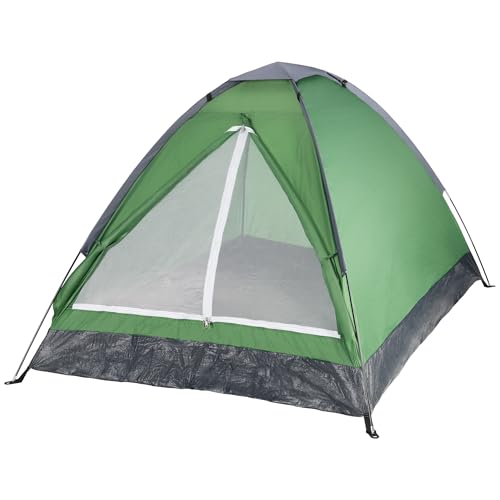
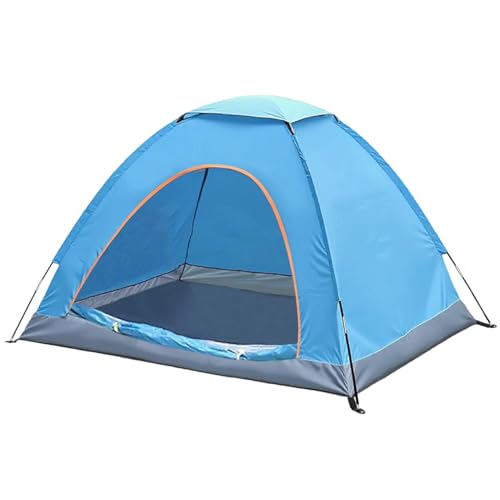
Mini Tent: Compact Shelter for Every Adventure
Discover the perfect mini tent for solo camping, bikepacking, and minimalist travel. Expert reviews, buying tips, and top-rated models.
Shop Top Mini TentsWhy a Mini Tent? Whether you're a solo adventurer, a bikepacker, or simply looking to save space and weight, a mini tent offers the perfect balance of portability, protection, and comfort. Our comprehensive guide covers everything you need to know to choose the best mini tent for your needs.
What is a Mini Tent?
A mini tent is a compact, lightweight shelter designed primarily for one person, though some models can accommodate two. Unlike larger family tents, mini tents prioritize portability and ease of setup without sacrificing essential protection from the elements. They are ideal for backpacking, bikepacking, motorcycle camping, and any adventure where weight and space are at a premium.
Key Features of a Quality Mini Tent
- Weight: Typically ranges from 1.5 to 4 lbs (0.7–1.8 kg). Ultralight models can weigh under 2 lbs.
- Packed Size: Usually compresses to about 16–20 inches in length and 6–8 inches in diameter.
- Capacity: Most are designed for one person, with a few offering a snug fit for two.
- Setup: Often feature a simple dome or tunnel design that can be pitched in under 5 minutes.
- Weather Resistance: Look for a waterproof rating of at least 1500mm and a sturdy frame to withstand wind and rain.
Benefits of Choosing a Mini Tent
🏕️ Portability
Mini tents are incredibly lightweight and pack down small, making them the go-to choice for any adventure where you need to carry your gear on your back or bike. They easily fit into a backpack or pannier, leaving room for other essentials.
⏱️ Quick Setup
Most mini tents feature a simple pole structure that can be set up in minutes. Many models are freestanding, meaning they can be pitched on any surface—perfect for those late-night arrivals or quick overnight stops.
🔒 Privacy & Protection
Despite their small size, mini tents provide a private, secure shelter. They offer excellent protection from rain, wind, and bugs, ensuring a comfortable night's sleep wherever you are.
💰 Affordable
Generally, mini tents are more affordable than their larger counterparts. You can find high-quality, durable options at a fraction of the cost of a full-sized tent, making them a great entry point for new campers.
How to Choose the Perfect Mini Tent
Selecting the right mini tent involves understanding your specific needs and the conditions you'll face. Here are the key factors to consider:
1. Season Rating
Mini tents come in 3-season and 4-season varieties. A 3-season tent is suitable for spring, summer, and fall, providing excellent ventilation and protection from rain and light winds. A 4-season tent is built for harsh winter conditions, with a stronger frame and less mesh to retain heat and withstand snow loads. For most casual campers, a 3-season tent is more than sufficient.
2. Capacity
While most mini tents are designed for one person, some models can fit two people. If you plan to share the tent, look for a "1.5-person" or "2-person" model. Remember, the advertised capacity is often optimistic. A 1-person tent is best for solo camping, while a 2-person model offers extra room for your gear or a companion.
3. Weight and Packed Size
Weight is critical for backpacking and bikepacking. Look for a tent that weighs under 3 lbs if you plan to carry it long distances. Check the packed size as well; a shorter, more compact tent is easier to attach to a backpack or fit inside a bike bag.
4. Setup Complexity
Consider how easy the tent is to pitch. Some mini tents use a single-pole system that can be set up in seconds, while others have more complex designs. If you're a beginner, opt for a freestanding tent with a simple dome structure.
5. Materials and Durability
Look for tents made with high-quality materials. The fly should be made of durable, waterproof nylon or polyester (e.g., 20D or 30D ripstop). The floor should be strong enough to resist punctures. Seam tape and waterproof coatings (like silicone or polyurethane) are also important for keeping you dry.
Mini Tent vs. Other Tent Types
Understanding how a mini tent compares to other options can help you make the right choice for your style of camping.
Top Mini Tents for Every Budget
Here are some of the best mini tents available on the market today, offering a great combination of weight, durability, and features.
🏆 Editor's Pick: Lightweight Mini Tent
For the ultralight backpacker, our top recommendation is a tent that weighs under 2 lbs, packs down to the size of a water bottle, and offers excellent weather protection. It’s the perfect companion for through-hikes and fastpacking adventures.
For those who prioritize space and comfort, a 2-person mini tent with extra headroom and vestibule storage is an excellent choice. It provides room for you and your gear, making it ideal for weekend getaways.
Expert Tips for Using Your Mini Tent
- Practice Setting Up at Home: Before you head out, set up your mini tent in your backyard or living room to familiarize yourself with the poles and clips. This ensures a stress-free setup at the campsite.
- Choose the Right Spot: Look for a flat, dry area away from low spots where water might pool. Clear the ground of rocks, sticks, and debris to protect the tent floor.
- Use a Groundsheet: A footprint or groundsheet adds an extra layer of protection to the tent floor, prolonging its life and keeping it dry.
- Ventilation is Key: Even on cool nights, crack open a vent or door to reduce condensation inside the tent. This is especially important in humid conditions.
- Maintain Your Tent: After each trip, let your tent dry completely before packing it away. This prevents mildew and prolongs the life of the fabric and coatings.
Related Guides
Ready for Your Next Adventure?
Find the perfect mini tent and start planning your solo or minimalist camping trip today.
Explore Top-Rated Mini Tents