The Ultimate Bivvy Bag Guide: Minimalist Shelter for Fast & Light Adventures
For backpackers who count every gram and crave simplicity, a bivvy bag is the ultimate shelter. Learn how to choose the right bivy sack for your next ultralight journey.
START EXPLORINGCampLifeEssentials Philosophy: A bivvy bag isn't just a shelter; it's a commitment to minimalism. It strips away the complexity of a tent, leaving you with a lightweight, compact, and incredibly versatile layer of protection against the elements.
What is a Bivvy Bag and Why Choose One?
A bivvy bag, also known as a bivy sack or bivouac sack, is a lightweight, waterproof cover for your sleeping bag. It's the simplest form of overnight shelter, offering a minimalist alternative to a tent. For those who practice fast and light backpacking, a bivvy bag is a game-changer. It eliminates the need for poles, stakes, and a separate footprint, drastically reducing the weight and bulk of your pack. This makes it an ideal choice for survivalist camping, solo adventures, and any trip where speed and efficiency are paramount. Unlike a small tent, a bivy sack forces you to embrace the outdoors in its rawest form, offering an unparalleled connection with nature.
Types of Bivvy Bags: Which One is Right for You?
Not all bivvy bags are created equal. They generally fall into three main categories, each designed for different conditions and priorities. Understanding these differences is key to making an informed decision.
- Waterproof Bivvy Bags: These are the most common and offer the highest level of protection. They are typically made from waterproof and breathable fabrics like Gore-Tex or similar materials. They are perfect for wet climates and provide a fully enclosed, protective cocoon. However, they can suffer from internal condensation if not properly ventilated.
- Water-Resistant Bivvy Bags: These are lighter and more breathable than fully waterproof models. They are often made from highly breathable, water-repellent fabrics like Pertex. They are excellent for dry, cool conditions where condensation is a bigger concern than heavy rain. They offer less protection in a downpour but provide superior comfort and breathability.
- Hooped Bivvy Bags: These feature a single or double hoop pole at the head end, which creates a small arch over your head. This design provides more space, better ventilation, and keeps the fabric off your face. Hooped bivvies are a great compromise between the minimalism of a traditional bivy and the livability of a tunnel tent or a bikepacking tent.
Key Features to Consider in a Bivvy Bag
When you're ready to choose a bivvy bag, these are the critical features that will determine your comfort and safety in the field.
1. Material and Breathability
The material is a balancing act between waterproofness and breathability. Event, Gore-Tex, and Pertex are common brand names. A highly breathable bag will reduce condensation, keeping your sleeping bag dry and warm. If you frequently camp in humid or cold conditions, breathability is arguably more important than absolute waterproofness. A winter camping gear list often includes a breathable bivy for this reason.
2. Ventilation
Look for features like a large mesh panel, a zippered opening, or a drawstring hood. Good ventilation is crucial to manage condensation. Some models have a "clamshell" opening that can be propped up with a trekking pole to create a small porch, offering better airflow and a view.
3. Size and Fit
A bivvy bag should be large enough to accommodate your sleeping bag and any extra clothing you might wear, but not so large that it creates a lot of dead air space, which can be hard to warm up. If you're using a thick winter sleeping bag, you'll need a correspondingly larger bivy. For a minimalist setup, consider pairing it with a nap sack or a sleeping system for ultimate efficiency.
4. Weight and Packed Size
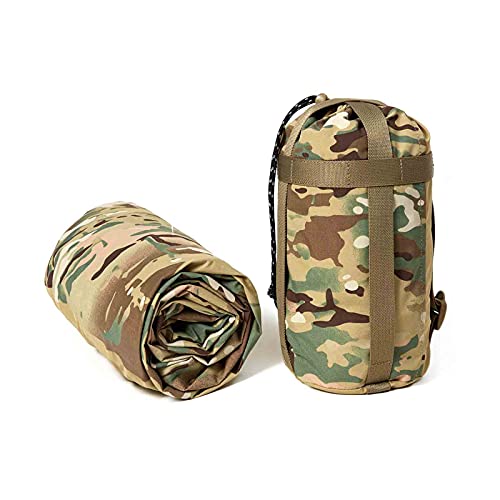
This is the primary reason people choose a bivvy bag. The lightest models can weigh well under a pound and pack down to the size of a grapefruit. This is a massive advantage for long-distance hikers and those who use a lightest daypack for their adventures. Always check the packed size to ensure it fits your backpacking strategy.
5. Entry and Exit
Some bivvies have a simple drawstring closure, while others have a full-length zipper. A full-length zipper makes it much easier to get in and out, especially in the middle of the night. Side-zip models are generally more convenient than top-zip models.
Bivvy Bag vs. Tent vs. Hammock: A Quick Comparison
Choosing your shelter is a personal decision based on terrain, climate, and personal preference. Here’s how a bivvy bag stacks up against a traditional tent and a camping hammock.
- Weight and Packability: Bivvy bags win here. They are significantly lighter and pack smaller than almost any tent. A hammock setup can also be very light, but requires a portable hammock, straps, and often an hammock underquilt for insulation.
- Weather Protection: A good tent offers the best all-around protection from wind, rain, and bugs. A waterproof bivy is excellent for rain but can be claustrophobic. A covered hammock needs a tarp for full rain protection. For extreme conditions, a winter tent is unmatched.
- Comfort and Livability: A tent, especially a cabin camping style or a tunnel tent, offers the most space to sit up, change clothes, and store gear. A bivy is a sleeping-only shelter. A hammock offers a comfortable sleep but limited space for gear.
- Site Selection: A bivy bag is the most versatile. You can sleep on almost any flat, dry patch of ground. A tent requires a clear, level area. A hammock requires two sturdy trees, which limits you in alpine or desert environments like Arizona desert camping.
For those who want the ultimate in lightweight freedom, the bivvy bag is unbeatable. For those who value space and comfort, a sleeping tent or a backpack tent might be a better choice.
How to Use a Bivvy Bag for a Comfortable Night's Sleep
Using a bivvy bag effectively requires a bit of practice. Here are some tips to ensure a good night's sleep.
- Choose Your Campsite Wisely: Look for a flat, dry, and sheltered spot. Avoid low-lying areas where water might pool. If you're in a cold environment, consider using a bedding mat or an anti-condensation mat underneath for extra insulation and to protect your bag.
- Manage Condensation: This is the biggest challenge. On a clear, calm night, leave the bivy's opening partially unzipped to allow moisture to escape. If you're using a hooped bivy, open the vent. In wet conditions, you'll have to seal it up, but try to ventilate as much as possible.
- Use a Ground Sheet: While many bivvies have a waterproof floor, adding a lightweight ground sheet (like Tyvek or polycro) will protect the bottom from abrasion and punctures.
- Practice Before Your Trip: Set up your bivy bag in your backyard or a local park. Practice getting in and out, and familiarize yourself with its ventilation features. This is especially important if you are new to first-time camping tips.
- Store Your Gear: You won't have space for your pack inside the bivy. Use a camping tarp to create a small shelter for your gear, or simply use a waterproof backpack cover and leave it outside.
Bivvy Bags for Survival and Emergency Preparedness
Beyond recreational backpacking, the bivvy bag is a critical piece of survival gear. An emergency bivvy, often made of reflective Mylar, is a staple in any winter emergency kit or emergency preparedness plan. These lightweight, inexpensive sacks can be the difference between life and death in a survival situation, reflecting up to 90% of your body heat. They are an essential part of any camping first aid kit for serious adventurers. While not as durable as a standard bivy, they are an indispensable backup for unexpected nights out. For those who venture into the wilderness, understanding what to do if lost includes having a reliable emergency shelter.
Final Thoughts: Is a Bivvy Bag for You?
The bivvy bag is a specialized tool for a specific type of adventurer. If you prioritize ultralight weight, packability, and a minimalist connection with nature over spaciousness and luxury, a bivvy bag is an exceptional choice. It is perfect for fast-packing, solo expeditions, and as a survival backup. However, if you camp with a family, in extreme weather, or simply value the comfort of a tent, a traditional shelter like a 4-person cabin tent or a 6-person dome tent might be more suitable. By understanding your needs and the features of a bivvy bag, you can make a decision that will lead to countless memorable adventures in the wild.