Tunnel Tent Guide: Expert Review, Setup & Buying Tips
Discover why tunnel tents are the top choice for family campers and adverse weather. Learn setup, pros & cons, and find the best model for your next adventure.
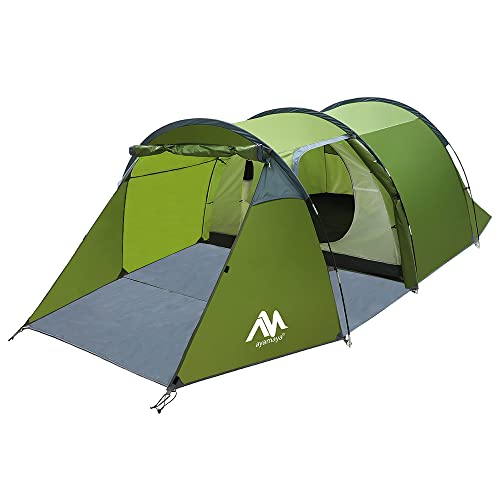
What is a Tunnel Tent? A tunnel tent is characterized by its arched, tunnel-like shape, supported by multiple flexible poles that create a spacious interior with excellent headroom. Unlike dome tents, tunnel tents offer a long, rectangular floor plan that maximizes living space, making them ideal for families, groups, and extended camping trips. Their aerodynamic design also provides superior wind resistance and stability in harsh weather conditions.
Why Choose a Tunnel Tent?
Tunnel tents are a popular choice among campers who prioritize space, comfort, and weather resistance. Their unique structure offers several distinct advantages over traditional dome or A-frame tents. If you're planning a family camping trip or expect challenging weather, a tunnel tent might be your perfect shelter.
👍 Pros
- Exceptional headroom & space: The near-vertical walls create a roomy interior, allowing you to stand up and move freely. Perfect for family camping.
- Excellent wind resistance: The low, rounded profile deflects strong winds effectively, making tunnel tents a top pick for exposed sites and coastal areas.
- Efficient use of floor space: The long rectangular shape maximizes usable floor area, ideal for multiple sleeping compartments or gear storage.
- Multiple entry & ventilation options: Many tunnel tents feature multiple doors and large mesh windows, promoting cross-ventilation and reducing condensation.
👎 Cons
- More complex setup: Requires threading poles through long sleeves and pegging multiple points. With practice, it becomes easier.
- Heavier & bulkier: Due to the additional poles and fabric, tunnel tents are generally heavier than dome tents of similar capacity, making them less suitable for backpacking.
- Requires ample pitch area: The long footprint demands a larger, flat campsite, which can be a challenge in tight or wooded areas.
- Can be more expensive: The high-quality materials and complex design often come with a higher price tag compared to basic dome tents.
Tunnel Tent vs. Dome Tent: Which is Right for You?
Choosing between a tunnel tent and a dome tent depends on your camping style, group size, and typical conditions. Here's a quick comparison to help you decide.
| Feature | Tunnel Tent | Dome Tent |
|---|---|---|
| Living Space | Excellent headroom, long floor plan | Good headroom, more compact |
| Wind Resistance | Superior (aerodynamic shape) | Good, but can catch wind |
| Setup Complexity | Moderate (more poles) | Simple (fewer poles) |
| Weight (for 4-person) | 12–18 lbs | 8–14 lbs |
| Best For | Family camping, car camping, bad weather | Backpacking, solo/couple, casual use |
Step-by-Step: How to Set Up a Tunnel Tent
Setting up a tunnel tent can seem daunting at first, but with these clear steps, you'll have your shelter ready in no time. Practice at home before your trip to build confidence.
- Choose a flat, debris-free site: Clear rocks, sticks, and sharp objects. Lay out a footprint or groundsheet to protect the tent floor.
- Unfold and orient the tent: Lay the tent flat with the doors facing the direction you prefer (e.g., away from the wind).
- Assemble the poles: Connect the pole sections. Most tunnel tents have 3 to 5 poles, each creating a hoop.
- Thread or clip poles: Depending on the design, either thread each pole through the dedicated sleeve or clip them to the pole clips along the tent body.
- Raise the tent: Starting from one end, lift the poles into position. Secure the first pole at the corners, then move to the next, working your way to the other end. The tent will begin to take shape.
- Peg out the corners and guylines: Stake down all corners, then attach and tension the guylines. Proper staking is crucial for stability, especially in windy conditions. Check our guide on choosing the right tent pegs.
- Attach the flysheet (if separate): Drape the rainfly over the frame and secure it with buckles or velcro. Ensure it's taut to prevent flapping and pooling water.
- Adjust and tension: Walk around the tent, adjusting pole tension and guylines for a tight, aerodynamic pitch.
Tunnel Tent vs. Other Shelter Types
When considering a tunnel tent, it's helpful to compare it with other popular tent designs. Each type serves a specific purpose and camping style.
- Hub Tents: Quick to pitch with central hubs, but often bulkier and less aerodynamic than tunnel tents.
- Insulated Tents: Designed for cold weather with thermal linings; tunnel tents can also be used in winter with proper insulation and a stove jack.
- Overland Tents: Rugged, safari-style tents; tunnel tents offer a more spacious and modern alternative for family overlanding.
- Canvas Teepees: Classic and stylish, but heavier and less wind-resistant than modern tunnel tents.
- Tarpaulin Tents: Lightweight and minimalist; tunnel tents provide full protection and comfort.
Top Tunnel Tents for 2026
Based on expert reviews, customer feedback, and field testing, here are some of the best tunnel tents available this year. They range from compact 2-person models to spacious family-sized shelters. Prices are approximate and current as of 2026.
-
💡 Budget Pick: Tunnel Tent 3-Person with Porch – $250+
Great value for beginners, easy to pitch, and offers a small awning area. -
⭐ Best Overall: 4-Season Tunnel Tent (4-Person) – $550+
Excellent wind performance, high-quality materials, and roomy interior. Ideal for year-round use. -
👨👩👧👦 Best for Families: Large Family Tunnel Tent (6-Person) – $800–$1,200
Massive living space, multiple rooms, and a covered porch. Perfect for extended family camping trips. -
🏕️ Lightweight Option: Ultralight 2-Person Tunnel Tent – $400+
For backpackers who want the wind resistance and space of a tunnel tent without the weight. -
🔥 Hot Tent Ready: Tunnel Tent with Stove Jack – $650+
Allows safe use of a wood stove, making it a favorite for winter camping enthusiasts.
*Prices are estimates and may vary by retailer. Check the latest deals below.
Tunnel Tent FAQs
Are tunnel tents good in high winds?
Yes, tunnel tents are among the best for wind resistance due to their low, curved profile. They deflect wind efficiently, making them a top choice for exposed locations and coastal camping.
How long does it take to set up a tunnel tent?
With practice, a tunnel tent can be set up in 10–20 minutes. The process involves threading poles and pegging multiple points, but it becomes faster with familiarity.
Can one person set up a tunnel tent?
Yes, but it's easier with two people. Solo setup is possible by using the "tent-stake-one-end-then-work-through" method. Many modern tunnel tents are designed for quick one-person pitching.
What is the best season to use a tunnel tent?
Tunnel tents are versatile and can be used year-round. 3-season models are great for spring to fall, while 4-season (winter) versions with stronger poles and stove jacks are suitable for snow and freezing temperatures. Learn more about winter tents.
Ready to Choose Your Tunnel Tent?
A tunnel tent offers an unbeatable combination of space, comfort, and weather protection. Whether you're planning a family getaway, a group expedition, or a solo adventure in challenging conditions, a tunnel tent is a reliable and versatile shelter.
Now that you have all the information, explore the recommended products below to find the perfect tunnel tent for your camping style. If you need more advice, check out our comprehensive camping tent guides or visit our camping FAQ page for more answers.