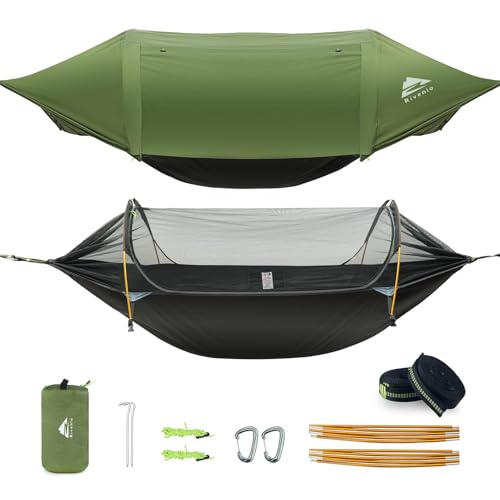
Sleeping Hammock Guide: Camping & Backpacking Shelter
Discover how a sleeping hammock can transform your outdoor experience—lighter, more comfortable, and closer to nature.
EXPLORE THE GUIDEWhy a Sleeping Hammock? A sleeping hammock is more than a piece of gear—it's a different way to experience the outdoors. Unlike a traditional sleeping tent, a hammock lets you sleep suspended between trees, away from uneven ground, rocks, and moisture. For backpackers, it can be lighter and more compact than a full tent system. But choosing the right hammock and understanding how to stay warm and comfortable is key. This guide will walk you through everything you need to know.
What Is a Sleeping Hammock and Who Is It For?
A sleeping hammock is a specialized camping hammock designed for overnight sleeping. It typically includes features like a built-in bug net, a structural ridgeline, and attachment points for insulation. It's a popular choice for backpackers, bikepackers, and anyone who wants a lightweight, versatile shelter. If you're transitioning from a backpack tent, you'll find that a hammock can reduce your pack weight and open up new campsites where the ground is unsuitable for a tent.
However, a hammock isn't for everyone. It requires trees or sturdy anchor points, and staying warm in cooler weather demands specific insulation like an hammock underquilt. If you often camp above the treeline or in deserts, a bivvy bag or a small tent might be more practical. For those who camp in forests and want a comfortable, bug-free sleep, a sleeping hammock is an excellent choice.
Key Benefits of Sleeping in a Hammock
🚀 Lightweight & Compact
A complete hammock system—hammock, suspension, and tarp—can weigh less than a one-person tent. It packs down small, making it ideal for backpacking gear lists and long-distance hikes.
😴 Comfort & Support
Sleeping on a comfortable angle eliminates pressure points. No more tossing and turning on hard, uneven ground. Many users find it superior to a camping bed or camping mats.
🌲 Versatile Campsites
Camp on slopes, rocky terrain, or wet ground where a tent won't work. As long as you have two sturdy anchor points, you have a campsite. This flexibility is a game-changer for wild camping.
🐛 Bug Protection
Most sleeping hammocks come with an integrated bug net, keeping mosquitoes and other insects away while you sleep. This is a huge advantage over a simple portable hammock.
How to Choose the Right Sleeping Hammock
When selecting a sleeping hammock, consider your primary use. Are you a weekend car camper or a thru-hiker? The answer will guide your choice in materials, suspension, and features. Below is a breakdown of what to look for.
1. Hammock Type & Features
- Gathered-end vs. Bridge Hammock: Gathered-end hammocks are the most common and comfortable for most sleepers. Bridge hammocks offer a flatter lay but are heavier and more complex.
- Integrated Bug Net: Essential for most environments. Look for a hammock with a zippered or integrated net.
- Structural Ridgeline: A ridgeline ensures a consistent, comfortable sag every time you hang your hammock.
- Suspension System: Whoopie slings, straps, or daisy chains. Straps are required in many parks to protect trees. Always use tree-friendly straps.
2. Insulation (The Secret to Warmth)
Your sleeping bag compresses under you in a hammock, offering little insulation. You need insulation underneath you. An underquilt is the gold standard, but you can also use a sleeping pad inside the hammock. For winter camping, a dedicated winter sleeping bag combined with an underquilt is essential.
3. Quality Tiers (No Prices, Just Value)
To help you compare without focusing on fluctuating prices, here's a breakdown of what different quality tiers typically offer:
| Tier | Materials | Weight & Packability | Best For |
|---|---|---|---|
| Entry-Level | Durable but heavier fabrics; basic suspension | Moderate to heavy; bulky | Casual campers, backyard use, budget-conscious |
| Mid-Range | Ripstop nylon; includes bug net & ridgeline | Balanced; good for weekend trips | Weekend backpackers, campers wanting comfort |
| Premium | High-tenacity nylon; lightweight suspension | Light; packs small | Backpackers, thru-hikers, weight-conscious |
| Luxury | Ultralight fabrics (e.g., Dyneema); premium components | Ultralight; extremely compact | Ultralight enthusiasts, long-distance expeditions |
When comparing a lightweight hammock to a more robust option, remember that the best choice depends on your priorities. A premium hammock is an investment in comfort and weight savings, while an entry-level model is perfect for trying out hammock camping.
Essential Hammock Accessories
A hammock alone isn't a complete shelter. To camp comfortably, you'll want to pair it with:
- Rain Tarp: A lightweight tarp is your roof. It protects you from rain and wind. Look for a tarp with a catenary cut for better coverage.
- Underquilt or Sleeping Pad: As mentioned, insulation underneath is critical. This is the most common mistake new hammock campers make.
- Top Quilt or Sleeping Bag: A traditional sleeping bag works, but a top quilt is lighter and easier to manage in a hammock. For colder weather, consider a camping blanket as an extra layer.
- Suspension Straps: Always use wide, tree-friendly straps to protect the bark.
- Bug Net: Often integrated, but separate nets are available for simple hammocks.
- Pillow: A small backpacking pillow or a stuff sack filled with clothes works well.
How to Stay Warm in a Sleeping Hammock
Cold is the number one reason people give up on hammock camping. The science is simple: your body compresses the insulation underneath you. Here's how to combat it:
- Use an Underquilt: This is the most effective solution. It hangs beneath the hammock and traps warmth without being compressed.
- Add a Sleeping Pad: If you don't have an underquilt, place a sleeping pad inside the hammock. An insulated pad with an R-value of 3+ is recommended for three-season camping.
- Wear Layers: Wear a hat, warm socks, and a base layer. Avoid cotton. For extreme cold, a winter camping gear list is invaluable.
- Block the Wind: Pitch your tarp low to block wind. A camping awning or a tarp with doors can provide extra protection.
- Ventilation: Condensation can make you cold. Ensure your tarp allows for some airflow to prevent moisture buildup.
For winter hammock camping, you'll need a specialized setup. Consider a winter sleeping bag with a low temperature rating, a full-length underquilt, and a winter-rated tarp. Always check the winter weather alerts before you go.
Sleeping Hammock vs. Tent: Which Is Right for You?
This is the classic debate. For a deeper dive, see our tent vs hammock guide. Here's a quick comparison:
| Factor | Sleeping Hammock | Tent |
|---|---|---|
| Weight | Often lighter, especially for solo campers | Can be heavier, but offers more livable space |
| Comfort | Excellent for side sleepers; no ground pressure | Depends on sleeping pad; can be uncomfortable on hard ground |
| Campsite | Requires trees; great for uneven or wet ground | Needs flat, clear ground; versatile in various terrains |
| Space | Limited; you change clothes inside the hammock | More room to store gear and move around |
| Warmth | Requires specialized insulation (underquilt) | Easier to stay warm with a pad and sleeping bag |
| Best For | Backpackers, solo campers, forest environments | Families, car campers, exposed terrain, winter camping |
If you're camping with a partner or family, a tent like a cabin tent or a tunnel tent is usually more practical. For solo adventures where weight and versatility matter, a sleeping hammock is hard to beat.
Frequently Asked Questions About Sleeping Hammocks
Ready to Experience Hammock Camping?
Now that you understand the benefits and how to choose the right gear, you're ready to make an informed decision. Explore our recommended sleeping hammocks and accessories below.
VIEW RECOMMENDED GEAR