Ten Person Tent: The Complete Guide for Large Group Camping
Everything you need to know before choosing a spacious, durable, and comfortable shelter for your family or group adventure.
START YOUR RESEARCHWhy a Ten Person Tent? A ten person tent is the ideal solution for large families, groups of friends, or anyone who values extra space and comfort at the campsite. Unlike smaller shelters, these tents offer room for sleeping, storage, and even a dedicated living area — making them a true home away from home.
Why a Ten Person Tent Is Worth Considering
When you're camping with a large group, the tent you choose can make or break the experience. A ten person tent provides enough room for everyone to sleep comfortably, store gear, and move around without feeling cramped. Whether you're planning a family camping trip with kids or a weekend getaway with friends, the extra space is invaluable.
These tents are typically designed with multiple rooms, allowing for privacy and organization. Some models even include a screen room or porch, which extends your living space and keeps bugs out. If you're new to group camping, you might also want to check our first-time camping tips to make your trip smoother.
Another advantage is versatility. A ten person tent can be used for car camping, base camp setups, or even as a semi-permanent structure during extended trips. If you're considering different camping styles, you might find our guide on campground vs wild camping helpful in deciding where to pitch your tent.
Key Features to Look For in a Ten Person Tent
Not all large tents are created equal. Before you buy, consider these essential features to ensure you get the best value and performance for your needs.
- Sleeping Capacity & Room Configuration Most ten person tents are designed to sleep ten adults on sleeping bags, but actual comfort depends on the layout. Look for models with room dividers or multiple rooms if privacy is important. Some tents, like those listed under tents with rooms, offer separate sleeping areas and a central living space.
- Peak Height & Stand-Up Space A tent you can stand up in dramatically improves comfort, especially during longer trips. Many ten person tents offer peak heights of 6 feet or more. If this is a priority, explore our guide on tents you can stand up in.
- Weather Resistance Look for tents with a full rainfly, taped seams, and waterproof coatings. A tent with a full rain fly offers superior protection against wind and rain. For winter or extreme conditions, consider a 4-season tent with a stove jack.
- Setup Simplicity Large tents can be challenging to pitch. If ease of setup is important, look for instant or cabin-style tents. Our article on the easiest tent to set up and take down can point you in the right direction.
- Durability & Materials The fabric and pole materials matter. Polyester and nylon are common, but the quality of the coating and stitching determines longevity. To understand material differences, read is nylon or polyester better for tents.
- Ventilation & Condensation Control Proper airflow is crucial to prevent condensation inside the tent. Look for models with mesh panels, vents, and optional screen rooms. A tent with an easy set-up screen room adds both ventilation and bug-free lounging space.
Types of Ten Person Tents: Which Style Suits You?
Ten person tents come in several styles, each with its own advantages. Understanding the differences will help you narrow down your options.
| Tent Style | Best For | Key Advantages | Things to Consider |
|---|---|---|---|
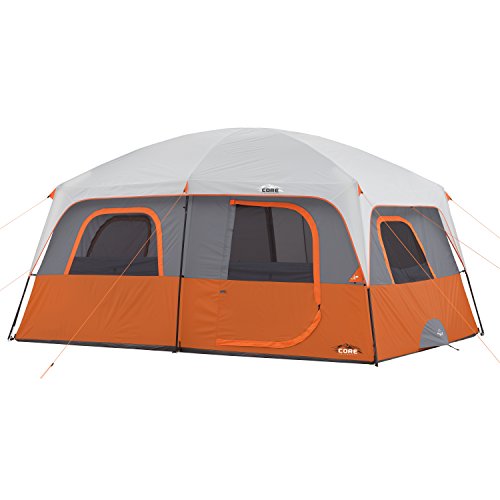
| Cabin Tents | Families, base camps, extended trips | Vertical walls, ample headroom, often have room dividers and large windows | Heavier and bulkier; may require more time to set up |
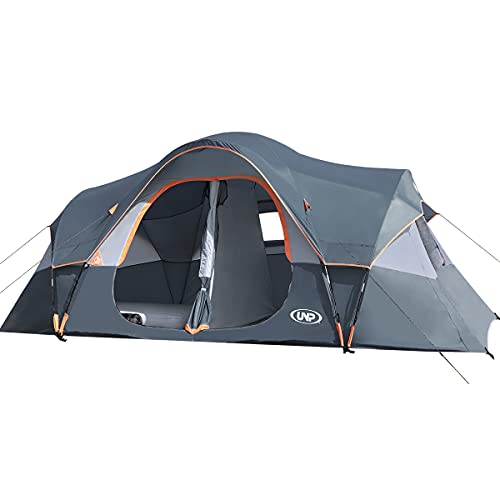
| Dome Tents | Group camping in moderate weather | Good wind resistance, relatively easy setup, freestanding design | Sloped walls reduce usable interior space compared to cabin tents |
| Instant / Pop-Up Tents | Beginners, quick weekend trips | Fast setup, minimal effort, convenient for short stays | Limited interior space, may not be as durable in severe weather |
| Multi-Room Tents | Large families, groups wanting privacy | Separate sleeping areas, central living space, organized layout | Often heavier and more complex to pitch |
For those who prioritize a stand-up experience, you may want to explore specific models like the 10 person instant cabin tent with awning or the 10 person instant cabin tent with screen room. If you prefer a dome style, the 10 person modified dome tent with screen porch is a solid option.
Setup Tips for Ten Person Tents
Setting up a large tent can be a daunting task, especially if you're doing it for the first time. Here are some practical tips to make the process smoother.
- Practice at Home First Before your trip, set up the tent in your backyard. This helps you identify missing parts and understand the assembly process. If you're setting up on a hard surface, read our guide on setting up a tent on concrete.
- Choose the Right Campsite Look for a level, clear area free of rocks and roots. If you're camping on a platform, check our tips for setting up a tent on a platform.
- Use Quality Stakes Large tents catch more wind, so invest in durable stakes. Our article on heavy-duty tent stakes explains what to look for.
- Delegate Tasks With a group, assign roles — one person handles poles, another manages the rainfly, and a third organizes the interior. This speeds up the process significantly.
- Prepare for Rain If rain is in the forecast, learn how to set up a tent in the rain to keep the interior dry.
Maximizing Comfort Inside Your Ten Person Tent
A ten person tent offers plenty of space, but how you organize it determines your comfort level. Here are some ideas to make the interior feel like a proper campsite home.
- Sleeping Arrangements Use air mattresses or cots for a comfortable night's sleep. If you're looking for a mattress that fits multiple people, consider a queen size air mattress or a king size blow up mattress with built-in pump.
- Storage & Organization Use packing cubes, hanging organizers, or small bins to keep gear tidy. A portable camping rug can make the floor more comfortable and help define different zones.
- Lighting Battery-powered lanterns or rustic outdoor lanterns provide ambient light without the risk of fire. Some tents even come with built-in LED lights, such as the 10 person instant cabin tent with LED lights.
- Climate Control In hot weather, a portable fan for camping can keep air circulating. In cold weather, a heated camping blanket or a safety tent heater can add warmth.
- Privacy If your tent doesn't come with room dividers, you can create privacy using hanging curtains or portable partitions. For tents specifically designed with privacy in mind, explore 11 person instant cabin tent with private room.
Weather Considerations for Large Tents
Large tents are more susceptible to wind and weather due to their surface area. Here's how to prepare for different conditions.
- Wind Use all guy lines and stake every loop. Position the tent so the lowest side faces the wind. Avoid exposed ridges or open fields.
- Rain Ensure the rainfly is properly secured and doesn't touch the inner tent walls. A tent with a full rain fly is essential for wet climates.
- Cold Weather For winter camping, consider a hot tent camping setup with a stove jack. Also, read our guide on keeping a tent warm in cold weather.
- Heat In hot climates, prioritize ventilation. Tents with large mesh panels and options like a pop-up canopy with netting can provide shade and airflow.
If you're camping in areas with wildlife, always follow proper food storage guidelines. Our article on food storage rules provides essential information for bear country and other wildlife areas.
Frequently Asked Questions About Ten Person Tents
How many people can actually sleep in a ten person tent?
While a ten person tent is rated for ten adults sleeping side-by-side on sleeping bags, real-world comfort varies. For maximum comfort, especially with gear, consider a tent rated for 10 but occupied by 6–8 people. If you need more space, you might look at 12 person tents with screened-in porch.
Are ten person tents difficult to set up?
It depends on the style. Instant cabin tents are generally easier and faster to set up, while multi-room cabin tents may take longer. Practicing at home and having a helper can make the process much smoother. For the easiest options, see our list of easiest tents to set up and take down.
Can a ten person tent fit in a car?
Most ten person tents are bulky when packed. They typically fit in the trunk of a large SUV or the bed of a pickup truck. If you're concerned about space, check the packed dimensions before buying. Some models are designed to be more compact, such as compact portable pop-up tents (though smaller capacity).
What is the best material for a ten person tent?
Polyester and nylon are the most common materials. Polyester is more UV-resistant and less prone to stretching, while nylon is lighter and stronger. Both can be treated for waterproofing. The quality of the coating and seams matters more than the base fabric. For a detailed comparison, read is nylon or polyester better for tents.
Do I need a tent with a screen room?
A screen room adds valuable living space and keeps bugs out while allowing airflow. It's particularly useful for families with kids or for camping in insect-prone areas. If this is a priority, look at models like the 10 person instant cabin tent with screen room.
Your Ten Person Tent Buying Checklist
Before you make a purchase, run through this quick checklist to ensure you're getting the right tent for your needs.
- Capacity: Do you need room for exactly 10 people, or do you want extra space for gear and movement?
- Room Layout: Do you need multiple rooms for privacy, or is an open floor plan acceptable?
- Height: Is stand-up height important to you?
- Weather Protection: What climate will you be camping in? Do you need a full rainfly or a 4-season tent?
- Setup: Are you willing to spend time pitching a complex tent, or do you prefer an instant setup?
- Portability: How much space do you have in your vehicle? Check packed size and weight.
- Durability: Look for reinforced seams, quality zippers, and sturdy poles.
- Ventilation: Ensure there are enough vents and mesh panels to prevent condensation.