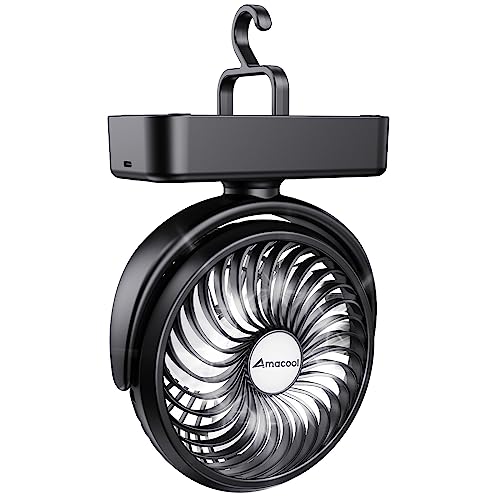
Why You Need a Portable Fan for Camping
Camping in warm weather can be challenging. Without proper ventilation, a tent can quickly become a sauna, making it difficult to sleep and enjoy your trip. A portable fan for camping is the simple, effective solution. These compact devices provide a steady breeze, improving air circulation and helping you stay cool. Beyond comfort, a fan can also help reduce condensation inside your tent and even deter flying insects. For those who camp in varying conditions, a fan is a versatile tool that complements other gear like a heated camping blanket for colder nights or a screen room for bug-free lounging.
Key Factors to Consider When Choosing a Camping Fan
Before you buy, it's important to understand the features that make a great camping fan. Here’s what to look for:
1. Power Source and Battery Life
Most camping fans are either battery-operated (using disposable or rechargeable batteries) or USB-rechargeable. Rechargeable fans are more eco-friendly and cost-effective in the long run. Look for models with a long battery life, ideally offering multiple speeds that can run for several hours on a single charge. Some high-end fans can even double as a portable power bank, allowing you to charge your phone or other small devices. For extended trips, consider a fan that can be powered by a portable power station for unlimited runtime.
2. Size, Weight, and Portability
Your fan should be easy to pack and carry. Consider the size and weight, especially if you're backpacking or motorcycle camping. Compact, foldable designs or clip-on fans are excellent for tents as they save space. A fan that is too heavy or bulky will likely stay at home. For car campers, weight is less of an issue, but space-saving designs are still a plus.
3. Airflow and Noise Level
The fan's purpose is to move air. Look for models with adjustable speed settings so you can control the airflow. A powerful fan is great for hot afternoons, while a lower, quieter setting is perfect for sleeping. Noise level is a critical factor for light sleepers. Many modern fans are designed to be whisper-quiet, so you can enjoy a peaceful night's rest. This is especially important if you're a light sleeper or camping with others.
4. Features and Mounting Options
Consider the extra features that can enhance usability. Many fans come with built-in LED lights, which are perfect for illuminating your tent without needing a separate camping lantern. Others have a hook or clip for hanging from a tent loop, a stand for setting on a table, or a magnetic base. Some fans are even designed to be used with a portable fridge to help circulate air around it for better efficiency. Timers and remote controls add convenience, allowing you to adjust settings without getting up.
Types of Portable Camping Fans
Camping fans come in various styles, each suited to different needs:
- Clip-On Fans: These are small, lightweight, and perfect for attaching to tent poles, gear lofts, or even the back of a heavy-duty camping chair. They are ideal for personal cooling.
- Standalone Fans: These fans have a base and can be placed on a table or the floor of your tent. Many models offer a wide oscillation range to cover more area.
- Ceiling Fans: Designed to hang from the ceiling of your tent, these fans provide overhead airflow, which is excellent for circulating air throughout the space. They are often used with large tents or tents with rooms.
- Rechargeable & USB Fans: The most popular choice, these fans are powered by a built-in rechargeable battery. They are convenient, cost-effective, and can be charged from a power bank, solar charger, or your car.
How to Get the Most Out of Your Camping Fan
Proper usage and maintenance will ensure your fan lasts for many trips:
- Positioning is Key: Place your fan near a tent vent or mesh window to pull in cooler outside air. If you're using a fan in a tent you can stand up in, position it high up to create a downward breeze.
- Clean It Regularly: Dust and dirt can clog the fan blades and motor. Before each trip, use a soft brush or a can of compressed air to clean the vents and blades. This is especially important if you camp in dusty environments like the Moab desert.
- Charge Before You Go: Make sure your fan is fully charged before leaving home. If it uses disposable batteries, pack spares. For longer trips, consider a solar charger to keep it topped up.
- Store Properly: Store your fan in a cool, dry place. Remove batteries if you won't be using it for a long time to prevent corrosion.
Safety Tips for Using a Camping Fan
While portable fans are generally safe, here are a few precautions:
- Keep Away from Water: Avoid using your fan near water sources, and never submerge it. If you're camping near a lake or river, like at a lake camping destination, be extra careful.
- Secure Cords: If using a USB-powered fan, ensure the cord is not a tripping hazard and is protected from the elements.
- Don't Block Vents: Ensure the fan's air intake and exhaust vents are not blocked. This can cause the motor to overheat.
- Use in Well-Ventilated Areas: While fans help with ventilation, always ensure your tent has proper airflow. If you're using a propane fire pit or any fuel-burning appliance inside, proper ventilation is critical to prevent carbon monoxide buildup.
Frequently Asked Questions (FAQ)
How long does a camping fan battery last?
Battery life varies widely by model and speed setting. A high-quality rechargeable fan can last anywhere from 4 to 20 hours on a single charge, depending on the fan's speed and features. Premium models with larger batteries tend to last longer.
Are camping fans noisy?
Modern camping fans are designed to be very quiet, especially on lower settings. Some models operate at less than 30 decibels, which is quieter than a whisper. If noise is a concern, look for a fan advertised as "quiet" or "whisper-quiet."
Can I use a camping fan in a tent?
Absolutely. This is their primary purpose. Most fans are designed to be hung from a loop at the top of a tent or clipped to a pole. Ensure your tent has adequate ventilation to allow hot air to escape.
Do I need a fan with a light?
It's a convenient feature, but not essential. A fan with a built-in LED light can be a great 2-in-1 solution for your shelter, reducing the need for a separate lantern. However, if you already have a good camping lantern, a fan without a light might be sufficient and more affordable.
What is the best fan for a family camping trip?
For a family, you might want a larger, more powerful standalone fan or a ceiling fan that can circulate air in a large tent. Multiple smaller fans can also be a good strategy, placing one in each sleeping area.