Pop Up Canopy with Netting: The Complete Guide to Screened Shelters
A pop up canopy with netting is one of the most versatile outdoor investments you can make. Unlike a standard canopy that only provides shade, a screened canopy gives you a protected space where you can relax, eat, or sleep without being tormented by mosquitoes, flies, and other biting insects. For campers, picnickers, tailgaters, and backyard hosts, this combination of instant setup and full enclosure is hard to beat.
If you have been searching for a shelter that offers both sun protection and insect defense, this guide will walk you through everything you need to know. We will cover how these canopies work, the key features to look for, how they compare to alternatives, and practical tips for getting the most out of your screened shelter. By the end, you will have a clear understanding of whether a pop up canopy with netting is the right choice for your outdoor adventures.
Quick Tip: Pop up canopies with netting are sometimes called "screen houses," "screened canopies," or "mosquito net canopies." Regardless of the name, the core concept is the same: a freestanding frame with a canopy roof and mesh walls that keep bugs out while letting air flow through.
What Is a Pop Up Canopy with Netting?
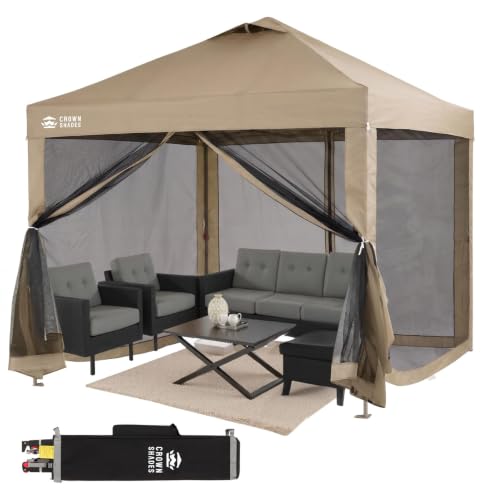
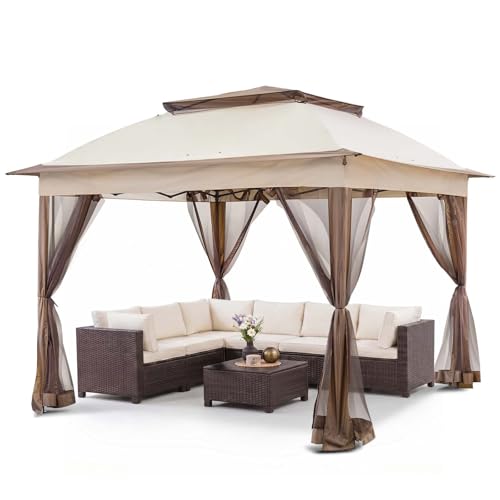
A pop up canopy with netting is a freestanding shelter that combines a quick-deploy frame with a roof canopy and full or partial mesh walls. The frame typically uses a scissor-style or accordion mechanism, allowing one or two people to set it up in under a minute. The netting is usually attached to the frame and can be zipped or clipped into place, creating a sealed interior that keeps insects out.
These shelters come in a range of sizes, from compact 6x6 feet models suitable for two people, up to 12x12 feet or larger for family gatherings. Many models include features like a pop up tent with sides for additional wind and rain protection, or a screen room configuration that adds a fully enclosed bug-free zone.
The netting itself is typically a fine polyester or nylon mesh with a density of 150 to 300 holes per square inch. This is fine enough to block no-see-ums and mosquitoes while still allowing excellent airflow. Some premium models use a slightly heavier mesh that also offers a degree of privacy and wind resistance.
Why Choose a Screened Canopy Over a Regular Canopy?
Standard pop up canopies are excellent for shade and rain protection, but they leave you exposed to insects. If you have ever tried to enjoy a meal at a campsite only to spend the entire time swatting mosquitoes, you already understand the value of netting.
A screened canopy transforms your outdoor space into a comfortable, bug-free retreat. This is especially valuable in areas with heavy mosquito populations, near water sources, or during peak bug season in spring and early summer. It also creates a dedicated space for activities that attract insects, such as cooking, eating, and socializing after dusk.
For campers who want the convenience of an instant shelter but need more protection than a basic canopy offers, a pop up canopy with netting is the ideal middle ground. It is more enclosed than a standard canopy but far quicker to set up than a traditional cabin tent. If you are also considering a dedicated sleeping shelter, you might look at a pop up camping tent for overnight use, while using the screened canopy as your daytime living space.
✅ Advantages
- Sets up in under 60 seconds
- Excellent insect protection
- Good airflow through mesh walls
- Versatile for camping, picnics, tailgating
- Often converts to a standard canopy by removing netting
- Freestanding — no stakes required in calm conditions
❌ Limitations
- Heavier and bulkier than standard canopies
- Netting can tear if snagged on branches
- Less effective in high winds than a tent
- Not designed for sleeping in heavy rain
- Some models have limited floor space due to frame legs
Key Features to Look For
1. Frame Construction and Durability
The frame is the backbone of any pop up canopy. Entry-level models often use powder-coated steel, which is affordable but heavier and prone to rust if the coating chips. Mid-range and premium models typically use aluminum or a combination of steel and aluminum, which reduces weight without sacrificing strength.
Look for frames with reinforced joints, especially at the scissor hinges and the feet. These are the stress points that fail first on cheap canopies. A heavy-duty tent stake set is also worth carrying, because even the best frame will shift in a breeze if it is not anchored properly.
2. Netting Quality and Attachment
The netting should be fine enough to block small insects but durable enough to survive regular use. Look for models where the netting is permanently attached to the frame or can be zipped on and off easily. Some canopies use Velcro or clips, which are convenient but can wear out over time.
Check whether the netting covers all four sides or just the sides facing the most likely bug entry points. Full enclosure is best for maximum protection, but it can make the space feel warmer on hot days. Many campers prefer a model with a screen room that offers full enclosure with good ventilation.
3. Roof Canopy and Weather Protection
The roof material should be a durable fabric such as 210D or 300D polyester with a waterproof coating. Look for a canopy with a UPF rating of 50+ if you will be using it in strong sun. Some models include a tent with full rain fly style overhang that provides extra rain protection.
If you plan to use your canopy in rainy conditions, consider a model with a pop up tent for cold and rainy weather or one that is specifically designed with taped seams and a waterproof roof.
4. Size and Capacity
Pop up canopies with netting come in several standard sizes:
- 6x6 feet: Best for two people or a small seating area. Lightweight and easy to transport.
- 8x8 feet: A good balance of space and portability. Fits a small table and chairs.
- 10x10 feet: The most popular size. Comfortable for four to six people or a picnic table.
- 12x12 feet: Ideal for larger groups, family gatherings, or a full camp kitchen setup.
- 10x20 feet: A large event-style canopy, often used for tailgating or group camping.
If you need a larger shelter, you might consider a 10x20 pop up canopy tent or a 12x12 pop up canopy tent for more spacious coverage.
5. Portability and Storage
Most pop up canopies with netting come with a wheeled carry bag. Check the packed dimensions and weight before buying, especially if you will be carrying it any distance. A lightweight model might weigh 25–35 pounds, while a heavy-duty 12x12 model can exceed 50 pounds.
If portability is your top priority, look for a lightweight camping chair for backpacking and a lightweight backpacking sleeping list to complement your setup. For car camping, weight is less of a concern, and you can prioritize durability and size.
How to Set Up a Pop Up Canopy with Netting
Setting up a screened canopy is straightforward, but there are a few best practices that will make the process smoother and extend the life of your shelter.
- Choose a level spot. Clear the area of rocks, sticks, and debris. If you are on a slope, position the canopy so the door faces downhill for easier entry.
- Unfold the frame. With the canopy standing on its legs, pull the frame apart until the scissor hinges click into place. Most models require two people for this step, though some can be managed solo.
- Attach the roof canopy. Drape the roof fabric over the frame and secure it with the provided hooks or Velcro straps. Make sure the seams are aligned with the frame corners.
- Attach the netting. If the netting is separate, zip or clip it to the frame. Start at the top and work your way down, making sure the zippers are aligned and the mesh is not twisted.
- Anchor the canopy. Even if there is no wind, use the included stakes or sandbags to secure the legs. A sudden gust can send an unanchored canopy flying. For soft ground, heavy-duty tent stakes are a worthwhile upgrade.
- Adjust the height. Most canopies have push-button legs that allow you to adjust the height. Set the legs to the desired height and lock them in place.
Setup Tip: If you are setting up on a hard surface like concrete or a wooden deck, you will need weights instead of stakes. Sandbags or water-filled weights are the standard solution. For more on this, see our guide to setting up a tent on concrete.
Pop Up Canopy vs. Alternatives
Understanding how a pop up canopy with netting compares to other shelter options will help you make the right choice for your needs.
| Shelter Type | Setup Time | Bug Protection | Weather Protection | Best For |
|---|---|---|---|---|
| Pop Up Canopy with Netting | Under 1 minute | Excellent | Good (sun, light rain) | Day use, picnics, camping |
| Standard Pop Up Canopy | Under 1 minute | None | Good (sun, light rain) | Shade, tailgating, events |
| Cabin Tent | 5–15 minutes | Excellent | Excellent | Overnight camping |
| Screen House | 2–5 minutes | Excellent | Moderate | Extended daytime use |
| Tarp Shelter | 5–10 minutes | None (unless modified) | Moderate | Ultralight backpacking |
As the table shows, a pop up canopy with netting excels at quick setup and insect protection. It is not a replacement for a full tent in heavy weather, but for day use and fair-weather camping, it is hard to beat.
If you need a shelter for overnight trips in wet or cold conditions, a dedicated tent is a better choice. Consider a tent with full rain fly or a tent you can stand up in for more robust protection. For winter camping, you will want a winter tent and a winter sleeping bag.
Best Uses for a Pop Up Canopy with Netting
Camping
A screened canopy is a game-changer for campsite comfort. Use it as a dining area, a bug-free lounge, or a place to store food away from insects. If you are camping in an area with heavy mosquito pressure, it can make the difference between a miserable trip and a great one. Pair it with a tent camping setup for sleeping and you have a complete camp.
Picnics and Backyard Parties
Keep food and guests protected from flies and mosquitoes. A pop up canopy with netting is ideal for backyard barbecues, birthday parties, and family reunions. It is also a great addition to a tailgating setup, especially for evening games when bugs are active.
Beach and Lake Trips
At the beach, a screened canopy provides shade and protection from biting flies and sand fleas. It is also useful for keeping sand out of food and drinks. If you are camping near water, a beach camping trip becomes much more enjoyable with a bug-free shelter.
Fishing and Hunting
Anglers and hunters often use pop up canopies with netting as a base camp or a place to escape insects while waiting. It is a comfortable alternative to sitting in a pop up ice fishing tent with wood stove when the weather is warm.
Maintenance and Care
To get the longest life out of your pop up canopy with netting, follow these simple maintenance tips:
- Clean the netting regularly. Shake out dust and debris after each use. For deeper cleaning, use a soft brush and mild soapy water. Never machine wash the netting.
- Dry before storing. Moisture is the enemy of both fabric and metal frames. Always let the canopy and netting dry completely before packing it away.
- Inspect the frame. Check for bent or cracked joints after each use. Lubricate the scissor hinges with a silicone spray if they become stiff.
- Repair small tears promptly. Use a tent repair patch or a piece of clear tape to fix small holes in the netting before they spread.
- Store in a cool, dry place. Avoid leaving the canopy in a hot car or damp garage for extended periods.
If you are also maintaining a tent, our guides on how long do tents last and are expensive tents worth it offer useful context for evaluating gear longevity.
Safety Considerations
While pop up canopies with netting are generally safe, there are a few important precautions:
- Never use a campfire or stove inside a screened canopy. The mesh is not fire-resistant, and carbon monoxide can accumulate. Always cook outside the canopy. For safe cooking setups, see our campfire safety rules.
- Anchor the canopy in wind. A sudden gust can turn an unanchored canopy into a dangerous projectile. Use stakes or weights at all times.
- Do not leave children unattended. The frame and netting can be damaged if climbed on, and the zippers can trap fingers.
- Check for overhead hazards. Do not set up under dead tree branches or power lines.
For more on outdoor safety, including common camping injuries and wilderness first aid, explore our safety guides.
Frequently Asked Questions
Can I sleep in a pop up canopy with netting?
You can, but it is not ideal for overnight sleeping in most conditions. The netting provides bug protection, but the shelter is not designed to handle heavy rain or wind the way a tent is. For occasional naps or fair-weather sleeping, it works fine. For regular camping, pair it with a proper tent.
How do I keep my pop up canopy from blowing away?
Always use the included stakes or sandbags. In soft ground, use heavy-duty stakes angled away from the canopy. On hard surfaces, use water-filled weights or sandbags on each leg. If strong winds are forecast, take the canopy down.
Can I use a pop up canopy with netting in the rain?
Light rain is usually fine, but heavy rain can pool on the roof and cause the frame to collapse. If rain is expected, choose a model with a peaked roof or a rain fly. Always angle the canopy slightly so water runs off.
How do I clean the netting?
Remove the netting if possible. Shake it out, then wipe it down with a damp cloth and mild soap. Rinse with clean water and let it air dry completely before reattaching. Avoid harsh chemicals that can damage the mesh.
What size pop up canopy with netting do I need?
For two people and a small table, a 6x6 or 8x8 canopy is sufficient. For a family of four or a picnic setup, a 10x10 is ideal. For larger groups or event use, choose a 12x12 or larger model.
Are pop up canopies with netting worth it?
For anyone who spends time outdoors in bug-prone areas, absolutely. The convenience of instant setup combined with effective insect protection makes them a valuable addition to any outdoor gear collection. They are especially worthwhile for campers, picnickers, and tailgaters.
Ready to Upgrade Your Outdoor Comfort?
Browse our recommended pop up canopies with netting and find the perfect screened shelter for your next adventure.
View Top PicksFinal Thoughts
A pop up canopy with netting is a simple solution to a common outdoor problem: how to enjoy the outdoors without being eaten alive by bugs. Whether you are camping, picnicking, tailgating, or just relaxing in the backyard, a screened canopy gives you a clean, comfortable, insect-free space that sets up in seconds.
When choosing a model, prioritize frame durability, netting quality, and size for your needs. Consider how you will use it most and whether you need a lightweight model for portability or a heavy-duty model for frequent use. With proper care, a good pop up canopy with netting will serve you for many seasons of outdoor enjoyment.
If you are building out your camping kit, explore our guides to pop up camping tents, camping checklists, and first time camping tips to make sure you have everything you need.