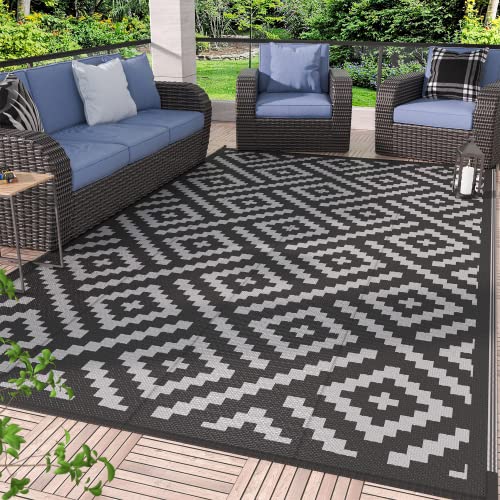
Portable Camping Rug: The Ultimate Guide to Comfort and Cleanliness
Transform your campsite from a dusty patch of dirt into a clean, comfortable outdoor living space. Learn how to choose, use, and maintain the perfect portable camping rug for your adventures.
Find Your Perfect RugWhy a Portable Camping Rug Is a Game-Changer
When you arrive at a campsite, the last thing you want is to track dirt, sand, or mud into your tent. A portable camping rug acts as a barrier between the wild outdoors and your clean living space. Beyond cleanliness, it provides a soft, comfortable surface for bare feet, defines your outdoor living area, and adds a touch of homely warmth to your campsite. Whether you are a car camper, an RV enthusiast, or a weekend tent camper, a good rug is one of the most underrated pieces of gear you can own.
This guide will walk you through everything you need to know about portable camping rugs, from materials and sizes to setup tips and maintenance. By the end, you will have the confidence to choose the right rug for your needs. For those just starting, our guide on tent camping provides a great foundation for building your essential gear list.
Key Factors When Choosing a Portable Camping Rug
Not all camping rugs are created equal. The best choice depends on your camping style, climate, and how much space you need. Here are the critical factors to consider:
Material & Durability
Look for polypropylene or recycled plastic weaves. These are waterproof, UV-resistant, and easy to clean. They resist mold and mildew, unlike natural fibers.
Size & Shape
Rugs range from small 4x6 feet mats for tent vestibules to large 9x12 feet or 9x18 feet rugs for RV awning areas. Rectangular is the most versatile shape.
Portability & Weight
Reversible mats fold or roll into a compact bundle. Look for a carry handle or included storage bag. Lighter rugs are easier to transport for backpacking.
Weather Resistance
Ensure the rug is waterproof and UV-stabilized. This prevents fading, rotting, and damage from sun, rain, and repeated use on various terrains.
Ease of Cleaning
Most plastic-based rugs can be swept, hosed down, or wiped clean. This is crucial for dealing with mud, food spills, and pet accidents.
Reversibility
Many rugs feature two distinct patterns. This allows you to change the look of your campsite or flip the rug over to hide stains and wear.
Materials Explained: Which Camping Rug Is Right for You?
The material of your rug dictates its performance. Here is a breakdown of the most common options:
| Material Type | Best For | Key Traits |
|---|---|---|
| Polypropylene (Plastic Weave) | General camping, RV use, beach | Waterproof, UV-resistant, lightweight, easy to clean, budget-friendly to mid-range |
| Recycled Plastic (Eco-Friendly) | Eco-conscious campers | Durable, reversible, UV-stabilized, often mid-tier to premium, made from recycled materials |
| Nylon or Polyester | Ultralight backpacking, tent vestibules | Very lightweight, compact, less durable for heavy use, not ideal for rough ground |
| Cotton or Natural Fibers | Glamping, aesthetic-focused setups | Breathable, natural look, but heavy, absorbs water, and requires careful maintenance |
For most campers, a polypropylene or recycled plastic weave offers the best balance of durability, portability, and weather resistance. If you are setting up a more permanent camp, like with a truck bed camper, a larger, heavier rug might be a better fit.
How to Set Up and Use Your Camping Rug Effectively
Getting the most out of your rug is about more than just laying it down. Follow these tips for a better experience:
- Clear the Ground: Remove large rocks, sticks, and debris from the area. This prevents damage to the rug and makes it lay flatter. For hard surfaces, you might need to set up on concrete if that's your only option.
- Use a Ground Tarp (Optional): For extra protection and to prevent moisture from wicking up, place a cheap tarp or a camping tarp underneath your rug.
- Position Strategically: Place the rug at the entrance of your tent or under your awning. This creates a "mudroom" effect, giving you a place to remove dirty shoes before entering.
- Secure the Edges: On windy days, use heavy objects like a heavy-duty cot or cooler to weigh down the corners. Some rugs come with loops for staking.
- Define Your Space: Use the rug to define your outdoor living room. Place your camping chairs, a small table, or even a portable fridge on the rug to create a cozy, organized area.
Cleaning and Maintaining Your Portable Camping Rug
Maintenance is simple and ensures your rug lasts for many seasons. After a trip, shake off loose dirt and debris. For a deeper clean, use a broom or a hose to rinse it down. Most plastic rugs can be cleaned with mild soap and water. Allow the rug to dry completely before folding and storing it to prevent mold and mildew. Store it in a dry, cool place, ideally in the included carry bag. Avoiding direct sunlight during storage will also help extend its lifespan.
When you're packing up, be sure to check out our guide on Leave No Trace principles to ensure you leave your campsite as you found it, with no micro-trash left behind.
Frequently Asked Questions
What is the best material for a camping rug?
Polypropylene and recycled plastic weaves are the best all-around materials. They are waterproof, durable, UV-resistant, and easy to clean. They offer the best balance of performance and portability for most camping situations.
Can I use a portable camping rug under a tent?
Yes, but it depends on the rug. A thin, lightweight rug or a dedicated footprint is ideal for under a tent to protect the floor. A thick, bulky rug can be uncomfortable and may not fit well under a tent floor. For inside the tent, consider a smaller, softer mat or a memory foam mattress topper for comfort.
How do I clean a muddy camping rug?
Let the mud dry completely first. Once dry, shake the rug vigorously or use a stiff broom to brush off the dried mud. Then, hose it down with water. For stubborn stains, use a mild soap solution and scrub with a brush. Allow it to air dry completely before folding.
Are camping rugs worth it?
Absolutely. A camping rug keeps your tent cleaner, provides a comfortable surface for walking and sitting, and helps define your campsite. It's a small investment that significantly improves the quality of your camping experience. For more on gear that matters, explore our camping essentials guide.
What size camping rug should I get?
For a tent vestibule, a 4x6 or 5x8 foot rug is sufficient. For a general campsite living area, a 6x9 or 8x10 foot rug works well. For large RV awning areas, consider a 9x12 or 9x18 foot rug. Measure your space before buying to ensure a proper fit.