Safety Tent Heaters for Camping: Battery Operated Guide
Discover how to stay warm safely in your tent with battery operated heaters. Learn about essential safety features, technology types, and how to choose the right model for your cold-weather adventures.
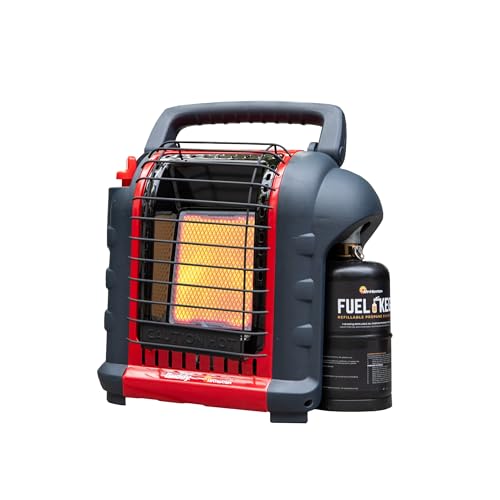
Cold weather camping offers a serene and magical experience, but staying warm safely is the top priority. Traditional fuel-burning heaters pose risks like carbon monoxide poisoning and fire hazards. That's why safety tent heaters for camping battery operated have become a game-changer for campers who want warmth without compromising safety.
Unlike propane or gas heaters, battery operated models produce no carbon monoxide, making them inherently safer for enclosed spaces. However, "safer" doesn't mean "risk-free." Understanding the technology, safety features, and proper usage is essential before you invest. This guide will walk you through everything you need to know to make an informed decision.
If you're new to cold-weather camping, it's wise to first understand the broader context of winter camping safety and how to stay warm in winter before focusing solely on heaters. A heater is just one part of a comprehensive warmth strategy.
Why Choose a Battery Operated Tent Heater?
The primary appeal of battery operated heaters is safety. They eliminate the risk of carbon monoxide (CO) poisoning, a silent and deadly threat associated with combustion heaters. This makes them suitable for use in enclosed tent environments where ventilation might be limited.
Beyond safety, these heaters offer convenience. There's no need to carry flammable fuel, no fumes, and no open flame. They can be used in tents, RVs, and even cars without the worry of exhaust. For those who camp in areas with fire bans or during seasons when open flames are restricted, a battery heater is a viable alternative.
However, it's important to set realistic expectations. Battery operated heaters are generally less powerful than their fuel-burning counterparts. They are best suited for taking the chill off a small space or maintaining a comfortable temperature in a well-insulated tent, rather than heating a large, uninsulated space in freezing conditions. Pairing a heater with a quality winter sleeping bag and a heated camping blanket creates a robust warmth system.
How Do Battery Operated Tent Heaters Work?
Most battery operated tent heaters use one of two technologies: forced-air heating or radiant heating. Understanding the difference helps you choose the right model for your needs.
Forced-Air Heaters
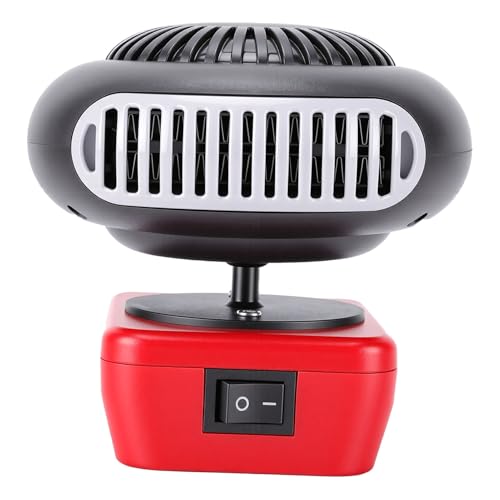
These heaters use a fan to draw in cool air, pass it over a heated element (usually a ceramic or PTC element), and blow warm air into the tent. They heat the air, which then circulates. They are effective for quickly warming a small space but can be noisy due to the fan. Models with adjustable fan speeds and quiet operation are preferred for light sleepers.
Radiant Heaters
Radiant heaters emit infrared radiation that directly warms objects and people in its line of sight, rather than the air. They are silent, which is a major advantage for sleeping. However, they only warm what they "see," so you need to be within the radiant zone. Some models combine both technologies for optimal performance.
The power source is typically a rechargeable lithium-ion battery pack. Runtime varies based on the heater's wattage and the battery's capacity. Many models offer multiple heat settings (e.g., low, medium, high) to balance warmth and battery life. Some higher-end models can also be powered by a portable power station, which can significantly extend runtime.
Essential Safety Features to Look For
When shopping for a safety tent heater for camping battery operated, certain features are non-negotiable for peace of mind.
⚠️ Critical Safety Features
Automatic Shut-Off: This is the most important feature. It turns the heater off if it overheats or tips over. Never buy a model without it.
Cool-Touch Exterior: Ensures the outer casing remains safe to touch, reducing burn risks, especially in small tents where accidental contact is likely.
Tip-Over Protection: A sensor that cuts power if the unit is knocked over. Essential for tents with pets or children.
Overheat Protection: Internal thermostat that shuts down the unit if it gets too hot.
Flame-Retardant Materials: The heater itself should be made from materials that resist catching fire.
Beyond built-in features, your usage habits are equally important. Always place the heater on a stable, flat surface away from tent walls, sleeping bags, and other flammable materials. Maintain the clearance distance specified in the manual. Even though battery heaters don't produce CO, it's still wise to ensure some ventilation to prevent condensation buildup, which can lead to dampness and mold. For more on fire safety in general, review campfire safety rules, as many principles apply.
Comparing Battery Operated Tent Heater Types
The table below compares the main types of battery operated heaters to help you understand the trade-offs. Remember, descriptors like "entry-level" and "premium" refer to market positioning, not price.
| Feature | Forced-Air (Ceramic/PTC) | Radiant (Infrared) | Combination |
|---|---|---|---|
| Heating Method | Heats air, circulates with fan | Directly warms objects/people | Uses both methods |
| Noise Level | Moderate (fan noise) | Silent | Low to moderate |
| Best For | Quickly warming small spaces | Spot heating, sleeping areas | Versatile use |
| Runtime (Typical) | 2–6 hours depending on setting | 4–8 hours depending on setting | 3–7 hours depending on setting |
| Market Tier | Common in entry-level to mid-range | Common in mid-range to premium | Typically premium |
| Key Consideration | Fan noise may disturb sleep | Must be in direct line of sight | Higher cost, best performance |
Pros and Cons of Battery Operated Tent Heaters
✅ Pros
- No carbon monoxide risk
- No fumes or open flame
- Safe for enclosed spaces
- Quiet operation (radiant models)
- No fuel to carry or store
- Can be used in fire-restricted areas
- Often portable and lightweight
❌ Cons
- Limited runtime compared to fuel
- Less powerful overall
- Requires charging before trips
- Battery capacity degrades over time
- Higher upfront cost for premium models
- Not ideal for large tents
- Replacement batteries can be costly
Understanding these trade-offs helps you decide if a battery heater fits your camping style. For extended trips or very cold conditions, you might need to combine it with other strategies, such as using a hot tent camping setup with a wood stove, or ensuring you have a winter emergency kit as a backup.
How to Choose the Right Battery Operated Tent Heater
With so many options, narrowing down your choice can be overwhelming. Focus on these key factors:
- Tent Size and Insulation: A small, well-insulated tent is easier to heat. For larger tents, you'll need a more powerful model or multiple heaters. Consider the tent size guide to understand your space.
- Battery Life and Power Source: Look for models with sufficient runtime for your typical sleep duration. If you have a portable power station, choose a heater that can run off it via USB or AC adapter for extended use.
- Safety Certifications: Ensure the heater has relevant safety certifications (e.g., UL, ETL, CE). These indicate it has passed independent safety tests.
- Noise Level: If you're a light sleeper, prioritize a radiant or silent-operation model. Check user reviews for real-world noise feedback.
- Portability and Weight: If you're backpacking, weight is critical. Look for compact, lightweight models. For car camping, weight is less of an issue.
- Additional Features: Some models include built-in LED lights, timers, or remote controls. These can add convenience but may increase cost.
- Quality Tier: Entry-level models are basic and affordable. Mid-range offers better efficiency and features. Premium models provide the best performance, longest runtime, and advanced safety features.
Before you buy, it's also wise to review general winter camping gear guides to ensure your heater complements your other equipment. A heater works best as part of a system that includes a proper sleeping bag, insulated sleeping pad, and layered clothing.
Best Practices for Using Battery Operated Heaters in Tents
Even the safest heater requires responsible use. Follow these guidelines to ensure a safe and comfortable experience:
- Read the Manual: Every heater is different. Follow the manufacturer's instructions for placement, clearance, and operation.
- Ventilation is Still Important: While no CO is produced, tents can become humid. Crack a vent or window slightly to allow moisture to escape and prevent condensation.
- Never Leave Unattended: Turn off the heater when you leave the tent or go to sleep, unless the model is explicitly designed for unattended overnight use and you are confident in its safety features.
- Keep Away from Flammables: Maintain at least 3 feet of clearance from tent walls, sleeping bags, clothing, and other items.
- Use a Stable Surface: Place the heater on a flat, stable surface where it won't tip over. Avoid placing it on uneven ground or soft bedding.
- Check Batteries: Before each trip, ensure your batteries are fully charged and in good condition. Consider bringing a spare battery for longer trips.
- Monitor for Damage: Inspect the heater and power cord for damage before each use. Do not use a damaged heater.
For comprehensive safety preparedness, familiarize yourself with emergency preparedness for camping and consider carrying a personal locator beacon for remote trips. Safety is a mindset, not just a product feature.
Maintenance and Storage Tips
To ensure your battery operated heater lasts for many seasons, proper maintenance is key.
- Clean Regularly: Dust and debris can accumulate on the heating element and fan. Gently clean with a soft brush or vacuum according to the manual.
- Store in a Dry Place: Moisture can damage electrical components. Store your heater and batteries in a cool, dry place when not in use.
- Battery Care: Follow the manufacturer's guidelines for charging and storing lithium-ion batteries. Avoid fully draining them before recharging, and don't leave them at 100% charge for extended periods if storing.
- Inspect Before Use: Before each camping trip, check for frayed cords, cracked casing, or any signs of wear. Replace damaged parts or the unit if necessary.
Frequently Asked Questions
Are battery operated tent heaters safe to use overnight?
They are generally safer than fuel-burning heaters because they produce no carbon monoxide. However, you should always choose a model with an automatic shut-off feature and ensure your tent has proper ventilation to manage condensation. Never use a heater that lacks tip-over and overheat protection overnight.
How long do battery operated tent heaters last?
Runtime varies significantly based on the heater's power setting and the battery capacity. Entry-level models may run for a few hours on high, while premium models with larger battery packs or dual-power options can last through the night on lower settings. Always check the manufacturer's runtime specifications.
Can I use a battery operated heater in a small tent?
Yes, but you must prioritize safety. Choose a compact, low-wattage model designed for small spaces, and never place the heater directly against tent walls or sleeping bags. Always follow the manufacturer's clearance guidelines and ensure the heater is on a stable surface.
Do battery operated heaters produce carbon monoxide?
No. Unlike propane, butane, or kerosene heaters, battery operated electric heaters do not produce carbon monoxide. This is their primary safety advantage. However, they can still pose fire risks if misused, so always follow safety guidelines.
What is the best battery type for a tent heater?
Lithium-ion batteries are the most common and offer the best balance of energy density, weight, and rechargeability. Some models use proprietary battery packs, while others can run off standard USB power banks or portable power stations. The "best" type depends on your existing gear and runtime needs.
Final Thoughts: Warmth Without Compromise
Choosing a safety tent heater for camping battery operated is a smart move for any camper who values both comfort and peace of mind. By eliminating carbon monoxide risks and offering silent, fume-free operation, these heaters make cold-weather camping more accessible and enjoyable.
Remember to prioritize safety features like automatic shut-off and tip-over protection, manage your expectations regarding runtime and power, and always use the heater responsibly. With the right model and proper usage, you can extend your camping season into the colder months and enjoy the tranquility of a winter wilderness without shivering through the night.
Before you head out, double-check your entire setup. A great heater is most effective when paired with a quality winter sleeping bag, a comfortable memory foam mattress topper, and appropriate layering clothing. Stay warm, stay safe, and enjoy the adventure.