Lantern Lights: The Ultimate Camping Lighting Guide
From battery-powered LEDs to classic gas lanterns, discover how to illuminate your campsite safely and efficiently. Find the perfect light for every outdoor adventure.
EXPLORE LANTERN TYPESWhy Lighting Matters: A reliable lantern light transforms your campsite after sunset. It enhances safety, extends your outdoor activities, and creates a welcoming atmosphere. Choosing the right lantern depends on your camping style, power needs, and environmental conditions.
Why Every Camper Needs a Quality Lantern Light
When the sun sets, your campsite doesn't have to go dark. A dependable lantern light is one of the most essential pieces of camping gear you can own. Unlike flashlights that cast narrow beams, lanterns provide 360-degree illumination, making them ideal for lighting up a picnic table, tent interior, or group gathering area.
Modern campers have more options than ever before. From traditional gas lanterns that offer warm, bright light to battery lanterns that provide convenience and safety, the choices can be overwhelming. This guide will walk you through every type of lantern, helping you make an informed decision before your next camping trip.
Whether you're a first-time camper or a seasoned outdoor enthusiast, understanding the nuances of lantern technology will improve your experience. Let's explore the world of lantern lights together.
Types of Lantern Lights: A Complete Breakdown
The camping lantern market offers several distinct categories, each with unique advantages and ideal use cases. Understanding these differences is crucial for selecting the right light for your needs.
1. Battery-Powered Lanterns (LED)
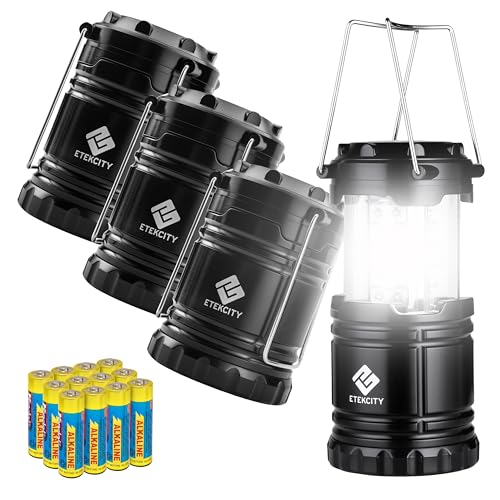
Battery-powered LED lanterns have become the most popular choice for modern campers. They offer excellent energy efficiency, long runtimes, and zero fuel concerns. A quality battery lantern can run for dozens of hours on a single set of batteries or a built-in rechargeable cell.
Within this category, you'll find entry-level models that provide basic illumination, mid-range options with adjustable brightness and emergency power banks, and premium lanterns featuring smartphone apps, SOS modes, and weatherproof construction. For most family campers, a mid-range battery lantern offers the best balance of performance and durability.
2. Gas Lanterns (Propane/Butane)
Traditional gas lanterns remain a favorite among campers who prioritize brightness and ambiance. These lanterns burn propane or butane, producing a warm, bright light that many find nostalgic and comforting. They're particularly effective in cold weather, as the burning fuel generates heat alongside light.
However, gas lanterns require fuel canisters, mantles, and proper ventilation. They're generally heavier and bulkier than their LED counterparts. Entry-level gas lanterns are straightforward to operate, while high-end models offer electronic ignition, adjustable brightness, and durable construction for serious outdoor use.
3. Electric Lanterns (Rechargeable)
Electric lanterns bridge the gap between convenience and performance. These rechargeable devices plug into USB ports, power banks, or wall outlets, eliminating the need for disposable batteries or fuel. Many modern electric lanterns double as power banks, allowing you to charge your phone in an emergency.
Premium electric lanterns often feature adjustable color temperatures, dimming capabilities, and rugged waterproof housings. They're ideal for campers who want a reliable, low-maintenance lighting solution that's also environmentally friendly.
4. Hurricane Lanterns (Oil/Kerosene)
The classic hurricane lantern has been a staple of outdoor lighting for over a century. These oil-burning lanterns use kerosene or lamp oil to produce a warm, steady flame protected by a glass globe. They're incredibly durable, simple to operate, and work in virtually any weather condition.
While not as bright as modern LED or gas alternatives, hurricane lanterns offer unmatched reliability and a timeless aesthetic. They're perfect for emergency preparedness and campers who appreciate traditional gear. Just be sure to follow campfire safety rules when using any open-flame device.
Lantern Light Comparison: Which Type Is Right for You?
Use this comparison table to quickly evaluate the key characteristics of each lantern type. Remember that the best choice depends on your specific camping style and priorities.
| Lantern Type | Brightness | Runtime | Best For | Quality Tiers |
|---|---|---|---|---|
| Battery (LED) | Moderate to High | Excellent | Family camping, emergencies | Entry-level to Premium |
| Gas (Propane) | Very High | Moderate | Group camping, cold weather | Budget-friendly to High-end |
| Electric (Rechargeable) | Moderate to High | Good | Tech-savvy campers, backpacking | Mid-tier to Luxury |
| Hurricane (Oil) | Low to Moderate | Very Good | Traditional camping, preparedness | Affordable to Mid-priced |
How to Choose the Perfect Lantern Light
Selecting the right lantern involves evaluating several factors. Consider these key points before making your purchase:
Brightness and Lumens
Lantern brightness is measured in lumens. For general campsite illumination, look for a lantern in the 200–600 lumen range. Entry-level models typically offer around 100–200 lumens, suitable for tent interiors or reading. Premium lanterns can exceed 1,000 lumens, perfect for lighting up large group areas.
Power Source and Runtime
Consider how you'll power your lantern. Battery-powered models offer convenience but require spare batteries or charging opportunities. Gas lanterns provide consistent brightness but need fuel canisters. Evaluate your trip length and access to power sources. For extended trips, a camping power bank or solar charger can keep your electric lantern running indefinitely.
Durability and Weather Resistance
Camping gear takes a beating. Look for lanterns with impact-resistant housings, waterproof ratings (IPX4 or higher), and sturdy bases. Premium lanterns often feature rubberized edges and reinforced construction that withstands drops and rough handling.
Size and Weight
For backpacking essentials, weight is critical. Compact, lightweight LED lanterns weighing under a pound are ideal. Car campers and family campers can prioritize brightness and features over portability. Consider a camping headlamp as a complement to your lantern for hands-free tasks.
Additional Features
Modern lanterns offer features like:
- Adjustable brightness and color temperature
- Built-in power banks for charging devices
- SOS and emergency flashing modes
- Collapsible designs for easy storage
- Remote controls and smartphone app integration
- Hanging hooks and magnetic bases
Lantern Lights for Every Camping Style
Your camping style should dictate your lantern choice. Here's how different campers approach lighting:
Family Camping
Families need bright, reliable lighting for cooking, playing games, and managing bedtime routines. A high-lumen LED lantern with a long runtime is ideal. Consider bringing two lanterns: one for the picnic table and one for the tent interior. Pair with a camping chair and camping table for a complete camp kitchen setup.
Solo and Backpacking
Weight-conscious campers should prioritize compact, lightweight lanterns. A small LED lantern weighing just a few ounces can provide ample light for one person. Many backpackers use a headlamp as their primary light source, with a tiny lantern for camp ambiance.
Winter Camping
Cold weather affects battery performance, so winter campers often prefer gas lanterns that generate heat or electric lanterns with lithium batteries rated for cold temperatures. Learn more in our winter camping gear guide. Always follow winter camping safety protocols when using any heat-generating device in a tent.
Emergency Preparedness
A reliable lantern is a cornerstone of any emergency preparedness kit. Battery or electric lanterns are safer for indoor use during power outages. Keep spare batteries and a communication device on hand for emergencies.
Lantern Safety: Essential Tips for Campers
Improper lantern use can lead to accidents. Follow these safety guidelines:
Ventilation Is Critical
Never use gas, propane, or oil lanterns inside a tent or enclosed space. These devices produce carbon monoxide, an odorless and potentially fatal gas. Always operate fuel-burning lanterns outdoors in well-ventilated areas.
Keep Away from Flammables
Maintain a safe distance between your lantern and tent walls, sleeping bags, and other flammable materials. Follow all campfire safety rules when using open-flame lanterns.
Use Stable Surfaces
Place lanterns on flat, stable surfaces to prevent tipping. Many modern lanterns feature weighted bases or hanging hooks for secure placement. Avoid hanging lanterns where they can be bumped or knocked over.
Check Local Regulations
Some campgrounds restrict open-flame devices during fire bans. Always check campfire regulations and fire ban guides before your trip. Battery and electric lanterns are typically permitted even during restrictions.
Prepare for Emergencies
Know what to do if lost and carry an emergency kit appropriate for your trip. A reliable lantern is an essential part of any emergency plan.
Lantern Maintenance: Keep Your Light Shining
Proper maintenance extends the life of your lantern and ensures reliable performance when you need it most.
- Clean regularly: Wipe down the exterior and glass with a soft cloth. Remove dust and debris from vents and openings.
- Store properly: Remove batteries from battery-powered lanterns during extended storage. Store gas lanterns in a dry, well-ventilated area.
- Inspect seals and mantles: Check gas lantern seals for cracks and replace mantles as needed. A damaged mantle can cause uneven burning.
- Charge batteries: For rechargeable lanterns, maintain a partial charge during storage and fully charge before trips.
- Test before trips: Always test your lantern before leaving home. There's nothing worse than discovering a dead battery or empty fuel canister at the campsite.
Frequently Asked Questions About Lantern Lights
Are LED lanterns better than gas lanterns?
It depends on your needs. LED lanterns are safer, more energy-efficient, and easier to use. Gas lanterns are brighter and provide warmth, making them ideal for cold-weather camping. Many campers own both types for different situations.
How many lumens do I need for camping?
For general campsite use, 200–600 lumens is sufficient. Tent interiors need less (100–200 lumens), while large group areas may benefit from 1,000+ lumens. Adjustable brightness settings let you adapt to different needs.
Can I use a lantern inside my tent?
Only battery or electric lanterns specifically rated for indoor use. Never use gas, propane, or oil lanterns inside a tent due to carbon monoxide risks. Always follow the manufacturer's instructions.
How long do lantern batteries last?
Runtime varies widely based on brightness settings and battery type. Entry-level LED lanterns may run 10–20 hours on high, while premium models can exceed 100 hours on low settings. Rechargeable lanterns typically run 4–12 hours per charge.
What's the best lantern for emergency preparedness?
A battery-powered or rechargeable LED lantern with multiple brightness settings and an emergency flashing mode is ideal. Look for models that double as power banks for charging phones. Keep spare batteries on hand.
Ready to Light Up Your Campsite?
Explore our recommended lantern lights below and find the perfect match for your outdoor adventures.
VIEW RECOMMENDED LANTERNSFor more outdoor gear guides, explore our resources on camping technology, best camping gadgets, and camping destinations. Planning a trip? Check our camping checklists and camping FAQ for comprehensive preparation tips.