
Dispersed Camping Near Maroon Bells: A Complete Guide
Everything you need to know about free, primitive camping in the Maroon Bells Wilderness area, including regulations, gear, and how to prepare for a true Colorado adventure.
START PLANNINGQuick Planning Tip: Dispersed camping near Maroon Bells offers a free, primitive alternative to crowded campgrounds, but it requires a higher level of preparedness. This guide will walk you through the rules, the gear you’ll need, and the local ethics so you can camp responsibly and comfortably.
Why Dispersed Camping Near Maroon Bells?
The Maroon Bells are among the most photographed peaks in North America, drawing thousands of visitors to the White River National Forest near Aspen, Colorado. While the Maroon Lake Scenic Area itself has strict regulations and limited camping, the surrounding national forest offers a different kind of experience: dispersed camping.
Dispersed camping—also known as primitive or wild camping—allows you to camp outside established campgrounds on public lands. It is free, offers solitude, and puts you closer to the wilderness. However, it also means no amenities, no reservations, and a strict responsibility to leave no trace. If you are comfortable with a self-sufficient setup, dispersed camping near Maroon Bells can be one of the most rewarding ways to experience the Colorado Rockies.
Key Regulations for Dispersed Camping in the Maroon Bells Area
Before you drive into the forest, you must understand the specific rules that govern this sensitive alpine environment. The Maroon Bells-Snowmass Wilderness has special restrictions designed to protect the fragile ecosystem.
- Designated Sites: In some parts of the wilderness, you must camp only in designated sites. Check with the Aspen-Sopris Ranger District for the most current map and regulations.
- Distance from Water: Camp at least 100 feet from lakes, streams, and trails.
- Stay Limits: In most of the White River National Forest, the stay limit is 14 days in a 30-day period. However, some areas around Maroon Bells have stricter limits (e.g., 5 days).
- No Fires: In certain high-use areas, campfires are completely prohibited. Even where allowed, use a campfire safety mindset and always check the current fire ban guide.
- Human Waste: Pack it out. In the alpine environment, catholes are not effective. Bring a WAG bag or a portable outdoor toilet for camping.
- Bear Safety: This is black bear country. Store all food and scented items in a bear canister or hang them properly. Learn more about bear spray vs gun and proper food storage rules.
Where Can You Dispersed Camp Near Maroon Bells?
The most popular areas for dispersed camping near Maroon Bells are along the Forest Service roads that branch off from Highway 82, particularly near the Maroon Creek Road area (before the restricted zone) and further up in the surrounding valleys like Lincoln Creek and the Crystal River Valley.
It's important to note that the immediate area around Maroon Lake is heavily restricted. You cannot simply pull over and camp. You must drive further into the national forest and look for existing, hardened campsites. If a site already exists, use it—don't create new ones. For a broader perspective on rules, see our guide to dispersed camping in national parks and BLM camping rules.
Gear and Preparation for Dispersed Camping Near Maroon Bells
Dispersed camping near Maroon Bells means you are on your own. You need a reliable, self-contained kit. The alpine weather can change rapidly, even in summer. Afternoon thunderstorms are common, and nighttime temperatures can drop near freezing.
Shelter and Sleep System
Your tent must be able to handle wind, rain, and potential cold. A three-season tent is the minimum; a four-season or a sturdy, low-profile model is better. Look for a lightest freestanding 1-person tent if you're solo, or a lightweight family backpacking tent for groups. For warmth, a top-rated lightweight sleeping bag rated for at least 20°F is a good starting point. Pair it with a self-inflating backpacking mattress or a ultralight backpacking sleeping pad for insulation from the cold ground. For maximum comfort, consider a memory foam self-inflating mattress, but be aware of the weight.
Camp Kitchen
Since campfires may be banned, you need a reliable stove. An outdoor single burner propane stove is compact and efficient for solo trips, while an outdoor double burner propane stove is better for families. Bring ultralight backpacking cooking gear and easy non-refrigerated camping meals. If you prefer fresh food, use a small insulated backpack cooler bag for short trips. Also, bring a potable water container for camping and a water filter, as you should not rely on natural water sources without treatment.
Comfort and Furniture
After a long hike, a comfortable place to sit is essential. Look for a high-back lightweight camping chair or a most comfortable backpacking pillow for sleeping. If you plan on car camping near a trailhead, a heavy-duty reclining camping chair can be a great luxury, but for backpacking, prioritize a lightest camp chair for backpacking.
Safety and Navigation
Always carry a camping first aid kit and know common camping injuries. The weather can change fast; check a weather app for camping before you go. In an emergency, a satellite communicator or a two-way radio for camping can be a lifesaver. Learn emergency SOS signals before you head out. For navigation, a best handheld GPS is more reliable than a phone. Also, always follow Leave No Trace principles.
Recommended Gear for Dispersed Camping Near Maroon Bells
⚠️ AFFILIATE DISCLOSURE: This website contains affiliate links. As an Amazon Associate, we earn from qualifying purchases. If you make a purchase through these links, we may receive a small commission at no additional cost to you. Read our full affiliate policy.
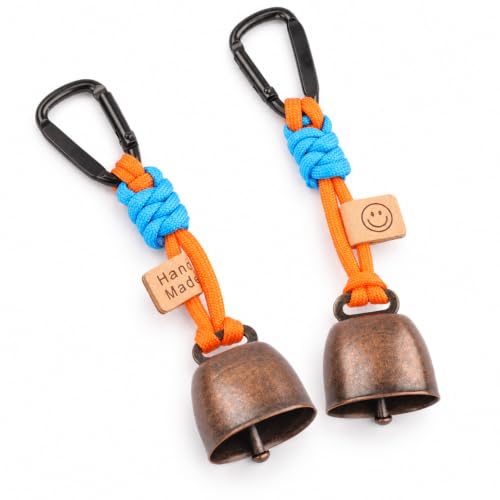
2 Pack Bear Bells with Handwoven Rope for Hiking Camping - Outdoor Safety Alert Bell to Deter Bears, Wildlife Warning铃 for Backpacking, Trekking in Bear Country, Great Gift for Hikers

Frienda 5 Sets Bear Bells for Hiking Camping with Emergency Bear Whistles

Toys+ Cowbell with Handle Various Sizes and Colors (Maroon, 11")

Cast Iron Bear Bells 4 Pack Loud Hiking Cowbell with Carabiner for Camping Backpacking Outdoor

Aspen Area Hiking Map Pack: Maroon Bells-Snowmass, Hunter-Fryingpan, Mt Massive, Collegiate Peaks
Disclaimer
Outdoor activities involve inherent risks. The information provided on CampLifeEssentials is for educational purposes only. We are not responsible for any injuries, losses, or damages resulting from the use of this information. Some content may use AI assistance. Always practice Leave No Trace principles and verify local regulations before camping. If you do not agree, please do not use this website. Read the full disclaimer.
Frequently Asked Questions
Is dispersed camping near Maroon Bells free?
Yes, dispersed camping on White River National Forest land is typically free. However, you may need a permit for certain wilderness areas or for overnight parking at specific trailheads. Always check with the Aspen-Sopris Ranger District for current regulations.
Can I have a campfire when dispersed camping near Maroon Bells?
It depends on the time of year and current fire restrictions. In many of the high-use areas around Maroon Bells, campfires are permanently prohibited. Even when allowed, use a camp stove. Always check the current fire ban before your trip.
Do I need a permit for dispersed camping near Maroon Bells?
For the Maroon Bells-Snowmass Wilderness, a free self-issued permit is required at the trailhead for overnight trips. For dispersed camping on general national forest land outside the wilderness boundary, a permit is not typically required, but you must follow the 14-day stay limit. Check with the ranger district for the most up-to-date info.
What is the best time of year for dispersed camping near Maroon Bells?
The best time is from late June through September. Snow can linger into June at higher elevations, and early fall snowstorms are possible in September. July and August offer the warmest weather but also afternoon thunderstorms. Be prepared for any condition. For more on cold-weather preparedness, see our cold weather camping gear checklist.
How do I find a dispersed campsite near Maroon Bells?
Drive along Forest Service roads (like Lincoln Creek Road or the roads in the Crystal River Valley) and look for existing clearings that have a fire ring and show signs of previous use. Do not create new sites. Arrive early on weekends, as sites fill up quickly. For more general tips, see our guide on finding a campground near you.
For more information on planning your trip, explore our guides on camping destinations, Colorado camping, and Rocky Mountain National Park camping. If you're new to this style of camping, our first time camping tips and camping essentials for first-timers are great resources. For those looking to lighten their load, see our essential equipment for backpacking and ultralight backpacking cooking gear.