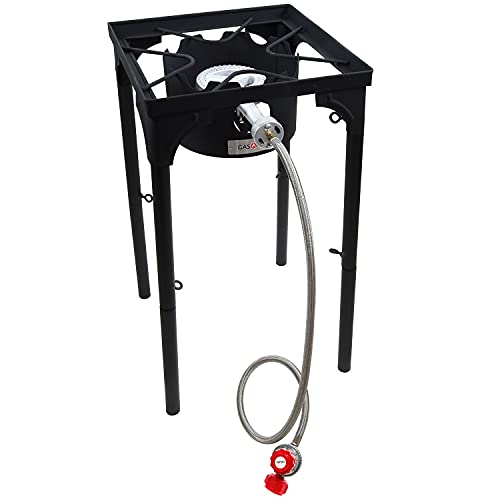
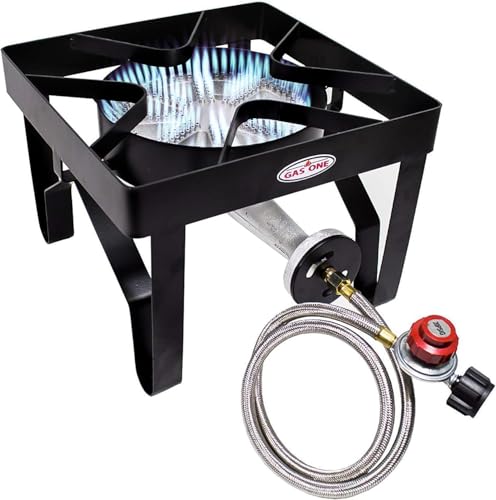
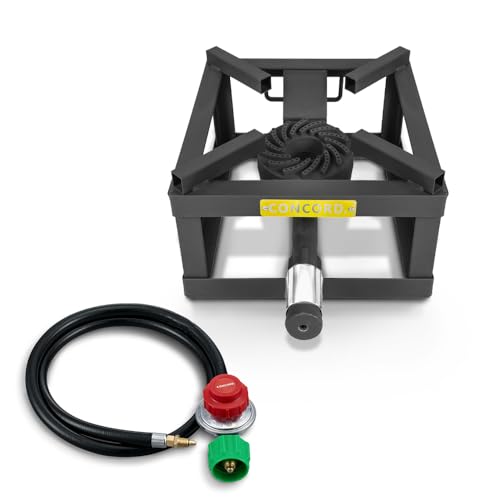
Outdoor Single Burner Propane Stove: The Ultimate Buyer's Guide
Everything you need to know before choosing a portable single burner propane stove for camping, backpacking, tailgating, or emergency preparedness. Compare performance, efficiency, and safety features to find your perfect match.
See Top RecommendationsWhy a Single Burner Propane Stove? Whether you're a solo backpacker, a car camper, or preparing an emergency kit, a single burner propane stove offers the perfect balance of portability, power, and simplicity. Unlike bulky multi-burner models, these compact stoves are easy to pack, quick to set up, and deliver reliable heat for boiling water, cooking meals, and even keeping warm in a pinch. This guide will walk you through everything you need to know to make an informed decision.
What to Look for in a Single Burner Propane Stove
Not all single burner stoves are created equal. The right choice depends on how you plan to use it. Here are the key factors to consider:
1. BTU Output and Boil Time
BTU (British Thermal Units) measures the stove's heating power. Higher BTU means faster boiling, which is crucial for quick meals and cold weather. Entry-level stoves typically offer around 8,000–10,000 BTU, while high-end models can exceed 12,000 BTU. For backpacking, a lower BTU stove that sips fuel may be preferable. For car camping or emergency use, prioritize higher output. Always check the manufacturer's stated boil time—a good benchmark is boiling one liter of water in under 3 minutes.
2. Fuel Efficiency and Canister Compatibility
Most outdoor single burner propane stoves use standard 1 lb propane canisters or larger refillable tanks with an adapter. Some models are designed for isobutane/propane mix canisters, which perform better in cold weather. Consider how easily you can source fuel in your area. If you plan to camp in remote locations, a stove that accepts multiple fuel types offers greater flexibility. For winter trips, check out our guide on cold weather camping gear to ensure your stove performs when temperatures drop.
3. Build Quality and Durability
The stove's body, burner head, and pot supports should be made from corrosion-resistant materials like stainless steel or aluminum. Brass burners are durable but heavier. Look for models with sturdy, foldable pot supports that can handle a heavy cast iron skillet without wobbling. A wind baffle or integrated windscreen is a major plus, as wind can dramatically reduce efficiency. For those who enjoy serious cooking, pairing your stove with cast iron outdoor cooking equipment can elevate your camp cuisine.
4. Ignition and Control
Push-button piezo ignition is convenient but can fail over time. Manual ignition with a lighter or match is more reliable but less convenient. A precise flame control knob is essential for simmering. Cheaper stoves often have poor low-flame control, making it hard to cook anything beyond boiling water. Mid-range and premium models typically offer finer adjustment.
5. Weight and Portability
If you're backpacking, every ounce counts. Ultralight single burner stoves can weigh as little as 2–3 ounces, while more robust car-camping models can weigh over 1 lb. Consider the packed size and whether it fits inside your cookware. For backpacking adventures, a lightweight stove is just one piece of the puzzle—check our essential equipment for backpacking guide to build a complete kit.
Types of Single Burner Propane Stoves
Single burner stoves generally fall into three categories, each with distinct advantages:
| Type | Best For | Typical BTU Range | Weight | Tier |
|---|---|---|---|---|
| Backpacking Canister Stove | Ultralight backpacking, solo trips | 6,000–10,000 | 2–4 oz | Premium (Ultralight) |
| Car Camping Stove | Family camping, car camping, tailgating | 10,000–15,000+ | 1–3 lbs | Mid-Range to Premium |
| Emergency/Backup Stove | Emergency kits, power outages, survival | 8,000–12,000 | 8 oz–1 lb | Entry-Level to Mid-Range |
For car campers who want the flexibility of a single powerful burner, a dedicated car camping stove is ideal. If you're looking for a larger cooking surface, you might also consider an outdoor double burner propane stove for preparing bigger meals.
Performance and Efficiency: What Really Matters
When evaluating a stove, raw BTU isn't the whole story. Efficiency—how well the stove transfers heat to your pot—determines real-world performance. A stove with a focused flame and a good windscreen can outperform a higher-BTU stove that loses heat to the wind.
Boil Time and Fuel Consumption
Manufacturers often advertise boil times under ideal conditions. In reality, wind, altitude, and pot material affect performance. A stove that boils water quickly but consumes a full canister in the process may not be ideal for multi-day trips. Look for user reviews that mention fuel efficiency over multiple trips. For extended adventures, carrying a potable water container for camping and a reliable stove ensures you stay hydrated and fed.
Wind Resistance
Wind is the enemy of any camp stove. Many single burner stoves come with a foldable windscreen, but aftermarket windscreens are also available. A good windscreen can reduce boil time by 50% or more in windy conditions. If you often camp in exposed areas, prioritize a stove with an integrated windscreen or purchase one separately.
Simmer Control
Precise simmer control separates a good stove from a great one. If you enjoy cooking real meals—not just boiling water—look for a stove with a fine-tuned valve that allows a low, steady flame. Entry-level stoves often have a narrow band between "off" and "full blast," making simmering difficult. Mid-range and premium stoves usually offer better modulation.
Safety Considerations for Propane Stoves
Propane is a safe and convenient fuel when handled properly. However, negligence can lead to accidents. Always follow these safety guidelines:
✅ Safe Practices
- Always use stoves outdoors in well-ventilated areas.
- Check connections for leaks using soapy water before lighting.
- Keep flammable materials away from the burner.
- Never leave a lit stove unattended.
- Allow the stove to cool completely before packing.
- Store propane canisters upright in a cool, dry place.
⚠️ Common Mistakes
- Using a stove inside a tent or enclosed space (carbon monoxide risk).
- Over-tightening connections, which can damage seals.
- Using a stove with a damaged or bent burner head.
- Placing a stove on an unstable surface.
- Ignoring local fire bans and regulations.
- Forgetting to pack a fire extinguisher or water for emergencies.
For a comprehensive approach to campfire and stove safety, review our campfire safety rules and how to extinguish a campfire guides. Being prepared with a camping first aid kit is also essential.
Top Use Cases for a Single Burner Propane Stove
Solo and Backpacking Adventures
For solo backpackers, weight is the primary concern. An ultralight canister stove paired with a titanium pot is a classic setup. These stoves are incredibly compact and efficient for boiling water and rehydrating meals. If you're a backpacker, you might also be interested in backpacking food from the grocery store to keep your pack light and your meals delicious.
Car Camping and Family Trips
Car campers can afford a heavier, more powerful stove. A single burner stove with a high BTU output can quickly boil large pots of water for pasta or coffee. Many car campers pair a single burner with a portable camping table with storage to create a functional outdoor kitchen. For families, a single powerful burner supplemented by a portable commercial propane griddle can handle breakfast for a crowd.
Emergency Preparedness
During power outages or natural disasters, a single burner propane stove is a lifeline. It allows you to boil water, cook food, and stay warm. Store your stove with extra fuel canisters and a emergency preparedness camping kit. Ensure you have a way to communicate—see our guide on camping communication devices for options.
Tailgating and Picnics
A single burner stove is perfect for tailgating, picnics, and outdoor parties. It's compact enough to transport easily and powerful enough to cook burgers, boil corn, or make a fresh pot of chili. Pair it with a portable picnic table with umbrella for a comfortable outdoor dining experience.
Maintenance and Care
Proper maintenance extends the life of your stove and ensures safe operation. After each trip, wipe down the stove with a damp cloth. Check the burner head for debris or spider webs—a common cause of clogged burners. Inspect the O-rings and seals on the regulator and canister connection. If they appear cracked or worn, replace them. Store your stove in a dry, dust-free environment. For long-term storage, remove the fuel canister and store it separately in a cool, well-ventilated area.
If your stove uses a piezo igniter, test it before each trip. If it fails, carry a backup lighter or matches. Regularly check that all screws and connections are tight. A well-maintained stove can last for many years, providing reliable service on countless adventures.
Frequently Asked Questions
Can I use a single burner propane stove indoors?
No. Propane stoves produce carbon monoxide, an odorless and deadly gas. Always use your stove outdoors in a well-ventilated area. Never use it inside a tent, camper, or home.
How long does a 1 lb propane canister last?
On a typical single burner stove set to high, a 1 lb canister lasts about 1–2 hours. On a lower simmer setting, it can last significantly longer. For multi-day trips, calculate your usage and bring spare canisters.
Can I use a single burner stove in cold weather?
Yes, but performance drops as temperatures fall. Propane struggles below freezing. Isobutane/propane mixes perform better in cold. Keep your canister warm by sleeping with it or using a canister warmer. For more tips, see our winter camping gear guide.
What's the difference between a single burner and a double burner stove?
A single burner stove is lighter and more compact, ideal for solo or minimalist camping. A double burner allows you to cook multiple dishes simultaneously, which is great for family camping. Check out our guide on outdoor double burner propane stove for more details.
Are single burner stoves allowed in national parks?
Regulations vary by park. In many national parks, propane stoves are allowed in designated campgrounds but may be restricted in backcountry areas during fire bans. Always check with the park authority and follow national park rules.
Final Thoughts
An outdoor single burner propane stove is one of the most versatile pieces of gear you can own. It serves backpackers, car campers, emergency preppers, and tailgaters alike. By understanding BTU output, fuel efficiency, build quality, and safety features, you can choose a stove that fits your needs perfectly. Remember to consider your primary use case—ultralight backpacking demands a different stove than family car camping. Whichever you choose, a reliable stove opens up a world of outdoor cooking possibilities.
Before you head out, make sure you have all the camping essentials for first-timers and review the Leave No Trace principles to minimize your impact on nature.
Ready to Find Your Perfect Stove?
Browse our top recommended single burner propane stoves below, hand-picked for performance and reliability.
View Recommendations