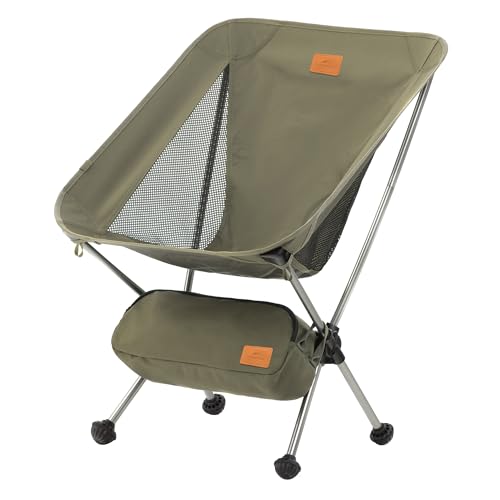
Lightest Camp Chair for Backpacking: The Ultimate Ultralight Guide
When every ounce counts, choosing the right chair can make or break your backpacking experience. We analyze the lightest options on the market to help you find the perfect balance of weight, comfort, and durability.
Why Carry a Chair Backpacking?
For many backpackers, the idea of adding a chair to their pack seems counterintuitive. After all, the goal is to carry less, not more. However, the lightest camp chair for backpacking has evolved dramatically in recent years. Modern ultralight chairs weigh as little as a water bottle, yet provide a comfortable place to sit after a long day on the trail.
The benefits extend beyond mere comfort. Sitting on the ground or a log can be uncomfortable, especially if you have back issues or have been hiking for hours. A proper chair supports your posture, keeps you off cold or wet ground, and provides a dedicated space to relax, eat, and socialize. For many, the psychological boost of having a comfortable seat is worth the minimal weight penalty.
When selecting a chair for backpacking, you'll want to consider several factors. Weight is paramount, but so is packed size, setup complexity, and durability. A chair that's incredibly light but prone to breaking isn't a good investment. Similarly, a chair that takes ten minutes to assemble will quickly become a source of frustration. This guide will walk you through the key considerations and help you understand the different types of ultralight chairs available.
Before you even start looking at chairs, it's wise to ensure the rest of your gear is dialed in. If you're new to backpacking, check out our essential equipment for backpacking guide. For those camping in cooler conditions, a cold weather camping gear checklist can help you stay warm and safe.
Types of Ultralight Backpacking Chairs
Not all ultralight chairs are created equal. They generally fall into a few distinct categories, each with its own trade-offs.
1. Frame-Based Chairs
These chairs use a lightweight aluminum or carbon fiber frame that assembles like a puzzle. The frame supports a fabric seat, typically made from ripstop nylon or polyester. They offer the best combination of comfort and weight, often weighing between 1 and 2 pounds. The trade-off is that they can be more complex to assemble and may be less stable on uneven ground. However, for many backpackers, a frame-based chair is the gold standard. You can find models that are essentially the lightest camp chair for backpacking available.
2. Stool-Style Chairs
These are simpler than frame chairs and typically consist of a tripod or four-legged base with a small seat. They are very lightweight, often under a pound, and quick to set up. However, they lack back support, which can be a dealbreaker for some. If you're looking for something with back support, a folding camping stool with backrest might be a good compromise, though it may be slightly heavier.
3. Inflatable Chairs
These chairs use air chambers for support. They can be incredibly light and pack down very small. However, they are susceptible to punctures and can be less stable than frame chairs. They also require inflation, which takes time and breath. While not as popular for pure backpacking, they can be a good option for those who prioritize packability above all else.
4. Hybrid Designs
Some chairs combine elements of the above. For example, a chair might use a partial frame with an inflatable seat. These can offer a good balance but are less common.
When choosing, think about your priorities. If you need back support, a frame-based chair is likely your best bet. If you're counting every gram, a stool or inflatable might be more appropriate. If you're looking for a chair that can also be used for car camping, a lightweight camping chair with arms might be more comfortable, though heavier.
Key Features to Evaluate
When comparing ultralight chairs, keep these factors in mind:
- Weight: This is the most obvious factor. Every ounce counts. Look for chairs under 2 pounds, and ideally under 1.5 pounds for serious ultralight backpacking.
- Packed Size: A chair that packs down to the size of a water bottle is ideal. Consider how it will fit in or on your pack. A camping backpack with water bladder can help you stay hydrated, but you'll need space for your chair too.
- Weight Capacity: Don't sacrifice safety for weight. Ensure the chair is rated for your weight. Most ultralight chairs support 250 pounds or more, but check the specs.
- Seat Height: Lower seats are generally lighter and more stable, but can be harder to get out of. Higher seats are more comfortable but add weight. A high back lightweight camping chair offers more support but is typically heavier.
- Setup: How easy is it to assemble? Some chairs use shock-corded poles that snap together, while others require threading poles through sleeves. Practice setting it up before your trip.
- Durability: Look for robust materials. Ripstop nylon and aluminum alloys are common. A chair with a warranty is a plus.
- Comfort: Ultimately, comfort is subjective. A chair that feels great for one person might be uncomfortable for another. Read reviews and, if possible, try before you buy.
For those who prioritize comfort above all else, you might consider a most comfortable folding lawn chair, but be aware that these are generally too heavy for backpacking. The goal is to find the sweet spot between comfort and portability.
Comparing Ultralight Chair Tiers
To help you understand the market, here's a breakdown of typical characteristics across different quality tiers. Remember, these are generalizations and specific products may vary.
| Tier | Typical Weight | Materials | Comfort Level | Best For |
|---|---|---|---|---|
| Entry-Level | 1.5 - 2.5 lbs | Standard aluminum, basic nylon | Basic | Beginners, casual backpackers |
| Mid-Range | 1 - 1.5 lbs | 7075 aluminum, ripstop nylon | Good | Weekend warriors, weight-conscious hikers |
| Premium | 0.5 - 1 lb | Carbon fiber, high-tenacity fabrics | Excellent | Ultralight enthusiasts, thru-hikers |
| Luxury | 1 - 2 lbs | Premium alloys, luxurious fabrics | Superior | Comfort-focused backpackers, glampers |
As you move up in tier, you generally pay more for less weight and better materials. However, the law of diminishing returns applies. A premium chair might be half the weight of a mid-range chair but may cost significantly more. For many, the mid-range offers the best value. If you're looking for a chair that can double as a comfortable seat for car camping, a heavy-duty reclining camping chair might be a better fit, but it's not for backpacking.
What to Look for in the Lightest Camp Chair
When you're searching for the lightest camp chair for backpacking, you'll encounter a few common designs. Here's what makes them stand out:
Frame Chairs with Shock-Corded Poles
These are the most popular for backpacking. They offer a good balance of weight, comfort, and packability. Look for models with DAC or similar high-quality aluminum poles. The seat should be made from a durable fabric like ripstop nylon. Some models, like the high-quality folding camping chairs, are designed to be both lightweight and comfortable.
Low-Profile Stools
If you don't need back support, a low stool can be incredibly light. They are perfect for minimalists. However, they can be less comfortable for extended sitting. If you want a bit more comfort, a folding camping stool with backrest adds a small amount of weight but greatly improves support.
Chairs with Backpack Straps
Some chairs are designed to be carried separately from your main pack. They come with their own straps and can be worn like a small backpack. This can be convenient for short hikes or for keeping your chair accessible. Check out camping chairs with backpack straps for this feature.
For those who want a chair that can be used for both backpacking and car camping, consider a high back lightweight camping chair. It's a bit heavier but offers more comfort. If you're looking for something without arms to save weight, a folding camping chair without arms is a good option.
Frequently Asked Questions
How much does the lightest camp chair weigh?
The absolute lightest chairs on the market can weigh as little as 0.5 to 1 pound. These are typically premium models made with carbon fiber or advanced alloys. However, most ultralight backpacking chairs fall in the 1 to 2-pound range.
Are ultralight chairs comfortable?
Comfort is subjective. While they may not match the plushness of a heavy car-camping chair, many ultralight chairs are surprisingly comfortable. Look for models with a slight recline and good back support. A most comfortable folding lawn chair is not suitable for backpacking, but it shows that comfort can be achieved with different designs.
Can I use a ultralight chair for car camping?
Absolutely. Many people use their ultralight chairs for car camping as well. They are compact and easy to store. However, if comfort is your primary concern for car camping, you might prefer a larger, heavier chair. A outdoor folding chair with cushion offers more luxury.
What is the best material for an ultralight chair?
Aluminum alloys (like 7075) are common for frames due to their strength-to-weight ratio. Carbon fiber is lighter but more expensive. For the seat, ripstop nylon and polyester are popular for their durability and light weight.
How do I choose the right size chair?
Consider your height and weight. Most chairs have a weight limit. For taller individuals, look for chairs with a higher back. For those with wider hips, check the seat width. Reading reviews from other backpackers of similar size can be very helpful.
Final Thoughts
Investing in the lightest camp chair for backpacking can significantly enhance your outdoor experience. It provides a comfortable place to rest, helps you stay off the cold ground, and can make camp feel more like home. By understanding the different types, key features, and trade-offs, you can make an informed decision that balances weight, comfort, and durability.
Remember, the best chair is the one that works for you. Whether you choose a minimalist stool or a full-frame chair, the goal is to get out there and enjoy nature. For more tips on getting started, explore our camping essentials for first-timers. And always practice Leave No Trace principles to protect the places you love.