
Small Insulated Backpack Cooler Bag: The Ultimate Buyer's Guide
Everything you need to know before choosing a compact cooler backpack — capacity, insulation, comfort, and real-world performance for camping, hiking, and day trips.
SEE TOP PICKSWhy a small insulated backpack cooler bag? It combines hands-free portability with reliable cold retention. Whether you're packing lunch for a day hike or keeping drinks cold at a campsite, a well-chosen cooler backpack keeps your food and beverages safe without the bulk of a traditional hard cooler.
What Makes a Great Small Insulated Backpack Cooler Bag?
Not all cooler backpacks are built the same. When you're researching a small insulated backpack cooler bag, you're balancing three core factors: insulation performance, carrying comfort, and usable capacity. A bag that excels in one area often compromises another, so understanding your priorities is key.
Insulation quality is the most critical factor. Look for bags with thick, closed-cell foam or multiple layers of insulation. A leak-proof, welded liner or a PEVA (polyethylene vinyl acetate) interior makes cleaning easier and prevents leaks. Some premium models use vacuum-sealed panels or reflective barriers to extend ice retention. For a deeper dive into cold-weather performance, see our cold weather camping gear checklist.
Capacity in a small cooler backpack usually ranges from 10 to 25 liters. Entry-level bags often hold 6–12 cans, while mid-range and premium options can carry 18–24 cans plus ice. Consider how many people you're packing for and whether you need room for food containers, not just drinks.
Comfort and ergonomics matter because you'll be carrying this bag on your back. Padded shoulder straps, a ventilated back panel, and adjustable sternum straps make a huge difference on longer walks. If you plan to carry other gear too, look for a bag with a camping backpack with water bladder compatibility or external attachment points.
Insulation & Ice Retention: What to Expect
Insulation performance is typically measured in hours of ice retention. A small insulated backpack cooler bag generally falls into these tiers:
- Entry-level: 6–12 hours of cold retention. Best for short outings, commuting, or picnics where you'll consume everything within a few hours.
- Mid-range: 12–24 hours. Suitable for full-day hikes, beach trips, or overnight camping if you pre-chill the bag and use quality ice packs.
- Premium: 24–48+ hours. These bags often use high-density foam, reflective liners, and airtight zippers. Ideal for multi-day excursions or hot climates.
To maximize performance, always pre-chill your cooler bag and use high-quality ice packs or block ice rather than cubed ice. For camping trips where refrigeration is limited, pair your cooler bag with easy non-refrigerated camping meals to reduce the need for constant cooling.
Capacity & Size: Finding the Right Fit
Small cooler backpacks are measured in liters, but can-count is often more practical. Here's a quick reference:
- 10–15 liters: Holds 6–12 cans plus a small ice pack. Great for solo day trips or short hikes.
- 16–20 liters: Holds 12–18 cans plus ice and snacks. Ideal for couples or small families on day outings.
- 21–25 liters: Holds 18–24 cans plus food. Best for full-day family trips or group hikes.
Remember that insulation takes up space. A 20-liter cooler backpack may have less usable interior room than a standard 20-liter daypack. If you need to carry extra clothing or gear, consider a bag with a separate dry compartment or external mesh pockets.
For those who want a compact tent to pair with their cooler bag, check out our guide to the lightest freestanding 1-person tent.
Comfort & Carry Features to Prioritize
A cooler backpack loaded with drinks and ice can get heavy quickly. Comfort features are not optional — they're essential. Look for:
- Padded shoulder straps: Wide, breathable straps distribute weight evenly.
- Ventilated back panel: Prevents sweat buildup during long carries.
- Sternum strap: Keeps the bag stable and reduces shoulder strain.
- Waist belt: Transfers weight to your hips — a game-changer for heavier loads.
- Multiple grab handles: Useful when lifting the bag in and out of vehicles or tents.
If you often carry a chair or other bulky gear, a high-back lightweight camping chair with backpack straps can complement your cooler bag setup nicely.
Materials & Durability: Built to Last
The outer shell of a quality cooler backpack is usually made from heavy-duty polyester or nylon with a water-resistant coating. Look for reinforced stitching at stress points, durable zippers (YKK or equivalent), and a leak-proof inner liner.
Entry-level bags may use thinner fabrics and basic zippers — fine for occasional use. Mid-range bags step up to water-resistant fabrics and better hardware. Premium models often feature tarpaulin or ripstop materials, welded seams, and waterproof zippers for maximum durability in harsh conditions.
If you're planning trips that involve rugged terrain, consider pairing your cooler bag with other durable gear like a camping backpack with water bladder for hydration on the go.
Best Uses for a Small Insulated Backpack Cooler Bag
These bags shine in a variety of outdoor scenarios:
- Day hikes & nature walks: Keep drinks cold and snacks fresh without carrying a bulky cooler.
- Camping trips: Supplement your main cooler with a backpack cooler for drinks or perishables you want close at hand.
- Beach & lake days: Hands-free carrying means you can also manage chairs, towels, and umbrellas.
- Picnics & festivals: Compact enough for crowds, yet spacious enough for a full meal.
- Fishing & hunting: Keep bait or catch cool while keeping your hands free.
For beach camping specifically, check out our beach camping guide for tips on gear and setup.
Quick Checklist: Choosing Your Cooler Backpack
- ✅ Insulation: At least 12 hours retention for full-day use.
- ✅ Capacity: Match to group size and trip length.
- ✅ Comfort: Padded straps, back panel, and waist belt if carrying heavy.
- ✅ Durability: Water-resistant shell, reinforced seams, quality zippers.
- ✅ Leak-proof liner: Easy to clean and prevents messes.
- ✅ Extra pockets: For dry snacks, keys, or small gear.
For a complete camping setup, don't miss our camping essentials for first-timers.
Maintenance Tips for Longevity
To keep your small insulated backpack cooler bag performing well for years:
- Empty and dry the bag thoroughly after every use — moisture leads to mold and odors.
- Clean the interior with mild soap and warm water. Avoid harsh chemicals.
- Store with the lid open to allow air circulation.
- Check zippers and seams regularly for wear.
- Use a separate liner or reusable bags for messy foods.
Proper care extends the life of your gear and ensures your food stays safe on every adventure. For more outdoor preparedness, see our wilderness first aid guide.
Recommended Small Insulated Backpack Cooler Bags
⚠️ AFFILIATE DISCLOSURE: This website contains affiliate links. As an Amazon Associate, we earn from qualifying purchases. If you make a purchase through these links, we may receive a small commission at no additional cost to you. Read our full affiliate policy.

Backpack Cooler Insulated Leakproof, Soft Cooler Backpack for Beach Gray

Tenot Cooler Backpack 33/40 Cans Soft Insulated Backpack Coolers Black
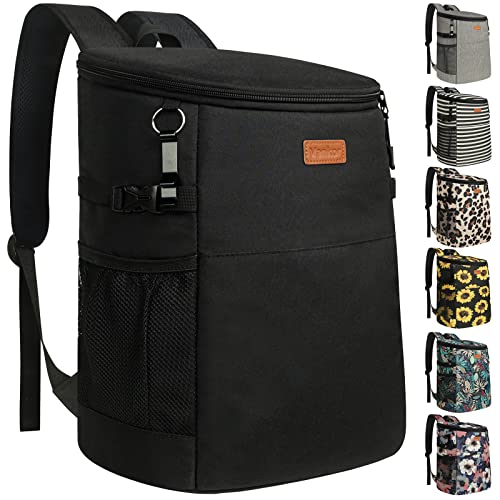
Vankor Camping Cooler Backpack Insulated Waterproof

Fit & Fresh Mari Insulated Soft Backpack Cooler Tote, 12-Can Capacity

MIYCOO Cooler Backpack for Men Women, 2 Leak Proof Compartments, 40 Cans

MIER Insulated Backpack Cooler Small Lunch Bookbag for Women Men, Black

TOURIT 30 Cans Insulated Double Deck Lunch Cooler Backpack, Black

Cooler Backpack Insulated Leakproof Soft Cooler Bag Ice Chest for Women
Disclaimer
Outdoor activities involve inherent risks. The information provided on CampLifeEssentials is for educational purposes only. We are not responsible for any injuries, losses, or damages resulting from the use of this information. Some content may use AI assistance. Always practice Leave No Trace principles and verify local regulations before camping. If you do not agree, please do not use this website. Read the full disclaimer.