Easy Non-Refrigerated Camping Meals: A Complete Guide
Learn how to plan, pack, and prepare delicious, shelf-stable meals for any outdoor adventure, no cooler required.
START PLANNINGThe Freedom of Shelf-Stable Food: One of the biggest challenges of camping is managing food without a refrigerator. Whether you're on a multi-day hike, a canoe trip, or simply want to simplify your car camping setup, mastering non-refrigerated meals opens up a world of possibilities. This guide will walk you through the essentials of meal planning, food safety, and provide a wealth of delicious ideas to fuel your adventures.
Why Choose Non-Refrigerated Meals?
Opting for shelf-stable foods isn't just a necessity for some trips; it's a strategic choice that offers numerous benefits for campers of all types. For backpackers and canoeists, eliminating the weight and bulk of a cooler is a game-changer. For car campers, it means more space for other gear and less worry about ice melting. For those practicing dispersed camping in national parks, where amenities are non-existent, it's a fundamental skill.
Beyond logistics, non-refrigerated meals can also be more budget-friendly and reduce food waste. They simplify your packing list and allow you to be more spontaneous with your adventures, as you're not tied to a cooler's lifespan.
The Core Principles of No-Fridge Meal Planning
Successful non-refrigerated meal planning rests on three pillars: choosing the right foods, understanding safe storage, and creative preparation. For a deeper dive into general food packing, you can refer to a comprehensive camping food packing list.
1. Choosing the Right Foods
Your goal is to build meals around shelf-stable ingredients. This includes:
- Canned Goods: Beans, tuna, chicken, vegetables, and soups are heavy but durable and require no refrigeration until opened.
- Dry Goods: Rice, pasta, couscous, oatmeal, and instant potatoes are lightweight and versatile.
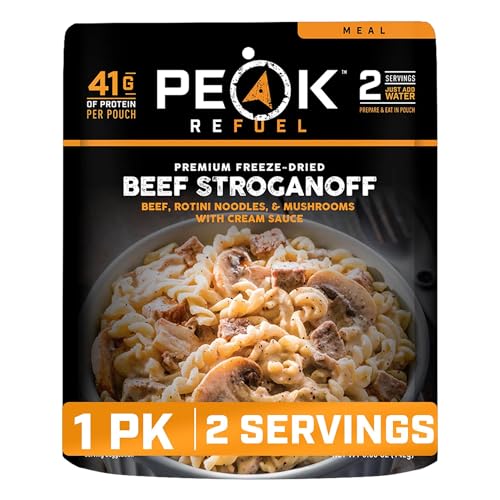
- Dehydrated & Freeze-Dried Meals: These are the gold standard for backpacking. They are lightweight, require only boiling water, and come in a huge variety of flavors. You can even find recipes for backpacking dehydrated meal recipes to make your own.
- Shelf-Stable Proteins: Jerky, nuts, seeds, peanut butter, and vacuum-sealed salmon or tuna are excellent protein sources.
- Hardy Produce: Apples, oranges, carrots, and potatoes can last for days without refrigeration if kept in a cool, dark place.
- Breads & Crackers: Tortillas, hardtack, and sturdy crackers are great bases for meals and snacks.
2. Safe Storage and Packing
Proper storage is critical to prevent spoilage and keep wildlife away. Always store food in airtight containers or resealable bags. This not only keeps food fresh but also contains smells. For bear country, follow strict food storage rules, which often involve hanging food or using bear canisters. Even in areas without large predators, keeping a clean camp is part of the Leave No Trace principles.
3. Creative Preparation
You don't need a full kitchen to make a great meal. A simple outdoor single burner propane stove or a double burner model is sufficient for most meals. For a truly versatile setup, consider a portable commercial propane griddle or even a piece of cast iron outdoor cooking equipment for use over a fire. If you're looking for lightweight options, explore ultralight backpacking cooking gear.
Delicious Meal Ideas by Category
Breakfast
Instant Oatmeal Packets
Just add hot water. Customize with nuts, seeds, and dried fruit for a filling start. A classic, affordable option.
Budget-FriendlyPeanut Butter & Banana Tortillas
A no-cook breakfast that's packed with energy. Use a sturdy tortilla and a firm banana for best results.
Entry-LevelDehydrated Egg & Hash Brown Skillet
Rehydrate dried eggs and hash browns in a pan for a hot, hearty breakfast. A mid-range option for comfort.
Mid-RangePremium Granola with Powdered Milk
High-quality granola with nuts and honey, mixed with powdered milk and water. A top-tier, no-cook choice.
PremiumLunch
Tuna or Chicken Salad Wraps
Use vacuum-sealed tuna or chicken packets, mayonnaise packets, and tortillas. Add relish or hot sauce for flavor.
Budget-FriendlyHummus & Veggie Wraps
Shelf-stable hummus cups with hardy vegetables like carrots and bell peppers. A fresh, mid-tier option.
Mid-RangeHard Salami & Cheese
Hard salami and waxed cheese (like Gouda or cheddar) can last for days. Pair with crackers for a high-end lunch.
PremiumPeanut Butter & Jelly Tortillas
The ultimate no-fridge classic. Use squeeze bottles for jelly to avoid a mess. An affordable and reliable staple.
AffordableDinner
Rice & Bean Burrito Bowls
Instant rice, canned beans, and a packet of taco seasoning. Top with shelf-stable cheese and hot sauce.
Budget-FriendlyPasta with Canned Sauce & Tuna
Quick-cooking pasta, a small can of sauce, and a tuna packet make a satisfying, mid-tier meal.
Mid-RangeDehydrated Backpacking Meal
Just add boiling water to the pouch. These are convenient, lightweight, and come in gourmet flavors.
PremiumCouscous with Dried Veggies & Nuts
Couscous only needs hot water. Add dried vegetables, nuts, and a bouillon cube for a flavorful, high-end dish.
Top-TierSnacks and Hydration
Never underestimate the power of a good snack on the trail. They provide quick energy and a morale boost. Great non-refrigerated snack options include:
- Trail mix with nuts, seeds, and dried fruit
- Granola or energy bars
- Beef jerky or turkey jerky
- Apples, oranges, and firm pears
- Hard cheese and crackers
- Dark chocolate (it melts, but it's worth it!)
Hydration is equally important. Always carry a reliable water container, such as a potable water container for camping. If you're filtering water from natural sources, a good water filter is essential. A camping backpack with a water bladder makes staying hydrated on the move effortless.
Sample One-Day Non-Refrigerated Meal Plan
Here’s a simple, delicious, and entirely shelf-stable meal plan for a day of camping:
- Breakfast: Instant oatmeal packet with added nuts and dried cranberries. Instant coffee or tea.
- Lunch: Tortilla wraps with vacuum-sealed tuna, mayonnaise packets, and relish. An apple on the side.
- Snack: A handful of trail mix and a granola bar.
- Dinner: Dehydrated backpacking meal (e.g., Pad Thai or Beef Stew) followed by a square of dark chocolate.
For more ideas and a broader perspective on outdoor meals, explore our guide on non-refrigerated camping food ideas and healthy breakfast ideas for camping.
Frequently Asked Questions
Can I bring fresh meat on a camping trip without a cooler?
It is not recommended. Fresh meat can spoil quickly and cause foodborne illness. For non-refrigerated trips, rely on canned, vacuum-sealed, or dehydrated protein sources.
How long can non-refrigerated food last on a camping trip?
Shelf-stable foods like canned goods, dry pasta, and dehydrated meals can last for months or even years if stored properly. Once opened, they should be consumed within a day or two, following standard food safety guidelines.
What are the best containers for packing non-refrigerated food?
Airtight, waterproof containers or heavy-duty resealable bags are best. They protect food from moisture, pests, and physical damage. For backpacking, lightweight stuff sacks or bear canisters are ideal.
Is it safe to eat canned food that has been in the sun?
No. Heat can cause canned food to spoil or become unsafe to eat, even if the can appears intact. Always store canned goods in a cool, shaded place.