Camp Stove Fuel: The Complete Guide to Types, Performance & Safety
Everything you need to know about choosing the right fuel for your camping stove — from butane and propane blends to white gas and alcohol. Make an informed decision before your next outdoor adventure.
EXPLORE FUEL TYPESWhy Fuel Choice Matters: The fuel you choose directly affects stove performance, cold-weather reliability, weight, and safety. This guide breaks down every major camp stove fuel type so you can match the right fuel to your camping style and environment.
Understanding Camp Stove Fuel
Choosing the right fuel for your camping stove is one of the most important decisions you'll make as an outdoor enthusiast. The fuel type determines how well your stove performs in different conditions, how much weight you'll carry, and how convenient your cooking experience will be. Whether you're a weekend car camper or a serious backcountry explorer, understanding fuel options is essential.
Most camp stoves fall into two broad categories: those that run on pressurized gas canisters (butane, propane, isobutane, or blends) and those that use liquid fuel (white gas, alcohol, or kerosene). Each has distinct advantages and trade-offs. This guide will help you navigate those differences so you can make a confident purchase decision.
If you're still in the market for a stove itself, you may want to explore options like a butane camping stove or a portable butane stove before diving into fuel specifics. But if you already have your stove and just need the right fuel, you're in the right place.
Major Types of Camp Stove Fuel
1. Butane
Butane is one of the most common fuels for lightweight camping stoves. It's typically sold in small, disposable canisters that snap or screw onto the stove burner. Butane is popular among casual campers because it's easy to find, relatively clean-burning, and requires no priming or pumping.
✅ Pros
- Lightweight and compact canisters
- Clean-burning with minimal soot
- No priming or pumping required
- Widely available at outdoor retailers
❌ Cons
- Poor cold-weather performance (below 40°F / 4°C)
- Canisters are not refillable in most cases
- Lower heat output compared to propane
- Not ideal for high-altitude cooking
Butane is best suited for warm-weather camping, car camping, and casual picnics. If you frequently camp in cold conditions, you'll want to consider a different fuel. For lightweight trips where every ounce counts, a ultralight backpacking stove paired with butane can be a great choice.
2. Propane
Propane is a versatile fuel that works well in a wide range of temperatures. It's commonly used in larger camping stoves, portable grills, and RV appliances. Propane is stored in pressurized steel tanks and delivers consistent performance even in colder weather.
✅ Pros
- Excellent cold-weather performance
- High heat output
- Tanks are refillable
- Widely available in various sizes
❌ Cons
- Heavier than butane canisters
- Tanks require more storage space
- Not ideal for ultralight backpacking
- Requires a compatible stove or adapter
Propane is a top choice for car camping, family trips, and cold-weather adventures. If you're looking for a stove that pairs well with propane, consider a outdoor stove top or a camp and kitchen setup. For those who want the convenience of propane in a portable form, a butane gas stove may also be worth exploring.
3. Isobutane
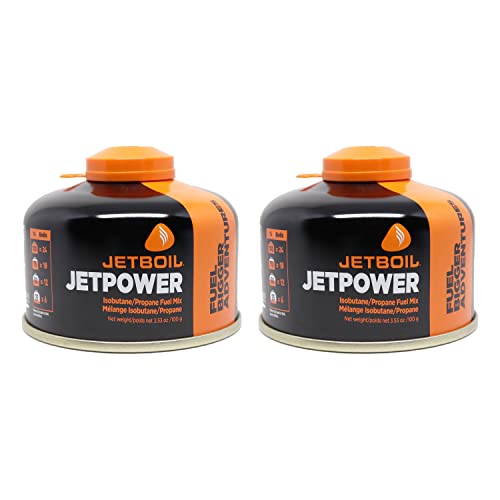
Isobutane is a refined form of butane that performs better in cold temperatures. It's often mixed with propane in canisters to improve pressure and consistency. Isobutane blends are the go-to choice for backpackers and mountaineers who need reliable performance in challenging conditions.
✅ Pros
- Better cold-weather performance than pure butane
- Lightweight and compact
- Clean-burning
- Ideal for backpacking and alpine climbing
❌ Cons
- More expensive than pure butane
- Canisters are not refillable
- Performance still drops in extreme cold
- Less widely available in some regions
Isobutane is the preferred fuel for serious backpackers and cold-weather campers. If you're planning a trip where temperatures might dip below freezing, an isobutane blend is a smart investment. Pair it with a 4-season camping setup for the best results.
4. White Gas (Coleman Fuel)
White gas, also known as Coleman fuel or naphtha, is a liquid fuel that's been a staple of camping for decades. It requires a stove with a pump and priming system, but it delivers exceptional performance in cold weather and at high altitudes.
✅ Pros
- Excellent cold-weather and high-altitude performance
- High heat output
- Refillable fuel bottles
- Cost-effective for frequent campers
❌ Cons
- Requires priming and pumping
- More complex stove operation
- Fuel has a strong odor
- Not as clean-burning as gas canisters
White gas is the fuel of choice for expedition-style camping and winter adventures. It's heavier and more involved than canister fuel, but its reliability in extreme conditions is unmatched. If you're planning a winter camping trip, white gas is worth considering.
5. Alcohol (Denatured Alcohol / Ethanol)
Alcohol stoves are popular among ultralight backpackers because they're simple, lightweight, and require no pressurized fuel. Denatured alcohol is the most common fuel, though ethanol and methanol can also be used.
✅ Pros
- Extremely lightweight setup
- No pressurized canisters or pumps
- Fuel is widely available
- Very quiet operation
❌ Cons
- Lower heat output
- Slower cooking times
- Poor performance in cold weather
- Fuel is difficult to see when burning
Alcohol stoves are best for solo backpackers who prioritize weight savings over cooking speed. They're not ideal for group cooking or cold-weather trips, but for simple meals on mild-weather hikes, they're hard to beat.
Camp Stove Fuel Comparison
The table below summarizes the key characteristics of each fuel type. Use this as a quick reference when deciding which fuel is right for your next trip.
| Fuel Type | Best For | Cold Weather | Weight | Ease of Use | Tier |
|---|---|---|---|---|---|
| Butane | Warm-weather car camping, casual use | Poor | Light | Very Easy | Entry-Level |
| Propane | Car camping, family trips, cold weather | Excellent | Heavy | Easy | Mid-Range |
| Isobutane | Backpacking, alpine climbing, cold weather | Good | Light | Easy | Premium |
| White Gas | Expeditions, winter camping, high altitude | Excellent | Moderate | Moderate | Premium |
| Alcohol | Ultralight solo backpacking, mild weather | Poor | Ultralight | Easy | Entry-Level |
Cold Weather Performance: What You Need to Know
Cold weather is the ultimate test for any camp stove fuel. As temperatures drop, fuel pressure decreases, and stoves that performed well in summer may struggle to produce a consistent flame. Understanding how each fuel behaves in the cold is essential for anyone planning off-season adventures.
Butane is the most affected by cold. It struggles below 40°F (4°C) and becomes nearly unusable in freezing conditions. Propane performs well down to around -40°F (-40°C), making it an excellent choice for winter camping. Isobutane blends offer a middle ground, performing reasonably well down to about 20°F (-6°C) before pressure drops significantly.
White gas remains the gold standard for extreme cold. It requires priming, but once lit, it delivers consistent heat even in sub-zero temperatures. If you're planning a trip that involves setting up a tent in the snow or camping in the winter in a tent, white gas is a reliable choice.
For more tips on staying warm and comfortable in cold conditions, explore our guides on how to stay warm in winter and winter camping gear.
Safety and Storage Tips for Camp Stove Fuel
Fuel safety is non-negotiable when you're camping. Whether you're using pressurized canisters or liquid fuel, following proper handling and storage procedures protects you, your gear, and the environment.
- Store fuel upright in a cool, dry, well-ventilated area away from direct sunlight and heat sources.
- Never store fuel inside your tent or sleeping area. Fumes can accumulate and create a serious health and fire hazard.
- Check canister connections before each use. A loose connection can lead to leaks and dangerous flare-ups.
- Use fuel in well-ventilated areas. Carbon monoxide is a silent killer — never burn a stove inside an enclosed space without proper ventilation.
- Dispose of empty canisters responsibly. Follow local regulations for recycling or disposal.
- Keep a fire extinguisher nearby when cooking with any fuel, and know how to use it.
For broader safety guidance, see our articles on campfire safety rules and how to extinguish a campfire. If you're camping in areas with fire restrictions, review the fire ban guide before your trip.
How to Choose the Right Fuel for Your Trip
Your ideal fuel depends on a few key factors: the season, your camping style, the weight you're willing to carry, and the type of stove you own. Here's a simple framework to help you decide.
For Warm-Weather Car Camping
Butane or propane are both excellent choices. Butane canisters are lightweight and easy to use, while propane offers higher heat output and better performance if temperatures dip unexpectedly. If you're cooking for a group, a propane-powered camping kitchen table or portable camp kitchen setup can make meal prep much more enjoyable.
For Backpacking and Ultralight Adventures
Isobutane canisters are the go-to for most backpackers. They're lightweight, easy to use, and perform well in moderate cold. For the absolute lightest setup, consider an alcohol stove, but be prepared for slower cooking times. A small hiking daypack or daypack for hiking can carry your stove and fuel comfortably.
For Winter and High-Altitude Camping
White gas is the most reliable option for extreme conditions. It requires more effort to use, but its performance in cold and altitude is unmatched. Pair it with a 4-season tent and a winter sleeping bag for a complete cold-weather setup.
For Casual Picnics and Day Trips
A simple butane stove with a small canister is perfect for boiling water or heating up a quick meal. If you want something even more compact, a portable butane stove is a great choice. For coffee lovers, a camp coffee maker or camping coffee pot can turn a simple trip into a memorable experience.
Ready to Gear Up?
Now that you understand camp stove fuel options, you're ready to choose the right setup for your next adventure. Browse our recommended camping gear below to find top-rated stoves, fuel canisters, and accessories that match your needs.
Frequently Asked Questions About Camp Stove Fuel
What is the best fuel for cold weather camping?
Isobutane canisters and white gas are the best choices for cold weather. Isobutane maintains pressure better than regular butane in low temperatures, while white gas performs reliably even in freezing conditions when properly primed. For extreme cold, white gas is the most dependable option.
Can I use any butane canister on my camp stove?
Not all butane canisters are compatible with every stove. You must match the canister valve type (e.g., Lindal, Campingaz, or threaded) to your stove's connector. Always check your stove manual for approved fuel types and never force a canister that doesn't fit properly.
Is propane the same as butane for camping stoves?
No, propane and butane are different fuels with distinct properties. Propane works better in cold weather and is typically used in larger tanks, while butane is common in small canisters for lightweight stoves. Some canisters use a blend of both to improve performance across a wider temperature range.
How should I store camp stove fuel safely?
Store fuel canisters upright in a cool, dry, well-ventilated area away from direct sunlight, heat sources, and ignition points. Never store fuel inside your tent or sleeping area. Always check local regulations for safe transport and storage, especially when traveling with fuel canisters.
Can I refill butane or isobutane canisters?
Most butane and isobutane canisters are designed to be disposable and should not be refilled. Attempting to refill them can be dangerous due to pressure and valve issues. White gas and propane tanks, on the other hand, are refillable and designed for repeated use.
Final Thoughts on Camp Stove Fuel
Choosing the right camp stove fuel doesn't have to be complicated. By understanding the strengths and limitations of each fuel type, you can match your stove and fuel to your specific camping style and environment. Whether you're a casual car camper, a dedicated backpacker, or a winter expedition enthusiast, there's a fuel that's right for you.
Remember to prioritize safety, store fuel properly, and always test your stove before heading out on a trip. With the right fuel and a little preparation, you'll enjoy reliable cooking performance wherever your adventures take you.
For more gear guidance and outdoor tips, explore our other resources on camping technology, camping destinations, and camping FAQ.