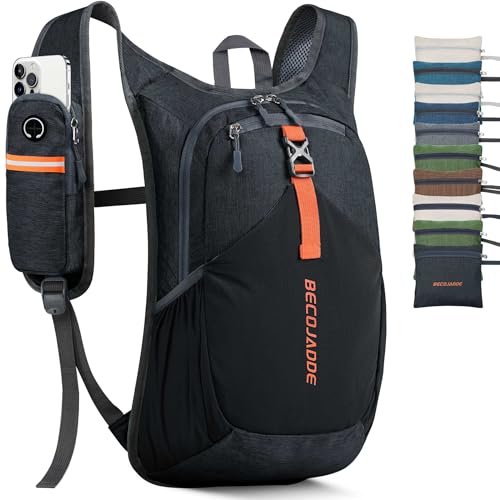
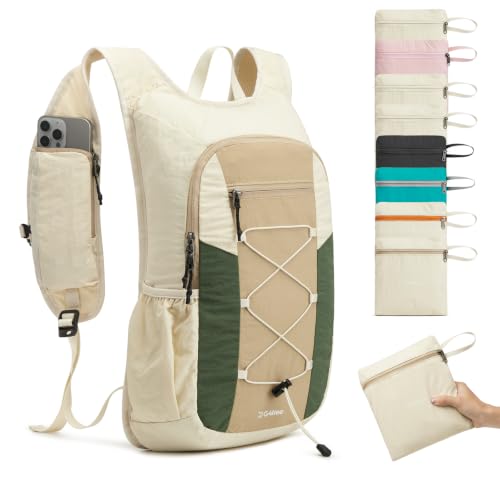
Small Hiking Daypack: The Complete Guide to Lightweight Daypacks
Everything you need to know before choosing a small hiking daypack for day hikes, trail runs, and outdoor adventures. Compare sizes, features, and find your perfect fit.
START READINGWhy a small hiking daypack matters: A well-chosen daypack is the difference between a comfortable, enjoyable hike and a miserable one. Unlike large backpacking packs, a small hiking daypack is designed for shorter trips where you carry only essentials — water, snacks, a layer, and a few safety items. The right pack distributes weight efficiently, keeps your gear organized, and moves with your body on the trail.
What Is a Small Hiking Daypack?
A small hiking daypack is a compact backpack typically ranging from 10 to 30 liters in capacity. It is purpose-built for day hikes, short treks, and urban adventures where you need to carry essentials without the bulk of a multi-day pack. These packs prioritize lightweight construction, breathable back panels, and efficient storage over massive carrying capacity.
Unlike camping backpacks designed for overnight trips, daypacks focus on mobility and quick access. They are ideal for hikers who want to move fast and light, whether you are summiting a local peak, exploring a state park, or simply enjoying a nature walk. Many hikers also use a daypack for hiking as a secondary bag for side trips during longer camping adventures.
If you are new to hiking, understanding the difference between a daypack and a full backpacking pack is essential. A daypack is not meant to carry sleeping bags, tents, or multi-day food supplies. Instead, it carries the essentials for a few hours to a full day on the trail. For those transitioning to overnight trips, consider a hiking backpack with tent and sleeping bag instead.
Why Choose a Small Hiking Daypack?
There are several compelling reasons to choose a small hiking daypack over a larger pack or a generic backpack:
Lightweight & Agile
A small daypack keeps your load minimal, allowing you to move faster and with less fatigue. This is especially important on steep or technical trails where balance matters.
Better Weight Distribution
Daypacks are designed to sit close to your back and distribute weight through padded shoulder straps and often a hip belt, reducing strain on your shoulders and spine.
Organized Storage
Multiple compartments, hydration sleeves, and hip belt pockets keep your gear accessible and organized, so you are not digging through a chaotic bag on the trail.
Versatility
A good daypack works for hiking, travel, commuting, and everyday use. Many travelers use a waterproof daypack for hiking as a carry-on or day bag for city exploration.
Key Features to Look For in a Small Hiking Daypack
Not all daypacks are created equal. When evaluating options, focus on these critical features:
1. Capacity and Size
Capacity is measured in liters and determines how much gear you can carry. For most day hikes, 15 to 30 liters is the sweet spot. A 10-15L pack suits short, fast hikes with minimal gear. A 20-25L pack handles longer day hikes with layers, lunch, and extra water. A 30L pack works for full-day adventures or when you carry gear for children or pets.
2. Fit and Torso Length
A properly fitted daypack should sit snugly against your back with the hip belt resting on your hip bones. Torso length — not height — determines fit. Measure from the bony bump at the base of your neck (C7 vertebra) to the top of your hip bones. Look for packs with adjustable torso ranges if you are between sizes.
3. Back Panel Ventilation
A ventilated back panel keeps you cool by allowing air to flow between your back and the pack. Look for designs with mesh-covered foam, channeled padding, or tensioned mesh suspensions. This is especially important for summer trekking and hot-weather hikes.
4. Hydration Compatibility
Most modern daypacks include a hydration reservoir sleeve and a port for the drinking tube. This lets you drink hands-free using a hiking drinking bottle or hydration bladder, which is far more convenient than stopping to pull out a water bottle.
5. Material and Durability
Look for packs made from ripstop nylon or polyester with water-resistant coatings. Reinforced bottoms and high-denier fabrics add durability for rocky or abrasive environments. If you hike in wet climates, consider a pack with a hiking rain gear cover or one that is inherently water-resistant.
6. Pockets and Organization
Good organization makes a daypack far more usable. Look for a main compartment, a secondary pocket for quick-access items, hip belt pockets for snacks or a phone, and side mesh pockets for water bottles. Some packs include a separate compartment for wet gear or a camping duffel bag style opening.
Small Hiking Daypack Size Comparison
Use this comparison table to match daypack capacity to your hiking style and needs:
| Capacity | Best For | Typical Tier | Key Considerations |
|---|---|---|---|
| 10–15L | Short hikes, trail runs, urban walks | Budget-friendly | Minimal gear, water, phone, keys, light layer |
| 16–22L | Half-day to full-day hikes | Mid-range | Lunch, extra layer, first aid, 2L water, camera |
| 23–30L | Long day hikes, family hikes, winter day trips | Premium | Bulky layers, extra food, emergency gear, kids' supplies |
| 30L+ | Overnight trips, technical day hikes | High-end | Consider a full backpacking pack instead for multi-day use |
Budget vs Mid-Range vs Premium Daypacks
Daypacks fall into three broad quality tiers. Understanding these tiers helps you make an informed decision based on your hiking frequency and needs.
Budget-Friendly Daypacks
Entry-level daypacks are ideal for occasional hikers, students, or anyone testing whether hiking is a hobby they will stick with. They typically use basic materials, simple shoulder straps, and limited organizational features. They work fine for short, easy trails but may lack ventilation, durability, and advanced fit adjustments. If you hike only a few times a year on well-maintained trails, a budget-friendly pack is a sensible starting point.
Mid-Range Daypacks
Mid-tier daypacks offer the best balance of features, durability, and comfort. They usually include ventilated back panels, padded hip belts, hydration compatibility, and multiple pockets. Materials are more durable, and construction quality is noticeably better than entry-level packs. For regular hikers who hit the trail weekly or monthly, a mid-range daypack is the smartest investment. Many camping gadgets and accessories are designed to integrate seamlessly with packs in this tier.
Premium Daypacks
High-end daypacks use advanced materials like high-denier ripstop nylon, premium zippers, and ergonomic suspension systems. They are lighter, more durable, and more comfortable over long distances. Features may include adjustable torso lengths, load-lifter straps, and integrated rain covers. These packs are best for serious hikers, frequent travelers, and anyone who values long-term durability and performance. If you already invest in quality gear like a 4-season tent or ultralight backpacking stove, a premium daypack fits naturally into your kit.
Pros and Cons of Small Hiking Daypacks
✅ Advantages
- Lightweight and easy to carry for hours
- Encourages minimalism and smart packing
- Versatile for hiking, travel, and daily use
- Often airline carry-on compatible
- Less expensive than full backpacking packs
- Easy to store and transport when not in use
❌ Limitations
- Limited capacity for bulky or extra gear
- Not suitable for overnight or multi-day trips
- May lack advanced suspension of larger packs
- Budget models can be uncomfortable on long hikes
- Requires disciplined packing to avoid overcrowding
How to Pack a Small Hiking Daypack
Packing efficiently is an art, especially with limited space. Follow these principles to maximize comfort and accessibility:
- Heaviest items closest to your back: Place water, food, and heavy gear in the middle of the pack, against your spine. This improves balance and reduces strain.
- Frequently used items on top or in easy-access pockets: Snacks, maps, sunscreen, and a phone should be reachable without removing the pack.
- Use the hip belt: For loads over 10 pounds, tighten the hip belt to transfer weight from your shoulders to your hips.
- Keep rain gear accessible: Weather changes fast. Store a rain jacket or pack cover in an outer pocket or the top lid.
- Balance left and right: Distribute weight evenly to prevent the pack from shifting during your hike.
For longer day hikes or winter conditions, you may need to carry bulkier items. In that case, consider whether a cold weather tent or additional layering clothing for winter will fit, or if you need to size up to a 30L pack.
Daypack vs Backpacking Pack: What's the Difference?
A common question among new hikers is whether a daypack can double as a backpacking pack. The short answer is no — they serve different purposes.
A small hiking daypack is designed for single-day use with minimal gear. It prioritizes lightweight construction, ventilation, and quick access. A backpacking pack, by contrast, is built to carry heavy loads over multiple days. It includes a robust suspension system, load-lifter straps, and significantly more capacity (typically 40–70 liters).
If you are planning overnight trips, you will need a proper backpacking pack. However, many backpackers also carry a small daypack as a secondary bag for side trips, summit attempts, or exploring camp surroundings. If you are unsure which type you need, start with a daypack for local hikes and upgrade to a backpacking pack when you are ready for overnight adventures. For those interested in good backpacking packs, research both types before committing.
Best Use Cases for a Small Hiking Daypack
Day Hikes
Perfect for 2–8 hour hikes where you carry water, snacks, a layer, and a first aid kit. A small hiking daypack is the ideal companion for local trails and national parks.
Travel & Sightseeing
Use a daypack as a carry-on or day bag when traveling. It holds a camera, jacket, snacks, and souvenirs while keeping your hands free. A waterproof daypack for hiking is especially useful for unpredictable weather.
Trail Running & Fastpacking
Lightweight daypacks in the 10–15L range work well for trail running and fastpacking, where every ounce counts and mobility is paramount.
Family Hikes
Parents often carry a 25–30L daypack to hold supplies for children — snacks, water, extra layers, and small first aid items. It is a practical alternative to carrying multiple bags.
Winter Day Trips
Winter hiking requires bulkier gear. A 25–30L pack can hold insulated layers, a thermos, and emergency supplies. Pair it with winter boots for camping and tips for staying warm in winter.
Urban Commuting
Many daypacks double as commuter bags, carrying a laptop, lunch, and gym clothes. Their comfortable straps and ventilation make them ideal for daily use.
How to Maintain Your Small Hiking Daypack
Proper care extends the life of your daypack and keeps it performing at its best:
- Clean after every hike: Empty all pockets, shake out debris, and wipe down the interior and exterior with a damp cloth.
- Hand wash only: Never machine wash a daypack. Use mild soap and warm water, then air dry away from direct sunlight.
- Check zippers and buckles: Lubricate zippers with a silicone-based lubricant if they stick. Replace broken buckles promptly.
- Store properly: Store your pack in a cool, dry place. Avoid compressing it for long periods, which can damage foam padding.
- Repair minor damage: Patch small tears with repair tape or a sewing kit before they grow larger.
Safety Considerations for Day Hikers
Even on short hikes, safety should never be an afterthought. Your daypack should always contain essential safety items:
- First aid kit: A basic first aid kit for camping should include bandages, antiseptic wipes, blister treatment, and any personal medications.
- Navigation tools: Carry a map, compass, or a charged phone with offline maps apps. Do not rely solely on cell service.
- Emergency communication: Consider a satellite communicator or emergency beacon for remote trails.
- Weather protection: Pack a rain jacket or emergency poncho. Check camping weather alerts before you go.
- Knowledge: Learn what to do if lost and basic wilderness first aid before heading out.
For more comprehensive safety preparation, review emergency preparedness for camping and emergency communication guides.
Common Mistakes When Choosing a Small Hiking Daypack
- Buying based on looks alone: A stylish pack that does not fit your torso will be uncomfortable regardless of how good it looks.
- Ignoring torso length: Using your height to choose a pack size is a common error. Always measure torso length.
- Overestimating capacity needs: Buying a 40L pack for day hikes leads to overpacking and unnecessary weight. Match capacity to your actual needs.
- Skipping the hip belt: For loads over 10 pounds, a hip belt is essential for comfort. Do not overlook this feature.
- Neglecting ventilation: A pack without a ventilated back panel will leave you sweaty and uncomfortable, especially in warm weather.
- Not testing before buying: Always try on a pack with weight inside before purchasing. Walk around the store or return home and test it with your actual gear.
Ready to Hit the Trail?
Now that you understand what makes a great small hiking daypack, explore our recommended gear below. Every pack is selected for quality, comfort, and value.
VIEW RECOMMENDED DAYPACKS