The Ultimate Portable Butane Stove Guide
Everything you need to know about portable butane stoves — from how they work and what to look for, to safe operation and maintenance. Perfect for campers, tailgaters, and emergency preppers who want reliable outdoor cooking.
Start LearningQuick Summary: A portable butane stove is one of the most convenient cooking solutions for outdoor enthusiasts. It's lightweight, easy to use, and provides instant high heat. However, butane fuel has limitations in cold weather and at high altitudes. This guide will help you decide if a butane stove is right for your needs and how to use it safely.
What Is a Portable Butane Stove?
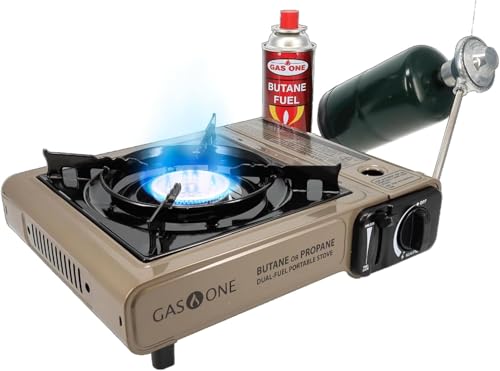
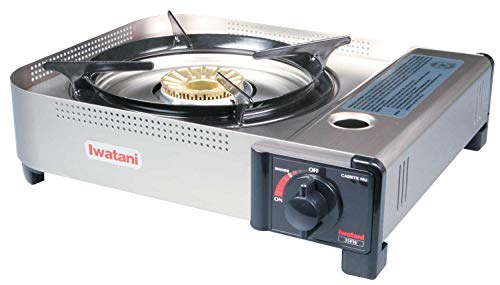
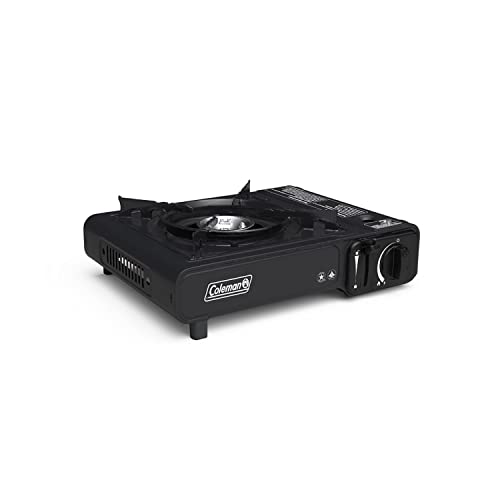
A portable butane stove is a compact, single-burner cooking appliance designed to run on disposable butane canisters. Unlike traditional camp stoves that use white gas or propane, butane stoves offer instant ignition, precise flame control, and exceptional portability. They are widely used for camping, tailgating, picnics, and as a backup cooking solution during power outages.
The typical butane stove consists of a stamped metal body, a burner head, a control knob for flame adjustment, and a cartridge bay that holds an 8-ounce butane canister. Most models feature a piezoelectric ignition system, eliminating the need for matches or lighters. For those who want a complete outdoor cooking setup, combining a butane stove with a camping kitchen table or a portable camp kitchen creates a functional and organized cooking station.
Why Choose a Butane Stove Over Other Camping Stoves?
Butane stoves offer several distinct advantages that make them a popular choice among outdoor enthusiasts. Understanding these benefits will help you determine if this type of stove aligns with your camping style.
Key Advantages
- Instant High Heat: Butane burns hot and provides immediate, controllable heat — ideal for boiling water, stir-frying, and quick meals.
- Ultra-Portable: Most models weigh under 3 pounds and fold down to a compact size, making them easy to transport in a camping duffel bag or camping backpack.
- Simple Operation: No priming, no pumping, no liquid fuel spills. Just insert the canister, turn the knob, and ignite.
- Clean Burning: Butane produces minimal soot and odor compared to white gas or kerosene.
- Affordable Entry Point: Entry-level butane stoves are budget-friendly, making them accessible for beginners.
- Versatile: Great for car camping, emergency kits, and even as a backup indoor stove during power outages (with proper ventilation).
Limitations to Consider
- Cold Weather Performance: Butane struggles below 40°F (4°C). The fuel pressure drops, resulting in a weak flame or no flame at all. For winter camping, consider a 4-season camping setup with a good camping stove that uses propane or white gas.
- Altitude Sensitivity: Performance decreases at elevations above 5,000 feet. If you frequently camp in mountainous regions, a multi-fuel stove may be more reliable.
- Canister Waste: Disposable canisters cannot be refilled, contributing to waste. Some environmentally conscious campers prefer refillable propane systems.
- Indoor Safety: Never use a butane stove indoors, in a tent, or in any enclosed space. Carbon monoxide is odorless and deadly. Always cook in well-ventilated outdoor areas.
How to Choose the Right Portable Butane Stove
Not all butane stoves are created equal. When shopping for a butane camping stove, consider the following factors to ensure you get a model that meets your needs and lasts for years.
1. BTU Output
BTU (British Thermal Units) measures heating power. Entry-level models typically output around 7,000–8,000 BTU, while high-end models can reach 12,000–15,000 BTU. Higher BTU means faster boiling and better performance for larger pots.
2. Build Quality
Stainless steel bodies resist rust and are easier to clean. Aluminum is lighter but less durable. Look for models with reinforced burner heads and sturdy cartridge locking mechanisms.
3. Safety Features
Essential safety features include an overpressure shutoff device, a cartridge lock lever that prevents accidental release, and a flame adjustment knob that offers precise control. Some premium models include a thermal fuse that cuts gas flow if the stove overheats.
4. Ignition System
Piezoelectric ignition is standard on most modern butane stoves. It's convenient and reliable, but it can fail over time. Some campers prefer models with a manual ignition port as a backup.
5. Portability & Size
Consider the dimensions and weight. Compact models are ideal for backpacking, while larger stoves with wider burner heads provide better stability for bigger cookware.
6. Wind Resistance
Many butane stoves include a built-in wind guard or a recessed burner that shields the flame from gusts. This is critical for open-air cooking. If your stove lacks this, consider a separate windscreen.
Understanding Quality Tiers: From Entry-Level to Premium
Portable butane stoves are available in a range of quality tiers, each offering different levels of performance, durability, and features. Use this guide to match a tier to your camping style and frequency of use.
| Tier | Best For | Key Characteristics |
|---|---|---|
| Entry-Level | Occasional campers, emergency kits, budget-conscious buyers | Basic BTU output, aluminum or thin steel body, simple ignition, minimal wind protection. Functional but less durable for heavy use. |
| Mid-Range | Regular campers, tailgaters, weekend warriors | Higher BTU, stainless steel or reinforced body, better wind resistance, smoother flame control, improved safety features. A solid balance of performance and value. |
| Premium | Frequent campers, professional outdoor chefs, serious preppers | Maximum BTU output, heavy-duty stainless steel construction, advanced safety systems (thermal fuse, overpressure shutoff), precise simmer control, superior wind protection, long-term durability. |
For most campers, a mid-range butane stove offers the best combination of performance and reliability. If you camp frequently or rely on your stove for emergency preparedness, investing in a premium model is worthwhile. Pair your stove with a good camping lantern and a camping coffee pot to complete your camp kitchen.
How to Use a Portable Butane Stove Safely
Using a butane stove is straightforward, but following proper procedures ensures your safety and extends the life of your equipment.
Step-by-Step Setup
- Choose a Safe Location: Place the stove on a flat, stable, heat-resistant surface. Never use it on a flammable surface like a wooden picnic table without a heat shield. Ensure the area is well-ventilated and away from tents, awnings, and dry vegetation.
- Inspect the Stove and Canister: Check the stove for damage, especially the burner head and gas tube. Inspect the butane canister for dents, rust, or leaks. If anything looks suspicious, do not use it.
- Insert the Canister: Open the cartridge bay and align the notch on the canister with the locking lever. Push the canister in until it clicks. The lever should snap into place securely. Do not force it.
- Ignite the Burner: Turn the flame control knob slightly to release gas, then press the ignition button. If the stove doesn't light within a few seconds, turn off the gas, wait for any accumulated gas to dissipate, and try again.
- Adjust the Flame: Use the control knob to adjust the flame. A blue flame indicates efficient combustion. A yellow flame may indicate insufficient oxygen or a dirty burner.
- Cook and Monitor: Never leave a lit stove unattended. Keep children and pets at a safe distance. If you need to move the stove, turn it off and let it cool first.
Safety Rules You Must Follow
- Never Use Indoors: Butane stoves produce carbon monoxide. Always use them outdoors in a well-ventilated area. Using one inside a tent, camper, or garage is extremely dangerous.
- Keep Away from Flammables: Maintain a safe distance from tents, sleeping bags, dry leaves, and other combustible materials.
- Do Not Overheat: Do not use oversized pots or pans that extend beyond the burner grate. This can cause the canister to overheat and potentially explode.
- Check for Leaks: If you smell gas, turn off the stove immediately, remove the canister, and check for leaks. Never use a stove with a known leak.
- Store Properly: Store butane canisters in a cool, dry place away from direct sunlight and heat sources. Do not store canisters inside a hot vehicle.
- Follow Fire Safety: Familiarize yourself with campfire safety rules and always have a fire extinguisher or water nearby. If a fire ban is in effect, check the fire ban guide for alternatives.
Maintaining Your Butane Stove for Longevity
Proper maintenance ensures your stove performs reliably for years. Here are essential care tips:
- Clean After Every Use: Wipe down the stove body with a damp cloth. Remove food debris from the burner head using a soft brush. Avoid using abrasive cleaners that can scratch the surface.
- Check the Burner Head: Periodically inspect the burner ports for clogs. Use a pin or wire to clear any blockages. A clean burner produces a consistent blue flame.
- Inspect the Gasket: The rubber gasket that seals the canister connection can wear out over time. If it looks cracked or brittle, replace it if possible or replace the stove.
- Store Correctly: Store the stove in a dry place. If your model came with a carrying case, use it to protect the stove from dust and impact.
- Remove the Canister: Always remove the butane canister when the stove is not in use. This prevents accidental gas release and reduces pressure on the sealing mechanism.
For those who want to expand their outdoor cooking capabilities, consider adding a outdoor cook station or a chef camp oven to your gear collection. These accessories complement a butane stove and enable more complex meals.
Butane vs. Propane vs. White Gas: Which Fuel Is Right for You?
Understanding the differences between fuel types helps you choose the best stove for your adventures.
| Fuel Type | Best For | Cold Weather Performance | Altitude Performance | Ease of Use |
|---|---|---|---|---|
| Butane | Car camping, tailgating, mild weather | Poor below 40°F | Poor above 5,000 ft | Excellent |
| Propane | Year-round camping, cold weather, groups | Good to 0°F | Good | Excellent |
| White Gas | Backpacking, extreme cold, high altitude | Excellent | Excellent | Moderate (requires priming) |
If you primarily camp in mild weather and value convenience, a butane stove is an excellent choice. For colder conditions, a propane stove or a ultralight backpacking stove that uses a multi-fuel system may be more appropriate. If you're planning a winter trip, be sure to review our winter camping gear guide for additional recommendations.
Best Uses for a Portable Butane Stove
Butane stoves excel in a variety of scenarios. Here are the most common and practical applications:
Camping & Car Camping
Perfect for quick meals at the campsite. Pair with a camping kitchen setup for a comfortable cooking experience.
Tailgating & Picnics
Compact and easy to transport. Great for cooking burgers, hot dogs, and stir-fries at outdoor gatherings.
Emergency Preparedness
An essential part of any emergency preparedness kit. Provides a reliable cooking method during power outages.
Backyard Cooking
Ideal for outdoor cooking at home when you want to avoid heating up the kitchen or need extra burner space.
Fishing & Hunting Trips
Lightweight and easy to pack. Perfect for cooking a fresh catch or a hot meal at a remote basecamp.
RV & Van Life
An excellent backup or supplemental cooking solution for RV camping supplies or van life setups.
Common Issues and Troubleshooting
Even the most reliable butane stove can encounter problems. Here's how to diagnose and fix common issues.
Stove Won't Light
Possible Causes: Empty canister, faulty ignition, clogged burner, or cold weather.
Solution: Check the canister weight. If empty, replace it. Clean the burner ports. If the ignition is broken, use a match or lighter. If it's cold, warm the canister in your hands or inside your jacket before use (never apply direct heat).
Weak or Yellow Flame
Possible Causes: Low fuel, clogged burner, or improper air mixture.
Solution: Replace the canister if low. Clean the burner head. If the problem persists, the stove may have a regulator issue.
Gas Leak (Smell of Gas)
Possible Causes: Improperly seated canister, damaged gasket, or faulty connection.
Solution: Turn off the stove immediately. Remove the canister and inspect the gasket. If damaged, do not use the stove. If the canister is not seated properly, reinsert it and ensure it clicks securely.
Flame Goes Out During Cooking
Possible Causes: Wind, low fuel, or overpressure shutoff activation.
Solution: Use a windscreen. Check fuel level. If the stove has been running for a long time, it may have overheated. Turn it off and let it cool before restarting.
Frequently Asked Questions About Portable Butane Stoves
Can I use a butane stove in a tent?
No. Never use a butane stove inside a tent or any enclosed space. Carbon monoxide can build up rapidly and cause serious injury or death. Always cook outdoors.
How long does a butane canister last?
A standard 8-ounce canister lasts approximately 1.5 to 2 hours on a medium flame. High-output stoves may consume fuel faster. Always carry a spare canister.
Can I use a butane stove at high altitude?
Butane performs poorly above 5,000 feet. For high-altitude camping, consider a propane or white gas stove. If you must use butane, keep the canister warm and expect reduced performance.
Are butane stoves safe for indoor use during a power outage?
Only if used in a well-ventilated area, such as an open garage with the door open or a covered patio. Never use a butane stove in a sealed room. For indoor emergency cooking, a dedicated indoor-safe stove is a better choice.
What's the difference between a butane stove and a propane stove?
Butane stoves are lighter, more compact, and offer instant high heat. Propane stoves perform better in cold weather and at high altitude. The choice depends on your typical camping conditions.
Can I refill butane canisters?
No. Disposable butane canisters are not designed to be refilled. Attempting to refill them is dangerous and can cause leaks or explosions. Always use new canisters and dispose of empty ones properly.
How do I dispose of an empty butane canister?
Check with your local waste management facility. Many recycling centers accept empty butane canisters, but some require them to be punctured or emptied completely. Never throw a canister with residual gas into a fire or trash compactor.
Final Thoughts: Is a Portable Butane Stove Right for You?
A portable butane stove is an excellent investment for campers who prioritize convenience, portability, and quick cooking. It's ideal for car camping, tailgating, emergency preparedness, and any situation where you need a reliable heat source without the hassle of liquid fuels.
However, if you frequently camp in cold weather or at high altitudes, a propane or multi-fuel stove may be a better fit. For those who want the best of both worlds, consider carrying a butane stove for mild conditions and a butane gas stove as a backup. Regardless of your choice, always prioritize safety, follow the manufacturer's instructions, and respect fire regulations.
Ready to elevate your outdoor cooking? Explore our recommended butane stoves below and find the perfect model for your next adventure. Don't forget to check our camping FAQ for more tips and answers to common questions.