Good Camping Stove: The Ultimate Guide to Choosing the Best One
A reliable camping stove is the heart of your outdoor kitchen. Whether you're a casual car camper or a seasoned backcountry explorer, the right stove can transform your experience from a struggle to a delight. This comprehensive guide will walk you through everything you need to know to find a good camping stove that matches your cooking style, adventure type, and gear setup.
Why the Right Stove Matters
Your camping stove is more than just a cooking tool; it's a critical piece of gear that affects your safety, comfort, and overall enjoyment. A good stove heats efficiently, simmers reliably, and stands up to the elements. A poor one can leave you with undercooked meals, wasted fuel, and frustration.
Beyond the campsite, the stove you choose impacts how you pack and plan. A bulky two-burner stove is perfect for family car camping, while an ultralight backpacking stove is essential when every ounce counts. Understanding your needs is the first step toward a satisfying purchase.
Types of Camping Stoves
Camping stoves come in several distinct categories, each designed for specific use cases. Here are the main types you'll encounter.
1. Canister Stoves
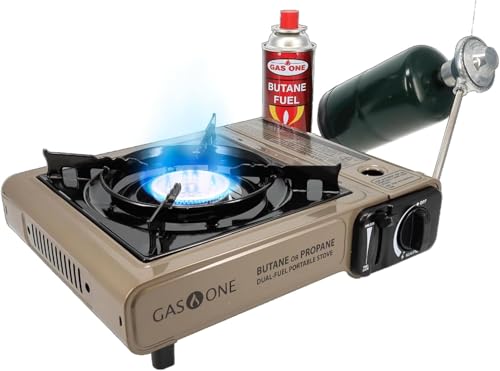
These are the most popular choice for backpackers and casual campers alike. They screw onto a pressurized gas canister (usually a butane-propane mix). They are incredibly easy to use, lightweight, and offer excellent temperature control. The main drawback is that performance can drop in freezing temperatures, and you need to carry the canisters.
2. Liquid Fuel Stoves
These stoves run on white gas, kerosene, or unleaded gasoline. They are heavier and require more maintenance (priming and cleaning), but they excel in cold weather and at high altitudes. They are a favorite among serious mountaineers and international travelers who may not find canisters easily. The propane stove top is a related variant that uses propane cylinders.
3. Alcohol Stoves
The ultralight choice. These simple stoves burn denatured alcohol and are incredibly lightweight, with no moving parts. They are very quiet, but they have a lower heat output and can be slow to boil water. They are best for solo backpackers who prioritize weight above all else.
4. Wood-Burning Stoves
For those who want to burn twigs and pinecones, a wood-burning stove is a sustainable and fun option. They require more attention to keep the fire going and leave soot on your pots, but they eliminate the need to carry fuel. They are often used in conjunction with a canvas hot tent for heating.
5. Multi-Fuel & Hybrid Stoves
These versatile stoves can run on multiple fuel types, giving you flexibility in different environments. Some can use both canisters and liquid fuel. They are a premium option for expedition use.
Fuel Types Explained
The fuel your stove uses dictates its performance, convenience, and operating cost (in terms of fuel efficiency, not price).
- Isobutane/Propane Mix: The standard for canister stoves. Burns hot and clean. Performance suffers in cold weather unless you use a canister with a higher propane mix or a stove with a pressure regulator.
- Propane: Common for larger, car-camping stoves. It performs well in cold weather but requires heavy steel cylinders. Often used in RV camper lights and appliances as well.
- White Gas (Coleman Fuel): The gold standard for cold-weather reliability. It burns very hot and is cost-effective in the long run for frequent users. Requires priming.
- Alcohol: Denatured alcohol is clean-burning and widely available. It has low heat output and is best for simple boiling tasks.
- Wood/Biomass: Free and unlimited in many areas, but inconsistent and requires gathering fuel.
Key Features to Evaluate
When comparing stoves, pay attention to these critical features.
1. Power & Boil Time
Measured in BTU (British Thermal Units) or by the time it takes to boil a liter of water. A high-output stove is great for quick meals, while a lower-output stove offers better simmering control. For reference, a powerful two-burner stove will have a much higher BTU output than a tiny backpacking canister stove.
2. Stability & Pot Support
A wide, stable base and sturdy pot supports are crucial for safety, especially when cooking for a group. Stoves with a low center of gravity are less likely to tip over. If you use a large camping cooking ware set, stability is paramount.
3. Simmer Control
The ability to precisely control the flame is what separates a good stove from a great one. A stove that only has "high" and "off" will make cooking anything beyond boiling water a challenge.
4. Wind Resistance
Wind is a stove's worst enemy. Look for stoves with integrated windscreens or the ability to add one. A good windscreen can dramatically improve fuel efficiency and boil times in exposed conditions.
5. Weight & Packability
For backpacking, every ounce counts. An ultralight backpacking stove might weigh just a few ounces. For car camping, weight is less of a concern, and you can prioritize other features like multiple burners.
Comparison Table: Stove Types at a Glance
This table summarizes the key characteristics of each stove type to help you quickly compare.
| Stove Type | Best For | Weight | Cold Weather Performance | Simmer Control | Ease of Use |
|---|---|---|---|---|---|
| Canister | Backpacking, casual camping | Lightweight | Poor to Fair | Excellent | Very Easy |
| Liquid Fuel | Expeditions, cold weather | Heavy | Excellent | Good | Moderate |
| Alcohol | Ultralight solo trips | Ultralight | Fair | Poor | Easy |
| Wood-Burning | Survival, sustainable camping | Moderate | Good (with fuel) | Poor | Moderate |
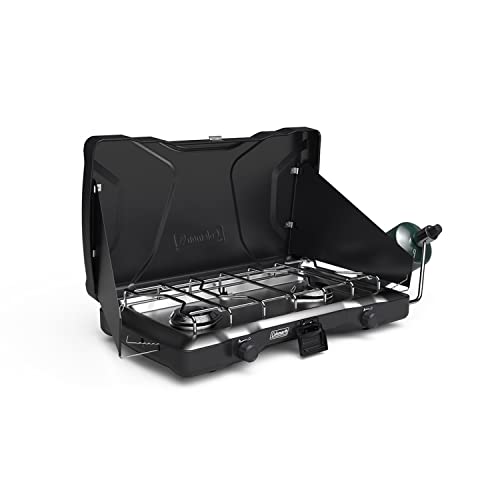
| Two-Burner Propane | Family car camping | Very Heavy | Good | Excellent | Very Easy |
How to Choose the Right Stove for You
Follow this simple decision-making process to narrow down your options.
- Identify Your Primary Activity: Are you backpacking, car camping, or RVing? This is the single most important factor. For RVers, a propane stove top might be integrated into the vehicle. For backpackers, an ultralight backpacking stove is key.
- Determine Your Group Size: Cooking for one or two people requires a different stove than cooking for a family of five. A two-burner stove is ideal for families, while a single canister stove is perfect for solo adventurers.
- Consider the Environment: Will you be camping in freezing temperatures or at high altitude? If so, a liquid fuel stove is your most reliable bet. For mild three-season camping, a canister stove is perfect.
- Think About Your Cooking Style: Do you just boil water for dehydrated meals, or do you like to cook gourmet meals? If you're a serious camp chef, prioritize simmer control and stability. You might even want a full portable camp kitchen setup.
- Set a Budget (in Tiers): Think in terms of entry-level, mid-range, and premium. Entry-level stoves are simple and functional. Mid-range stoves offer better build quality and features like pressure regulators. Premium stoves are for serious enthusiasts and expeditions, offering unmatched reliability and performance.
Essential Safety Tips
Always prioritize safety when using any camping stove.
- Never use a camping stove inside a tent, RV, or any enclosed space. Carbon monoxide is a silent killer.
- Set up your stove on a level, stable surface away from flammable materials.
- Keep children and pets at a safe distance.
- Always check connections for leaks before lighting. Use soapy water to look for bubbles.
- Do not overfill liquid fuel stoves.
- Allow the stove to cool completely before packing it away.
- Familiarize yourself with campfire safety rules and general fire safety, as many principles apply.
- Carry a first aid kit for camping and know how to treat minor burns.
Maintenance & Care
A well-maintained stove will last for years. Regularly clean the burner heads and check for blockages. For liquid fuel stoves, follow the manufacturer's instructions for cleaning the generator and fuel lines. Store your stove in a dry, cool place. If you're using a portable camp kitchen, keep the stove area clean and free of grease.
Frequently Asked Questions
What is the best fuel for a good camping stove?
There is no single "best" fuel. Canister fuel is the most convenient for most campers. White gas is the most reliable in cold weather. Alcohol is the lightest. Your choice depends on your priorities: convenience, cold-weather performance, or weight.
Can I use a camping stove inside my tent?
Absolutely not. Using any fuel-burning stove inside a tent is extremely dangerous and can lead to carbon monoxide poisoning or fire. Always cook outside in a well-ventilated area.
How do I know if a stove is good for backpacking?
A good backpacking stove is lightweight (ideally under a pound), compact, and reliable. It should be easy to set up and have good simmer control. Look for an ultralight backpacking stove if weight is your primary concern.
What is the difference between a two-burner and a single-burner stove?
A two-burner stove allows you to cook multiple dishes simultaneously, making it ideal for family camping. A single-burner stove is lighter and more compact, perfect for solo campers or backpackers who only need to boil water or cook one simple meal.
How do I clean my camping stove?
For canister stoves, simply wipe down the burner head and pot supports with a damp cloth. For liquid fuel stoves, you may need to disassemble and clean the generator. Always refer to your stove's manual for specific instructions.
Final Thoughts
Finding a good camping stove is about matching the tool to the task. By understanding the different types, fuel options, and key features, you can make an informed decision that will serve you well for countless outdoor adventures. Whether you're a casual weekend camper or a seasoned expedition leader, a reliable stove is an investment in great outdoor meals and memorable experiences. Remember to consider your specific needs, and you'll be cooking up a storm in the great outdoors in no time.
For more ways to enhance your campsite, explore our guides on camping cooking ware and portable camp kitchen setups to complete your outdoor culinary arsenal.