Butane Gas Stove: The Ultimate Guide to Portable Camping Cooking
Everything you need to know about butane gas stoves for camping, backpacking, and emergency preparedness. Learn how to choose, use, and maintain your portable stove safely.
Why Choose a Butane Gas Stove? Butane gas stoves have become a favorite among campers for their incredible convenience, compact design, and reliable performance. Unlike traditional campfires or bulky propane setups, a portable butane stove offers instant heat, precise temperature control, and effortless operation. Whether you're a weekend warrior or a seasoned outdoor enthusiast, understanding the ins and outs of butane stoves will transform your camping culinary experience.
What Is a Butane Gas Stove?
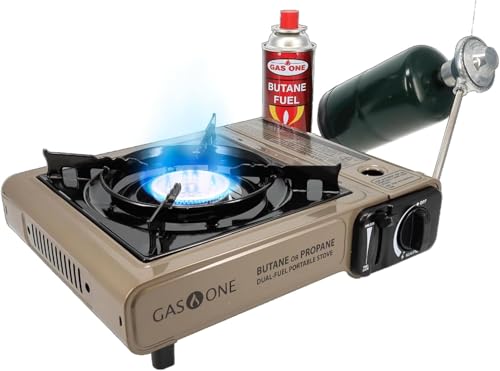
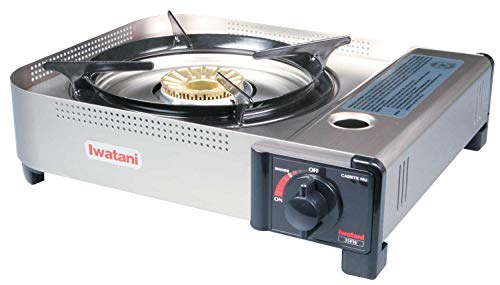
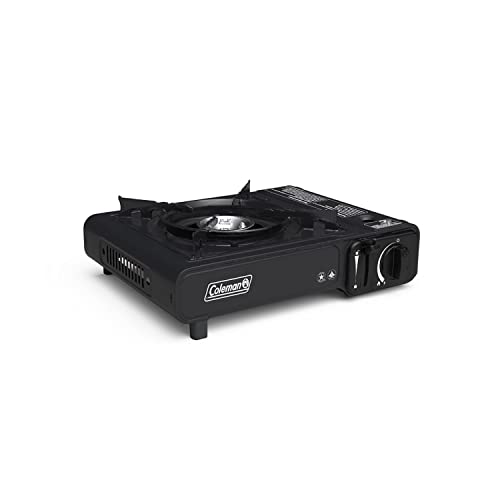
A butane gas stove is a portable cooking appliance that uses butane gas as its primary fuel source. These stoves are designed for outdoor use, making them ideal for camping trips, picnics, tailgating, and emergency situations. The stove typically consists of a burner assembly, a fuel intake mechanism, and a housing unit that holds a butane canister.
Butane stoves are renowned for their simplicity. Most models feature a single burner, though double-burner configurations exist for larger cooking needs. The fuel canister attaches directly to the stove, and ignition is usually achieved through a piezoelectric push-button system. This eliminates the need for matches or lighters, adding to the convenience factor.
When planning your outdoor kitchen setup, a butane stove pairs excellently with other essential gear. For instance, having a reliable camping kitchen table provides a stable cooking surface, while a camping coffee pot ensures you can brew your morning joe with ease. These complementary items create a complete outdoor cooking station that rivals your home kitchen.
The appeal of butane stoves extends beyond camping. Many households keep them as backup cooking solutions during power outages. Their compact size means they can be stored easily in apartments, RVs, and even car trunks. For those who enjoy outdoor stove top cooking, butane models offer a perfect balance of portability and performance.
How Does a Butane Stove Work?
Understanding the mechanics behind a butane gas stove helps you use it more effectively and safely. The operation is straightforward but relies on several key components working in harmony.
The Combustion Process
When you press the ignition button, a spark ignites the butane gas flowing from the canister. The gas mixes with oxygen in the burner chamber, creating a controlled flame. The intensity of this flame is regulated by a knob that controls the gas flow rate. This allows for precise temperature adjustments, from a gentle simmer to a rolling boil.
The Role of Pressure
Butane is stored in canisters under pressure. When the canister is connected to the stove, the pressure difference allows gas to flow into the burner assembly. It's important to note that butane performs best at moderate temperatures. In extremely cold conditions, butane may not vaporize efficiently, which is why 4-season camping enthusiasts often opt for alternative fuels or insulated canister holders.
Safety Mechanisms
Modern butane stoves incorporate several safety features. These include over-pressure protection systems that automatically shut off gas flow if the canister overheats. Some models also feature a locking mechanism that prevents accidental gas release when the canister is not properly seated. Always ensure your stove has these safety certifications before purchasing.
For those who enjoy a complete cooking setup, combining a butane stove with a portable camp kitchen creates an efficient cooking station. This is especially useful for extended trips where meal preparation becomes a significant part of the camping experience.
Key Benefits of Butane Camping Stoves
Butane stoves offer numerous advantages that make them a top choice for outdoor enthusiasts. Here's why they've become indispensable for many campers.
Exceptional Portability
Butane stoves are incredibly lightweight and compact. Most models weigh under 3 pounds and can fit into a small carrying case. This makes them ideal for backpacking, car camping, and even emergency kits. A good backpacking pack can easily accommodate a butane stove along with other essentials.
Instant Heat Output
Unlike charcoal or wood fires, butane stoves provide immediate heat. There's no waiting for coals to ignite or flames to build. This instant gratification is perfect for quick meals and hot beverages on chilly mornings.
Precise Temperature Control
The adjustable knob allows you to fine-tune the flame intensity. Whether you're simmering a sauce or boiling water rapidly, you have complete control. This precision is difficult to achieve with traditional campfires.
Clean Burning Fuel
Butane burns cleanly, producing minimal soot and odor. This means your cookware stays cleaner and your food tastes better. It's also more environmentally friendly compared to some alternative fuels.
Easy Operation
There's virtually no learning curve with butane stoves. Attach the canister, press the ignition, and you're ready to cook. This simplicity makes them accessible to beginners and experienced campers alike.
Cost-Effective Cooking
Butane canisters are widely available and generally affordable. The fuel efficiency of these stoves means a single canister can last for multiple meals, making them a budget-friendly option for regular campers.
When setting up your camp, consider pairing your butane stove with other convenience items. A collapsible camping sink makes cleanup easier, while an outdoor camping rug can define your cooking area and keep things organized.
Types of Butane Stoves Explained
Not all butane stoves are created equal. Understanding the different types helps you select the model that best fits your needs.
Single Burner Stoves
These are the most common and portable options. A single burner butane stove is perfect for solo campers or couples who need to prepare simple meals. They're lightweight, easy to store, and typically the most affordable option in the butane stove category. For those who prioritize minimalism, a single burner model paired with a small camp table creates an efficient cooking setup.
Double Burner Stoves
For families or groups, a double burner butane stove offers the ability to cook multiple dishes simultaneously. These stoves are larger and heavier but provide the convenience of a home kitchen range. They often feature independent controls for each burner, allowing for versatile meal preparation.
Built-in Ignition vs Manual
Modern butane stoves typically feature piezoelectric ignition, which uses a spring-loaded hammer to generate a spark. This eliminates the need for external ignition sources. Manual models require a match or lighter, which can be less convenient but often more reliable in wet conditions.
Specialty Models
Some butane stoves are designed for specific applications. For example, models with wind guards are ideal for exposed locations. Others feature non-slip bases for use on boats or uneven surfaces. There are even butane stoves designed to fit into specific outdoor cook station configurations, providing a seamless integration with your existing setup.
If you're looking to build a comprehensive cooking system, consider how your butane stove will interact with other equipment. A chef camp oven can complement your stove for baking needs, while a camp coffee maker ensures you never miss your morning brew.
Understanding Butane Fuel Canisters
The fuel canister is the lifeblood of your butane stove. Choosing the right canister and handling it properly is essential for safe and efficient operation.
Canister Sizes and Compatibility
Butane canisters come in various sizes, with the most common being 8 oz (227g) and 16 oz (454g). Most portable butane stoves are designed to accept standard-sized canisters with a universal bayonet fitting. However, it's crucial to verify compatibility before purchasing, as some stoves are designed for specific brands or canister types.
Fuel Quality Matters
Not all butane is created equal. Higher-purity butane burns cleaner and more efficiently. Some canisters contain a blend of butane and propane, which can improve performance in colder temperatures. If you frequently camp in cooler conditions, look for canisters labeled for cold-weather use or consider a stove that accommodates mixed fuels.
Storage and Handling
Butane canisters should be stored in a cool, dry place away from direct sunlight and heat sources. Never puncture or attempt to refill disposable canisters. When transporting canisters, keep them upright and secure to prevent damage to the valve. For extended trips, bring spare canisters and calculate your fuel needs based on the number of meals you plan to cook.
Understanding your fuel needs is part of broader camping preparation. Just as you'd plan for camp stove fuel for other stove types, calculating butane consumption helps ensure you don't run out mid-trip. A general rule is that one 8 oz canister provides approximately 1-2 hours of cooking time at medium heat.
How to Choose the Right Butane Stove
Selecting the perfect butane stove requires considering several factors. Here's a comprehensive guide to help you make an informed decision.
Consider Your Cooking Needs
Think about what you'll be cooking. If you're primarily boiling water for coffee and dehydrated meals, a simple single burner stove suffices. For more elaborate meals involving multiple pots and pans, a double burner model is worth the extra weight and size.
Evaluate Portability Requirements
Backpackers need the lightest option available, often under 1 pound. Car campers have more flexibility and can opt for larger, more feature-rich models. Consider how you'll transport the stove and whether it needs to fit into a specific compartment or bag.
Assess Build Quality
Look for stoves with sturdy construction. Stainless steel burners resist corrosion, while die-cast aluminum bodies offer durability without excessive weight. The pan support should be stable enough to hold your cookware securely. A well-built stove is an investment that will serve you for many camping seasons.
Safety Features to Prioritize
Ensure the stove has an over-pressure safety device and a secure canister locking mechanism. Some models also feature automatic shut-off if the flame goes out, preventing gas leaks. These features are non-negotiable for safe operation.
Ease of Use
Consider how easy the stove is to set up and operate. Piezoelectric ignition is convenient, but some campers prefer the reliability of manual lighting. The control knob should be easy to grip and adjust, even with gloves on.
When building your complete camping setup, consider how your butane stove integrates with other gear. A camping kitchen setup that includes a stove, prep surface, and storage creates an efficient cooking environment. For those who enjoy variety, having an ultralight backpacking stove as a backup for solo trips provides flexibility.
Essential Safety Guidelines for Butane Stove Use
Safety should always be your top priority when using any gas-powered appliance. Follow these guidelines to ensure a safe camping experience.
Proper Ventilation
Never use a butane stove in an enclosed space without adequate ventilation. Carbon monoxide is a colorless, odorless gas that can be deadly. Always cook outdoors or in well-ventilated areas. Even in a tent vestibule, ensure proper airflow.
Canister Connection
Before connecting the canister, inspect the O-ring seal for damage. A compromised seal can lead to gas leaks. Ensure the canister is securely locked into place before attempting to ignite the stove. Listen for the click of the locking mechanism.
Flame Monitoring
Never leave a lit stove unattended. Keep children and pets at a safe distance. If the flame goes out unexpectedly, turn off the gas immediately and wait for any accumulated gas to dissipate before attempting to relight.
Surface Placement
Place the stove on a stable, level, heat-resistant surface. Avoid using it on flammable materials like wooden picnic tables without a heat shield. An aluminum camping table provides a safe, stable cooking surface that won't be damaged by heat.
Canister Temperature
Keep canisters away from direct heat sources. In hot weather, store canisters in the shade. If a canister feels hot to the touch during use, turn off the stove and allow it to cool before continuing. Never attempt to cool a hot canister with water.
Emergency Preparedness
Have a fire extinguisher or fire blanket nearby when cooking. Know how to properly extinguish a grease fire (never use water). Familiarize yourself with basic first aid for camping in case of burns or other injuries.
Understanding fire safety extends beyond your stove. Knowing campfire safety rules and how to extinguish a campfire properly is essential knowledge for any camper. Even if you're primarily using a butane stove, these skills are valuable in emergency situations.
Butane vs Other Camping Stoves
Understanding how butane stoves compare to alternatives helps you make the best choice for your specific needs.
| Feature | Butane Stove | Propane Stove | White Gas Stove |
|---|---|---|---|
| Cold Weather Performance | Limited below freezing | Good | Excellent |
| Ease of Use | Very Easy | Easy | Moderate |
| Portability | Excellent | Good | Good |
| Heat Output | Moderate | High | Very High |
| Fuel Availability | Widely Available | Widely Available | Specialty Stores |
Butane vs Propane
Propane stoves offer better cold-weather performance and higher heat output. However, propane canisters are typically bulkier and heavier. Butane stoves win on portability and ease of use. For fair-weather camping, butane is often the more convenient choice.
Butane vs White Gas
White gas stoves excel in extreme conditions and at high altitudes. They require more maintenance and priming, making them less user-friendly for casual campers. Butane stoves offer instant gratification with minimal fuss.
Butane vs Alcohol Stoves
Alcohol stoves are ultralight and popular among ultralight backpackers. However, they produce less heat and are slower to boil water. Butane stoves provide faster cooking times and better temperature control.
Your choice of stove should align with your camping style. If you're primarily a fair-weather camper who values convenience, a butane stove is an excellent choice. For those who venture into extreme conditions, a good camping stove that handles diverse conditions might be more appropriate. Similarly, if you're into winter camping, you'll need to consider how your stove performs in cold temperatures.
Maintenance and Care Tips
Proper maintenance extends the life of your butane stove and ensures safe operation. Follow these simple tips to keep your stove in top condition.
Regular Cleaning
After each use, allow the stove to cool completely before cleaning. Wipe down the exterior with a damp cloth. Remove the burner cap and clean any debris from the burner ports using a soft brush. Avoid using abrasive cleaners that could damage the finish.
Inspect Seals and Connections
Periodically inspect the O-ring seal where the canister connects. Look for cracks, hardening, or other signs of wear. Replace the seal if any damage is detected. A faulty seal can lead to gas leaks and safety hazards.
Storage Best Practices
Store your stove in a dry, cool place. If the stove came with a carrying case, use it to protect against dust and damage. Remove the canister before storing the stove. Never store canisters attached to the stove for extended periods.
Dealing with Rust
If you notice rust on metal components, address it promptly. Light surface rust can be removed with fine steel wool. For more extensive rust, consider using a rust converter product. Keeping the stove dry and storing it properly prevents rust formation.
Taking care of your camping equipment is part of being a responsible camper. Just as you'd maintain your camping backpacks or other gear, regular stove maintenance ensures reliable performance when you need it most. For those who enjoy a complete outdoor kitchen setup, maintaining all your equipment—from your stove to your camping water container—keeps your adventures running smoothly.
Frequently Asked Questions
How long does a butane canister last?
A standard 8 oz butane canister typically provides 1 to 2 hours of cooking time at medium heat. This can vary based on the stove's efficiency and the heat setting used. For a weekend camping trip, bringing one or two spare canisters is usually sufficient.
Can I use a butane stove indoors?
Butane stoves are designed for outdoor use. Using them indoors, even in a garage or tent, poses serious carbon monoxide risks. If you must use one in an emergency indoors, ensure extreme ventilation and never leave it unattended.
Why does my butane stove not work in cold weather?
Butane has a boiling point of about 31°F (-0.5°C). Below this temperature, butane remains liquid and doesn't vaporize properly. To improve cold-weather performance, keep canisters warm in your sleeping bag or use a stove designed for mixed fuels.
Are butane canisters recyclable?
Most butane canisters are made of steel and are recyclable. However, they must be completely empty before recycling. Check with your local recycling facility for specific guidelines. Never puncture a canister to empty it faster.
Can I use a butane stove on a boat?
Yes, butane stoves can be used on boats with proper precautions. Ensure the stove is stable and won't slide with the boat's movement. Use it only in well-ventilated areas, preferably on deck. Store canisters safely when not in use.
What's the difference between butane and isobutane?
Isobutane is an isomer of butane with a lower boiling point, making it slightly better in cold weather. Many camping canisters use a blend of butane and isobutane, or butane and propane, to improve performance across temperature ranges.
Final Thoughts on Butane Gas Stoves
A butane gas stove is an invaluable addition to any camper's gear collection. Its combination of portability, ease of use, and reliable performance makes outdoor cooking a pleasure rather than a chore. Whether you're a casual car camper or a dedicated backpacker, a quality butane stove simplifies meal preparation and enhances your overall camping experience.
Remember to prioritize safety, choose the right model for your needs, and maintain your stove properly. With these practices in place, your butane stove will serve you faithfully for countless adventures.
For those looking to expand their outdoor cooking capabilities, consider exploring options like a portable butane stove for maximum portability, or a butane camping stove designed specifically for rugged outdoor use. Each variation offers unique advantages for different camping scenarios.