Basecamp Camping: Your Complete Guide to the Ultimate Outdoor Home Base
Discover how to choose the perfect basecamp tent, organize your gear, and create a comfortable, functional camp that serves as the foundation for all your outdoor adventures.
Explore Basecamp GearWhy Basecamp Camping? A well-designed basecamp transforms your camping experience from merely surviving the outdoors to truly thriving in it. Whether you're planning a family camping trip, a multi-day hunting expedition, or a weekend getaway with friends, your basecamp serves as the command center for meals, rest, and preparation. This guide covers everything from basecamp tent selection to camping storage and organization, helping you build a functional outdoor home that keeps you comfortable and ready for adventure.
What Defines a Great Basecamp?
A basecamp is more than just a tent—it's a complete outdoor living system. The best basecamps share several key characteristics: they're spacious enough to stand and move comfortably, organized for efficient meal preparation and gear access, and durable enough to withstand extended use. Unlike minimalist backpacking setups, basecamp camping prioritizes comfort and functionality, allowing you to bring larger tents, more cooking equipment, and additional furniture like comfortable camp chairs and camp kitchen tables.
The foundation of any great basecamp is a reliable shelter. Large cabin tents and 12-person basecamp tents with built-in LED lights have become increasingly popular because they offer room dividers, multiple doors, and integrated lighting. For those who prefer a more traditional approach, a 14-person 4-room base camp tent provides separate sleeping quarters and a central living area. If you're camping in cooler conditions, consider a four-season tent with a stove jack to extend your camping season.
Choosing the Right Basecamp Tent
Spacious Cabin Tents
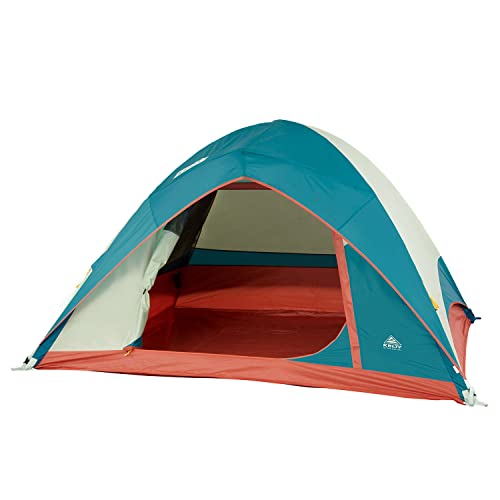
Mid-range to Premium Cabin tents offer vertical walls and near-vertical ceilings, making them ideal for basecamp setups. Look for models with room dividers, such as the 12-person 3-room instant cabin tent or the 10-person instant cabin tent with a private room. These tents typically feature pre-attached poles for quick setup and large windows for ventilation.
Instant Setup Convenience
Entry-level to Mid-range If you want to spend less time setting up and more time enjoying camp, instant tents are a game-changer. The 8-person instant cabin tent with built-in LED lights and the 6-person instant cabin tent with awning are excellent choices. They set up in under two minutes and often include features like integrated lighting and weatherproof screen rooms.
When selecting your basecamp tent, consider the number of campers, the amount of gear you'll store inside, and the climate you'll be camping in. A 10-person cabin camping tent with an enclosed weatherproof screen room provides a bug-free sitting area, while a 12-person tent with a screened-in porch offers a versatile space for dining or relaxing. For larger groups, a giant family tent with rooms and a living room creates a true home away from home.
Essential Basecamp Gear & Comfort Items
Once your shelter is sorted, focus on the gear that makes your basecamp functional and comfortable. A proper basecamp kitchen is essential—consider bringing a camp kitchen table, a camping coffee maker, and a cooler bag or a cooler that keeps things cold for days. For sleeping comfort, invest in a camping air bed or a camping sleeping pad—your back will thank you after a long day of hiking or fishing.
Organization is critical at basecamp. Use camping storage and organization solutions like stackable bins, hanging organizers, and a camping towel for quick-dry convenience. Lighting also plays a major role: a camping lantern or a camping light keeps your basecamp functional after dark. For extended trips, a camping power bank or a portable power station ensures your devices stay charged.
Don't overlook comfort items that make your basecamp feel like home. A comfortable sleeping bag for camping and a camping pillow improve sleep quality significantly. If you're camping in cold weather, a camping electric blanket or a diesel heater for a rooftop tent can extend your season. For families, a camping toilet and a pop-up privacy tent add convenience and privacy.
Basecamp Tent Comparison by Tier
| Tier | Typical Features | Best For | Example Models |
|---|---|---|---|
| Entry-level | Basic weather protection, simple pole setup, fewer room dividers | Weekend campers, fair-weather trips | 6-person tent with screen room |
| Mid-range | Instant setup, built-in LED lights, room dividers, improved ventilation | Families, regular campers, multi-day trips | 10-person instant cabin tent with LED lights |
| Premium | Multiple rooms, full rainfly, weatherproof screen rooms, heavy-duty fabrics | Extended basecamping, large groups, harsh conditions | 12-person 3-room instant cabin tent with screen room |
| Luxury | 4+ rooms, 4 entrances, built-in lighting, premium materials, stove jacks | Glamping, long expeditions, ultimate comfort | 14-person 4-room base camp tent |
Setting Up Your Basecamp Like a Pro
Location matters. Choose a flat, well-drained area away from dead trees and low spots where water might pool. Position your tent so the door faces away from prevailing winds, and use a dining fly or a canopy tent with sides to create a covered communal area. If you're camping on a platform, follow our guide for setting up a tent on a platform. For beach camping, check out tips for setting up a tent on the beach.
Organize your basecamp into zones: sleeping area, kitchen and cooking zone, and a relaxation or dining area. Keep food storage rules in mind—store food in sealed containers or a cooler for camping away from your sleeping area. Use a dry bag for clothes and electronics, and set up a camping storage and organization system with clearly labeled bins. If you're camping with dogs, review our camping with dogs in a tent guide for additional setup tips.
Lighting your basecamp efficiently makes evening activities safer and more enjoyable. String 12-volt LED rope lights around your main area, or use a 12-volt LED strip light for ambient illumination. A camping lantern with adjustable brightness is perfect for the picnic table, while a headlamp is ideal for walking to the bathroom or camping toilet at night.
Basecamp Cooking: Meals That Bring Campers Together
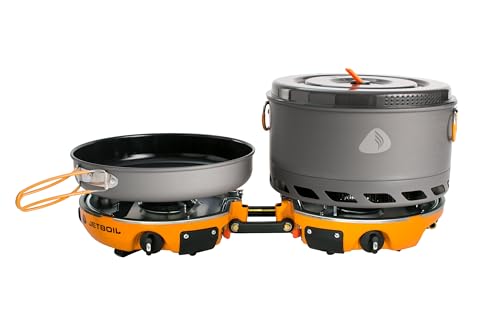
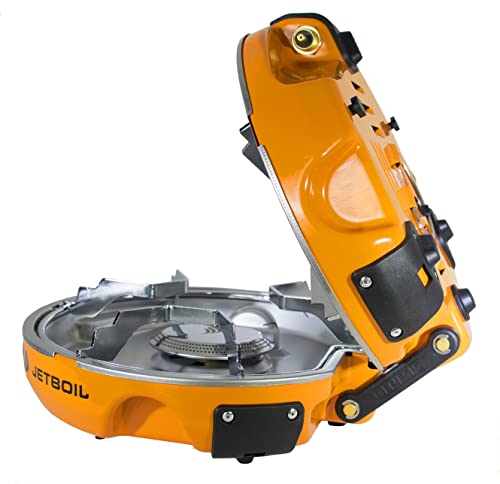
One of the greatest joys of basecamp camping is cooking and sharing meals outdoors. Start your morning with a camping coffee maker and a hearty camping breakfast. For dinner, explore food to cook over a fire—everything from foil packets to cast-iron skillet meals. A camping kettle and a camping cookware set are basecamp essentials, and a camping cooler keeps perishables fresh for days.
If you're looking to simplify, freeze-dried camping food has improved dramatically in recent years—many options are now genuinely delicious. For a fun evening activity, try food to cook over a fire on a stick like marshmallows, hot dogs, or doughboys. And don't forget the camping mugs for hot cocoa or coffee around the fire.
Basecamp Safety and Regulations
Safety should always be a priority at basecamp. Follow campfire safety rules and know how to extinguish a campfire properly. Check for any fire ban in effect before you leave home, and practice wildfire prevention at all times. Keep a camping first aid kit accessible and review common camping injuries so you're prepared to handle minor incidents.
Wildlife safety is another critical consideration. Follow food storage rules to avoid attracting animals, and if you're camping in bear country, review how to store food from bears. Carry bear spray where legal and know how to use it. For emergency preparedness, consider carrying a camping communication device such as a satellite communicator or a power bank to keep your phone charged.
Always check local regulations before setting up your basecamp. BLM camping rules, national park rules, and state park rules vary significantly by location. Follow Leave No Trace principles to minimize your impact, and observe quiet hours to respect other campers. If you're camping with dogs, check camping with dogs rules for pet policies.
Best Basecamp Destinations
Some destinations are particularly well-suited for basecamp camping. State parks like Crystal Cove State Park and Doheny State Beach offer developed campgrounds with amenities that make basecamping easy. For a more rugged experience, consider Big Bend camping in Texas or Adirondacks camping in New York. If you're on the West Coast, Yosemite camping and Joshua Tree camping provide stunning backdrops for your basecamp.
For those who prefer lakefront basecamps, Devils Lake camping in Wisconsin and lake camping in general offer excellent water access. Beach campers should explore Assateague National Seashore or California beach camping. And if you're looking for a basecamp with hookups, Lake District campsites with electric hookups provide convenience for tent campers.
Basecamp Camping FAQ
What size tent do I need for a basecamp?
For a family of four, a 6- to 8-person tent provides comfortable space. For larger groups or extended stays, consider a 10- to 14-person cabin tent with room dividers. See our guide on how to choose tent size for detailed recommendations.
How do I keep my basecamp organized?
Use stackable bins, hanging organizers, and a camp kitchen table with storage. Label bins by category (kitchen, clothing, tools) and establish a "home" for every item. Our camping storage and organization guide has more tips.
Can I use a basecamp tent for winter camping?
Yes, but you'll need a four-season tent or a four-season tent with a stove jack. Winter basecamping requires additional gear like a diesel heater and winter sleeping bags. See our winter camping guide for details.
What's the difference between basecamp camping and backpacking?
Basecamp camping prioritizes comfort and allows you to bring more gear since you're not carrying everything on your back. Backpacking is minimalist and mobile. If you're new to backpacking, start with our backpacking for beginners guide.
Pro Tip: Before your first basecamp trip, do a practice setup in your backyard. This helps you identify missing gear, test your tent's setup process, and refine your organization system. Check out our camping checklist to make sure you don't forget anything essential.