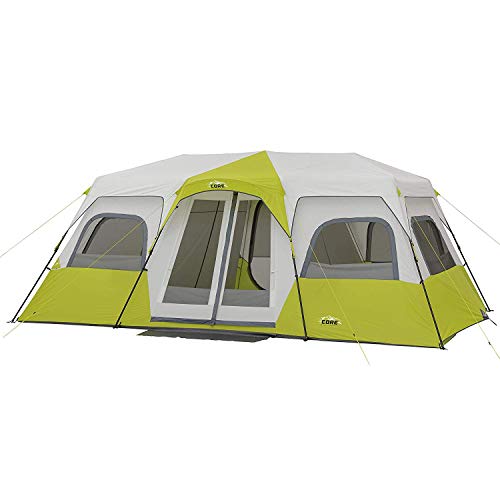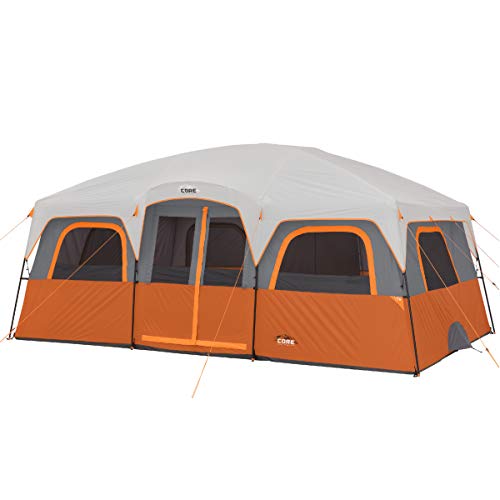
12-Person Basecamp Tent with Built-in LED Lights: The Ultimate Family Camping Shelter
Discover the unparalleled convenience and space of a 12-person basecamp tent featuring integrated LED lighting. Designed for large families, group outings, and extended basecamp adventures, these tents eliminate the hassle of external lanterns and provide a true home-away-from-home experience in the great outdoors.
EXPLORE RECOMMENDED TENTSKey Takeaway: A 12-person basecamp tent with built-in LED lights merges massive interior space with modern convenience. The integrated lighting system, powered by a battery pack or portable portable power station, provides hands-free illumination for the entire shelter, making late-night card games, gear organization, and midnight exits effortless.
Why Choose a 12-Person Basecamp Tent with LED Lights?
The primary advantage of this tent style is the seamless integration of shelter and illumination. Unlike traditional setups where you must hang multiple camping lanterns from the ceiling loops, these tents feature diffused LED strips embedded along the roof or pole structure. A single control switch, often a wall-mounted panel or a remote, manages zones or brightness levels. This is a game-changer for establishing a comfortable, centralized basecamp. For large groups, a spacious camping tent like this becomes the social hub, and consistent, shadow-free lighting significantly enhances the experience.
The "basecamp" designation means these tents are built for more than just sleeping. With a capacity of 12 people, you realistically have generous room for 6-8 campers with gear, cots, and a communal area. The high ceiling height, typical of a cabin-style design, allows most adults to stand upright and change clothes without stooping, a vital feature for multi-day trips. You can easily arrange multiple camping cots or large air mattresses without sacrificing central floor space. Families often bring along camping blankets and camping pillows to enhance the home-like feel, creating a true outdoor living room.
Traditional Tent + Lantern Setup
- Requires multiple D-cell or rechargeable camping lights
- Shadows and dark corners are common
- Lanterns take up floor or hanging space
- Risk of running out of batteries individually
Integrated LED Basecamp Tent
- Uniform, ceiling-wide illumination
- Single power source for the entire light system
- Remote or wall-controlled with multiple brightness settings
- No extra hanging gear cluttering the tent interior
Key Features to Look For
LED System & Power
Look for three brightness levels (Low, Medium, High) and a diffused strip design for even lighting. Most systems run on a dedicated battery pack (often 4-8 D batteries) or include a USB port for a supplemental camping power bank. Check the estimated run time on high – it should last at least 48 hours. This is far more energy-efficient than running separate string lights.
Room Configuration & Space
A smart 12-person layout usually includes a main living area and one or two removable room dividers. This creates a "3-room" setup: a central common space and two private sleeping quarters. This allows you to store camping essentials, cookware, and personal items in an organized manner, separating the living zone from the sleeping area.
Build Quality & Weather Protection
A robust frame with a sturdy camping tarp-style bathtub floor and fully taped seams is non-negotiable. The tent must withstand significant wind loads due to its size. Look for a rainfly that extends fully to the ground. Properly securing the tent with guy lines, much like you would for a tent setup on snow, is critical for stability in any weather.
Ventilation & Setup Ease
Given the large internal volume, multiple large mesh windows and ground vents are essential to prevent condensation. An instant or fast-pitch hub system makes raising a tent of this scale manageable for two people. The simplicity contrasts sharply with the complexity of setting up a wall tent with logs, making it accessible for families and casual campers.
The durability of these tents is significantly influenced by the fabric. Most models use a sturdy polyester with a hydrostatic head rating of at least 1500mm. The denier of the fabric affects tear strength, so a 150D or higher flysheet is advisable for a tent that will be a long-term camping asset. You'll want to understand how long tents last to justify the premium price of these high-end basecamp models. Investing in a quality footprint will also extend the life of the sewn-in floor considerably.
Ideal Camping Scenarios & Configuration
This tent type is overkill for a solo hiker but shines in specific contexts. It's the perfect core structure for a group camping checklist trip, a multi-family gathering, or a week-long static basecamp at a lakeside destination. The integrated light is particularly useful for organizing a comprehensive camping food packing list after dark or playing board games during inclement weather. If you're enjoying a beach camping trip, the spacious vestibules and interior room allow a clean separation from sandy gear. For those exploring various camping modalities, it offers a luxury alternative to a glamping guide experience without needing a permanent structure.
For your packing strategy, you can forgo individual headlamps for use inside the tent. Instead, use the freed-up space and weight for more comfortable items like a full-size camping sofa or a dedicated camping cooler station. The immense internal square footage allows you to erect a full-scale camping kitchen setup inside the screen room area of many of these tents, protected from wind and bugs. You can even place a compact camping stool and table for a dedicated coffee corner.
Pro Setup Tip: Before your first trip, do a backyard pitch. This not only familiarizes you with the frame and the LED wiring harness but also lets you apply seam sealer if needed. The price range for a quality 12-person basecamp tent with built-in LEDs is typically $800–$2,500, so it’s a serious investment that demands proper care and understanding.
Maintaining Your LED Basecamp Tent
The electronic component requires specific care. Always disconnect the battery pack when the tent is not in use to prevent phantom drain and corrosion. When breaking camp, carefully route the wiring along the pole sleeves to avoid pinching or stretching the delicate cables. If the LED strip is attached to a specific ceiling panel, ensure that panel is clean and dry before folding it away. Store the entire tent and light kit in a dry, temperature-controlled environment to prevent mold on the canvas and degradation of the electronic control module.
For campers seeking a massive communal space that simplifies their lighting strategy, this category represents the pinnacle of current tent technology. You get a robust shelter, a lighting system, and a versatile living configuration all in one package. The convenience factor is exceptional for established campgrounds with rv camping amenities or wild terrain where you need a dependable home base from which to launch daily adventures.