Food to Cook Over a Fire on a Stick
From classic s'mores to savory sausages and creative dough twists—master the art of campfire skewer cooking with our complete guide.
START COOKINGCampfire Cooking Philosophy: There is something primal and deeply satisfying about cooking food over an open flame. Whether you are a seasoned camper or trying it for the first time, the stick method is the most accessible and fun way to prepare a meal outdoors. It requires minimal equipment, encourages creativity, and brings people together around the fire.
Why Cook Food on a Stick?
Cooking on a stick is one of the oldest and most universal methods of preparing food over a fire. It requires almost no specialized equipment—just a sturdy stick and a heat source. This simplicity makes it perfect for first-time campers and seasoned outdoors enthusiasts alike. Beyond convenience, stick cooking offers a unique advantage: the ability to control exactly how close your food sits to the flame. You can rotate, raise, or lower your skewer to achieve the perfect char without burning. It also eliminates the need for heavy camping cookware, making it ideal for minimalist trips.
Beyond practicality, there is an undeniable social element. Gathering around a fire with a stick in hand sparks conversation, laughter, and a shared sense of accomplishment. It turns a simple meal into an experience. For those who enjoy wild camping or backcountry camping, this method is often the only viable way to cook a hot meal without carrying a stove. As you plan your next trip, consider how stick cooking can simplify your camping supplies list while enhancing the overall adventure.
The Best Foods to Cook Over a Fire on a Stick
Almost any food that can be skewered and heated will work, but some are far better suited than others. The ideal candidates are firm enough to stay on the stick, cook relatively quickly, and benefit from a bit of char. Below we break down the top categories, from classic treats to hearty mains.
Classic Sweets & Desserts
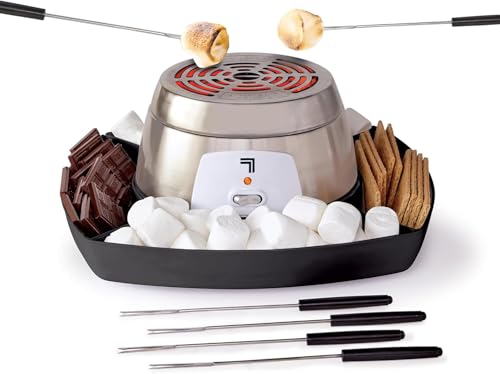
No campfire is complete without marshmallows. Toasted to golden brown or burnt to a crisp, they are the quintessential stick food. For a more elaborate treat, wrap biscuit dough around the end of a stick and roast it until golden—then slide it off and fill the hollow center with butter, jam, or chocolate. This is the classic "campfire cone" or "doughboy." Another favorite is the s'more, where a roasted marshmallow is sandwiched between graham crackers and a chocolate square. These desserts are so popular that they often feature in winter hot drinks recipes and cozy outdoor gatherings.
Savory Meats & Proteins
Hot dogs and sausages are the undisputed kings of savory stick cooking. Their casing holds them together, and they cook quickly over an open flame. For a more substantial meal, cube beef, chicken, or pork and thread them onto a skewer, alternating with vegetables like bell peppers and onions. Shrimp also cook remarkably fast on a stick and take on a wonderful smoky flavor. If you are planning a fishing trip, consider bringing along your fly fishing gear or steelhead fishing gear and cook your fresh catch on a stick for the ultimate outdoor meal.
Vegetables & Plant-Based Options
Vegetables like cherry tomatoes, mushrooms, zucchini chunks, and parboiled potatoes work beautifully on a skewer. Halloumi cheese is a revelation—it holds its shape when heated and develops a delicious crispy exterior. For a plant-based protein, try marinated tofu or tempeh cubes. These options are perfect for those who follow a vegetarian diet but still want to enjoy the communal experience of campfire cooking. When preparing these, remember to use a campfire safety rules approach to avoid cross-contamination with raw meats.
Breads & Doughs
Beyond biscuits, you can wrap crescent roll dough around a stick for a flaky, buttery treat. Cinnamon rolls also work surprisingly well—the outside caramelizes while the inside stays gooey. If you are feeling ambitious, you can even make a simple flatbread by wrapping dough around a stick and cooking it until it puffs up and browns. These dough-based foods are excellent for camping with kids because they are interactive and forgiving.
Techniques for Perfect Stick Cooking
Mastering the art of cooking on a stick is about understanding heat and distance. The flames themselves are not ideal for most foods—they will burn the outside before the inside is cooked. Instead, aim for the glowing embers or coals. These provide a steady, radiant heat that cooks food evenly. Hold your stick about 6 to 8 inches above the coals, rotating frequently. This is the secret to a perfectly toasted marshmallow and a juicy sausage. If you are cooking in wet conditions, you may need to how to extinguish campfire properly after you finish, ensuring the fire is completely out.
Another key technique is preparation. Cut ingredients into uniform, bite-sized pieces so they cook at the same rate. If you are using wooden sticks, soak them in water for at least 30 minutes before use to prevent them from catching fire. This is especially important when cooking over a winter campfire where the heat is more intense. For a more stable cooking experience, consider using a forked stick or a metal skewer with a handle. Always have a camping first aid kit nearby in case of minor burns or cuts.
Choosing the Right Stick for the Job
Not all sticks are created equal. The best sticks come from green (living) hardwood trees like maple, oak, hickory, or willow. These woods are dense, don't splinter easily, and don't impart unwanted flavors. Avoid softwoods like pine, cedar, or spruce—they contain resins that can spark, catch fire, and give your food a chemical taste. Never use pressure-treated lumber, painted wood, or any wood that has been stained or sealed, as these release toxic fumes when heated. A good stick should be about 3 to 4 feet long, with a diameter of about 1/2 to 1 inch. It should be straight and sturdy, with a slight fork at the end if possible to hold food in place. You can also purchase reusable metal skewers, which are more durable and easier to clean. If you are camping in a state park or national park, check local regulations about gathering wood, as some areas prohibit it.
Safety and Preparation Tips
Safety should always be your top priority when cooking over an open fire. Keep a bucket of water or a fire extinguisher nearby. Never leave the fire unattended, and make sure children are supervised at all times. Use heat-resistant gloves to handle hot sticks and metal skewers. If you are cooking with raw meat, keep it in a cooler until you are ready to cook it, and use a separate plate for cooked food. Proper food storage is critical—follow food storage rules to avoid attracting wildlife, especially in bear country. For more comprehensive guidance, review our campfire safety rules. If you are camping in an area with fire restrictions, always check the fire ban guide before lighting any flames.
Cleaning Up After Stick Cooking
After the meal, proper cleanup is essential to leave no trace. If you used wooden sticks, you can simply burn them in the fire or dispose of them in a designated trash receptacle. Metal skewers should be washed with hot, soapy water and dried thoroughly to prevent rust. Any food scraps should be packed out, not left behind. This is a core principle of Leave No Trace ethics. Make sure the fire is completely extinguished before you leave the site. If you are camping in a quiet hours camping area, be mindful of noise levels as you clean up.
Creative Recipe Ideas to Try
Once you have mastered the basics, you can start experimenting. Try wrapping bacon around a sausage and cooking it on a stick for a "bacon-wrapped hot dog." Thread chicken cubes, pineapple, and bell peppers for a Hawaiian-style skewer. For dessert, dip a roasted marshmallow in melted chocolate and crushed graham crackers. You can also make a "campfire cinnamon roll" by wrapping dough around a stick and sprinkling it with cinnamon sugar. The possibilities are endless, limited only by your imagination and the ingredients you bring. For more inspiration, explore our camping meals section.
Frequently Asked Questions
What is the best food to cook over a fire on a stick?
The best foods are those that hold their shape and cook evenly. Classic choices include marshmallows, hot dogs, sausages, and biscuit dough. For more adventurous options, try cubed steak, shrimp, or halloumi cheese.
What kind of stick should I use for campfire cooking?
Use a clean, green (living) hardwood stick like maple, oak, or hickory. Avoid softwoods like pine or cedar, which can spark and impart a resinous flavor. Never use pressure-treated lumber or painted wood, as they release toxic chemicals.
How do I prevent food from falling off the stick?
For items like marshmallows or dough, pierce them through the center and slide them to a thicker part of the stick. For meats and vegetables, skewer them tightly together. Using a forked stick or double-pronged metal skewer also helps secure the food.