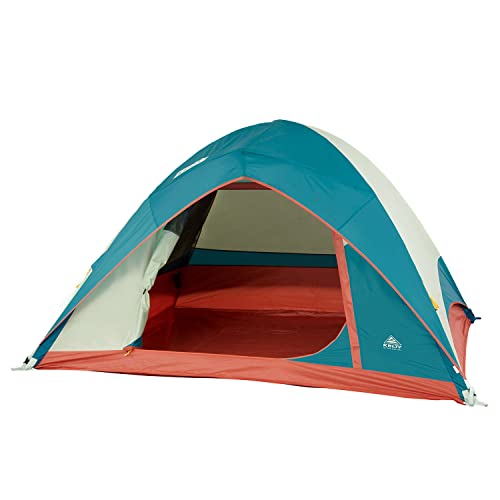
The Ultimate Guide to Basecamp Tents
Discover how a spacious basecamp tent can transform your group camping experience, providing a comfortable and organized home away from home for your entire crew.
EXPLORE BASECAMP TENTSWhat Is a Basecamp Tent?
A basecamp tent is a large, spacious shelter designed to serve as a central hub for group camping trips. Unlike lightweight backpacking tents, basecamp tents prioritize space, comfort, and durability over portability. They are ideal for base camping scenarios where you establish a single campsite and venture out for day hikes or activities.
These tents often feature multiple rooms, standing height ceilings, and robust weather protection, making them perfect for families, scout groups, and expedition teams. If you're new to this style of camping, understanding the difference between a basecamp tent and a standard camping tent is essential for making the right choice.
Why Choose a Basecamp Tent?
Ample Space
With capacities ranging from 6 to 20 people, basecamp tents offer room for sleeping quarters, gear storage, and even a communal living area.
Standing Height
Most basecamp tents allow adults to stand upright, making it easier to change clothes, move around, and organize your camp.
Weather Protection
Built with durable materials and robust rainflies, these tents are designed to withstand extended exposure to the elements.
Organization
Multiple rooms and storage pockets help keep your group organized and comfortable throughout your trip.
Key Features to Consider
When selecting a basecamp tent, evaluate the following features to ensure it meets your group's needs:
- Capacity: Choose a tent that comfortably accommodates your group size, plus extra space for gear. Models like a 12-person tent or a 10-person cabin tent are popular for large groups.
- Room Configuration: Some tents offer a single open space, while others feature multiple rooms for privacy.
- Setup Style: Instant cabin tents set up in minutes, while traditional pole tents may take longer but offer a more classic feel.
- Weather Resistance: Look for tents with a high hydrostatic head rating, taped seams, and a full-coverage rainfly. For wet climates, consider a tent with a full rain fly.
- Ventilation: Mesh panels and vents prevent condensation and keep the interior comfortable. A screen room adds extra bug-free living space.
- Durability: Materials like polyester and nylon are common; learn more about which is better for tents.
- Additional Features: Built-in LED lights, like those in a basecamp tent with built-in LED lights, add convenience after dark.
Popular Basecamp Tent Styles
The market offers several distinct styles of basecamp tents, each with its own advantages:
- Cabin Tents: These feature straight walls and a nearly vertical profile, maximizing interior space. Examples include the 10-person instant cabin tent with private room and the 8-person instant cabin tent with built-in LED lights.
- Dome Tents: Lighter and more aerodynamic, dome-style basecamp tents like the 6-person dome tent with screen room are great for windy conditions.
- Multi-Room Tents: For ultimate organization, consider a 12-person 3-room instant cabin tent or a 14-person 4-room base camp tent.
- Screen Houses: A 2-in-1 screen house connectent offers a versatile shelter that can be used as a standalone screen room or attached to a tent.
How to Choose the Right Size
Selecting the correct capacity is crucial for comfort. As a rule of thumb, divide the tent's stated capacity by two for comfortable sleeping space if you have gear. For example, a 10-person tent is ideal for a group of four to five campers with gear.
Consider the following capacities based on group size:
- Small Groups (2-4 people): A 4-person dome tent or a 6-person tent with screen room offers a good balance of space and packability.
- Medium Groups (5-8 people): Look for an 8-person instant hexagon tent or a 8-person L-shaped connectent.
- Large Groups (9+ people): A 12-person tent with screened-in porch or a 20-person tent with private rooms provides ample space for everyone.
Setup and Maintenance Tips
Proper setup and care will extend the life of your basecamp tent and ensure a comfortable trip:
- Choose a Level Site: Clear the area of rocks and debris before pitching your tent. For platform camping, review our guide on setting up a tent on a platform.
- Practice at Home: Set up your tent in your backyard before your trip to familiarize yourself with the process. If you need a quick option, consider an easy-to-set-up 6-person tent.
- Weatherproofing: Apply a seam sealer to the tent's seams and consider a footprint to protect the floor. Learn how to set up a tent in the rain to keep your gear dry.
- Ventilation: Keep vents open to reduce condensation, even in cooler weather. This is especially important when camping in a tent in cold weather.
- Cleaning and Storage: Clean and thoroughly dry your tent before storing it to prevent mildew. Store it loosely in a cool, dry place.
Frequently Asked Questions
What is the difference between a basecamp tent and a regular tent?
A basecamp tent is significantly larger, heavier, and designed for extended stays at a single location. Regular tents, like backpacking tents, prioritize low weight and packability.
Can I use a basecamp tent for backpacking?
Generally, no. Basecamp tents are too heavy and bulky for backpacking. For backpacking, you'll want a lightweight option like a 2-person backpacking tent or a bikepacking tent.
How many people can a basecamp tent sleep?
Basecamp tents range from 4-person models to massive 20-person tents. The ideal capacity depends on your group size and how much gear you bring.
Are basecamp tents good for winter camping?
Some are. You'll need a 4-season tent with a stove jack for extreme conditions. For general winter use, a sturdy 3-season tent with a good rainfly and a winter camping heater can work.
What is the best material for a basecamp tent?
Polyester and nylon are the most common materials. Polyester is more UV-resistant, while nylon is stronger and lighter. Both can be treated for water resistance. You can read more about nylon vs. polyester for tents.
Ready to find your perfect basecamp tent? Explore our curated selection of top-rated models below to start your next group adventure with confidence.