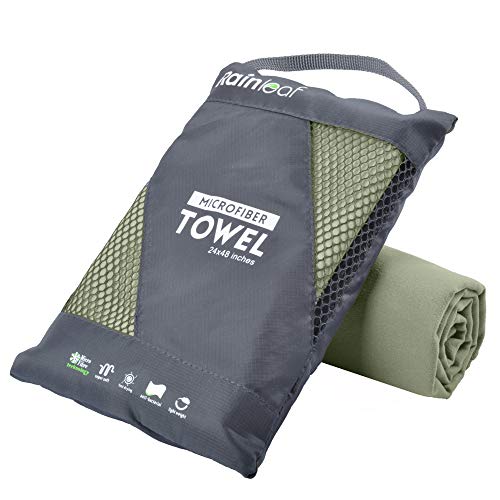
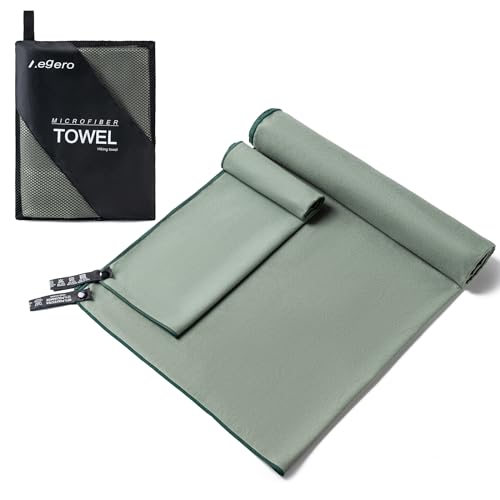
Camping Towel Guide: Quick-Dry, Compact & Lightweight Options
Discover the best camping towel for your pack. Learn about quick-dry fabrics, compact sizes, and absorbency for backpacking and outdoor trips.
VIEW CAMPING CHECKLISTWhy a Specialized Towel Matters: A standard cotton towel is heavy, takes forever to dry, and can become a breeding ground for mildew in your pack. A quality camping towel is one of the simplest upgrades you can make for a lighter, more hygienic, and more enjoyable outdoor experience.
Why You Need a Dedicated Camping Towel
When you are preparing for a camping trip, whether it's a weekend base camping adventure or a multi-day trek, every item in your pack serves a purpose. The towel is no exception. Unlike the plush cotton towels you use at home, a camping towel is engineered for performance in the outdoors. Its primary job is to dry you off quickly, then dry itself even faster so it can be packed away without soaking your other gear.
Standard towels are bulky and retain water, which adds significant weight to your camping backpack. In a damp environment, they can stay wet for hours, promoting bacterial growth and unpleasant odors. A specialized towel, often made from microfiber or other synthetic materials, solves these problems. It is lightweight, highly absorbent, and dries in a fraction of the time. For anyone serious about camping storage and organization, a quick-dry towel is a non-negotiable item.
Key Materials: Microfiber, Bamboo, and More
The performance of a camping towel is largely determined by its material. Understanding the differences will help you choose the right one for your needs.
Microfiber Towels
Microfiber is the most common and popular choice for outdoor enthusiasts. It is a synthetic fiber, typically a blend of polyester and polyamide, woven into incredibly fine threads. This structure creates millions of tiny loops that trap water, dirt, and bacteria. The benefits are clear:
- Exceptional Absorbency: Microfiber can absorb several times its own weight in water.
- Ultra-Fast Drying: It dries up to 10 times faster than cotton. A quick wring and a few minutes in the sun or breeze are often enough.
- Lightweight and Compact: It packs down very small, making it ideal for backpacking.
- Durability: It is tough and holds up well to repeated use and washing.
Microfiber towels are available in various textures. Some have a smooth, suede-like feel, while others have a terry-cloth loop for a more traditional towel feel. For general camping, a mid-range microfiber towel offers the best balance of comfort and performance.
Bamboo Towels
Bamboo towels are a more natural, eco-friendly alternative. They are made from bamboo fiber, which is naturally antibacterial, hypoallergenic, and odor-resistant. They are soft to the touch and highly absorbent. However, they typically take longer to dry than microfiber and may not be as durable over the long term. They are a good choice for car campers or those who prioritize natural materials.
Cotton-Synthetic Blends
Some towels use a blend of cotton and synthetic fibers to offer a more traditional feel with improved drying times. These are a compromise. They are more comfortable than pure microfiber for some users but still bulkier and slower to dry than a high-quality synthetic towel. For serious outdoor use, pure microfiber remains the top recommendation.
Features to Look For in a Camping Towel
Beyond the material, several design features can significantly impact your experience. When comparing options, consider these key attributes.
Size and Shape
Camping towels come in a range of sizes, from small hand towels to large bath sheets. The right size depends on your intended use:
- Small (Hand Towel): Ideal for wiping your face, hands, or drying dishes. It is extremely packable.
- Medium (Face/Travel Towel): A good multi-purpose size for drying off after a quick rinse or sponge bath.
- Large (Bath Towel): Best for a full-body dry after a swim or shower. It is bulkier but provides more coverage.
For backpacking, a medium or even small towel is often sufficient. For car camping or beach camping, a larger size is more convenient.
Absorbency and Drying Time
These two factors are often a trade-off. A thicker, more plush towel may feel more absorbent, but it will also take longer to dry. A thinner, smoother towel may feel less absorbent initially but will dry much faster. For most camping applications, prioritizing fast drying is the smarter choice, as a damp towel is a useless and potentially problematic item.
Packability and Weight
Look for towels that come with their own stuff sack or have a design that allows them to be compressed. The weight of a towel is directly related to its size and material. A high-quality microfiber towel will be significantly lighter than a cotton towel of the same size. For backpackers, every ounce counts, so a lightweight option is crucial. You can learn more about optimizing your pack weight in our guide to camping backpacks.
Special Features
Some towels come with added features like a hanging loop (essential for drying), a snap loop to keep it rolled up, or an antimicrobial treatment to prevent odors. These small details can make a big difference in convenience and hygiene.
Understanding Camping Towel Tiers
Camping towels are available at different quality and performance levels. Here is a breakdown of what to expect from each tier.
- Entry-Level: These towels are budget-friendly and are a good starting point for occasional campers. They are typically made from basic microfiber and offer decent absorbency. They may be less durable and may not dry as quickly as higher-tier options, but they are a vast improvement over a cotton towel.
- Mid-Range: This is the sweet spot for most campers. Mid-range towels are made from higher-quality microfiber, often with a softer feel. They offer an excellent balance of absorbency, fast drying time, and durability. They often come with a stuff sack and a hanging loop. For a versatile option that works for everything from car camping essentials to backpacking, a mid-range towel is a wise investment.
- Premium: Premium towels are designed for serious outdoor enthusiasts and frequent travelers. They use advanced microfiber technologies that are incredibly soft, highly absorbent, and dry almost instantly. They are often lighter and more compact than mid-range options. These towels are built to last and can withstand years of heavy use.
When choosing, consider how often you camp and what conditions you will be in. A casual camper may be perfectly happy with an entry-level or mid-range towel, while a thru-hiker will benefit from the performance of a premium model.
How to Care for Your Camping Towel
To ensure your camping towel lasts for many seasons, proper care is essential. The good news is that it is very low-maintenance.
- Washing: Machine wash your towel with like colors on a gentle cycle. Avoid using fabric softeners or bleach, as these can clog the fibers and reduce absorbency. A mild detergent is all you need.
- Drying: While you can tumble dry on low, the best way to dry a camping towel is to hang it up. It will air-dry very quickly. Avoid high heat, which can damage the fibers over time.
- Storage: Always store your towel completely dry. Storing it damp can lead to mildew and odors. Once it's dry, you can roll it up and store it in its stuff sack.
With minimal care, a quality camping towel will remain a reliable piece of your gear for years. It is an essential item for personal hygiene and comfort, whether you are at a developed campground or deep in the backcountry.
Frequently Asked Questions
Are microfiber towels better than cotton for camping?
Yes, for almost all camping scenarios, microfiber towels are superior. They are lighter, more absorbent, and dry much faster than cotton. This is critical for backpacking and for preventing mildew in your gear. A cotton towel is heavy, bulky, and stays damp for a long time.
How do I keep my camping towel from smelling bad?
The key is to dry it thoroughly after each use. Microfiber towels are naturally resistant to odor-causing bacteria, but they can still develop a smell if stored damp. Always wring it out well and hang it to dry in the sun or breeze before packing it away. If it does get a smell, a wash with a mild detergent will restore it.
Can I use a camping towel for drying dishes?
It's best to use a separate, smaller towel for dishes for hygiene reasons. However, in a pinch, a clean camping towel can be used. Make sure to wash it thoroughly afterward if you've used it on your body.
What size camping towel is best for backpacking?
For backpacking, a medium or small towel is usually the best choice. It provides enough coverage for a quick dry-off without adding excessive weight or bulk to your pack. A small towel is often sufficient for just wiping down your face and body.