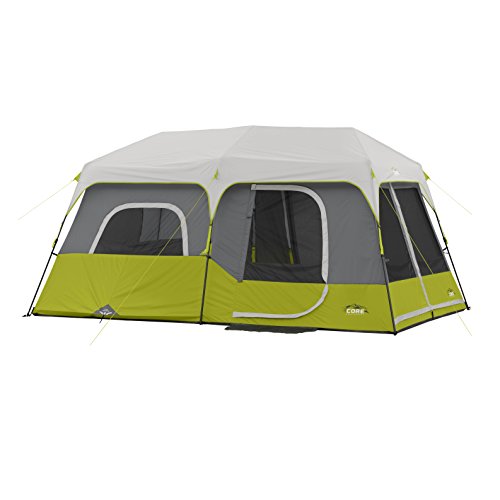
10 Person Cabin Camping Tent with Enclosed Weatherproof Screen Room
Discover how a spacious cabin tent with a weatherproof screen room transforms group camping into a comfortable, organized, and bug-free outdoor experience.
When you're camping with a large group—whether it's family, friends, or a scout troop—having enough space is only half the battle. The real game-changer is a tent that offers dedicated zones for sleeping, lounging, and storing gear without feeling cramped. That's exactly where a 10 person cabin camping tent with an enclosed weatherproof screen room comes in. Unlike standard dome tents that force everyone into a single crowded space, this design gives you a separate, screened-in living area that keeps bugs out and lets you enjoy the view even during light rain. It's the kind of setup that turns a basic camping trip into a genuinely comfortable outdoor retreat.
In this guide, we'll walk you through everything you need to know before choosing one of these tents. From understanding how a screen room actually functions in real camping conditions, to comparing cabin tents against other large tent styles like 12-person tents or 6-person versions with screen rooms, to practical setup and weatherproofing tips—this article is designed to give you the confidence to make the right purchase decision. We'll also answer common questions about capacity, seasonal use, and maintenance so you can hit the campsite fully prepared.
Key Takeaways
- A 10 person cabin tent with an enclosed screen room offers separate sleeping and living zones—ideal for families and groups.
- The weatherproof screen room blocks insects, reduces condensation, and provides a dry entryway during rain.
- Cabin-style tents with near-vertical walls maximize usable interior space compared to dome tents.
- Pre-attached poles and color-coded sleeves on instant models can cut setup time to under 10 minutes.
- For cold-weather trips, consider pairing your tent with a camping electric blanket or battery-operated tent heater.
Why Choose a 10 Person Cabin Tent with an Enclosed Screen Room?
The appeal of this specific tent configuration comes down to one word: versatility. A standard 10-person tent gives you a large sleeping area, but a cabin tent with a screen room gives you a complete living system. The main sleeping compartment handles beds and gear, while the enclosed screen room acts as a mudroom, a dining area during light rain, or a bug-free lounge space where you can relax without retreating to your sleeping bag.
This dual-zone design is especially valuable for extended trips. If you're camping for a weekend, the difference may feel minor. But on a week-long adventure—or during a rainy season—having a separate, sheltered space to cook, play cards, or simply sit and enjoy the outdoors without being eaten alive by mosquitoes makes a huge difference in overall enjoyment. It's also a smart choice for families with young children, since the screen room provides a safe, contained play area that's still open to the fresh air.
Another advantage is the cabin shape itself. Unlike dome tents that slope inward and waste valuable headroom, cabin tents have near-vertical walls. This means you can stand up, walk around, and use cots or air mattresses without feeling like you're in a cocoon. If you've ever tried to change clothes inside a low-profile tent, you already understand why this matters. For those comparing options, it's worth reading our guide on camping tents you can stand up in to understand the full range of stand-up designs available.
Finally, the weatherproof screen room adds a layer of protection that traditional tents simply can't match. During a sudden downpour, you don't have to scramble to close every window and door—you can retreat to the screen room, zip up the weatherproof panels, and wait out the storm in comfort. The main sleeping area stays dry, your gear stays organized, and your trip doesn't grind to a halt.
🛡️ Weatherproof Protection
The enclosed screen room features zip-up panels that seal out rain and wind, creating a dry buffer zone between the outdoors and your sleeping quarters.
🦟 Bug-Free Lounging
Fine mesh walls keep mosquitoes, flies, and other insects out while allowing cross-ventilation, so you can enjoy the view without the bites.
📦 Organized Storage
Use the screen room as a mudroom for boots, backpacks, and wet gear—keeping your sleeping area clean, dry, and clutter-free.
👨👩👧👦 Family-Friendly Space
Near-vertical cabin walls and a separate screen room create a safe, spacious environment for kids to play and adults to relax.
🌬️ Superior Ventilation
Multiple mesh panels and a screen room promote airflow, reducing condensation buildup and keeping the interior fresh even in humid conditions.
⚡ Quick Setup Options
Many modern models feature pre-attached poles and instant setup frames, allowing two people to pitch the entire tent in under 15 minutes.
How the Enclosed Weatherproof Screen Room Works
At first glance, a screen room might seem like a simple add-on. But its design and functionality are what separate a good 10-person cabin tent from a great one. The screen room is typically an extended section at the front of the tent, separated from the main sleeping area by a zippered divider. Its walls are made of fine mesh, and in most models, the mesh is covered by weatherproof panels that can be rolled up or zipped closed depending on conditions.
On a clear, mild day, you leave the panels open and enjoy a breezy, shaded lounge area that feels almost like a porch. When rain rolls in, you zip the panels shut and the screen room becomes a fully enclosed, waterproof extension of the tent. Some premium models even include a dining fly or an additional awning over the screen room, providing extra protection for cooking or sitting outside.
This flexibility is particularly useful during shoulder-season camping, when weather can change rapidly. Instead of being stuck inside a dark, stuffy tent, you have a bright, airy space that adapts to the conditions. It's also a lifesaver for parents who want to keep an eye on kids playing outside without sitting in the sun or rain themselves.
One thing to keep in mind: the screen room does add to the tent's overall footprint. If you're camping on a small, designated tent pad, you may need to check the dimensions carefully. Most 10-person cabin tents with screen rooms measure around 14 x 10 feet or larger, so confirming site size in advance is always a good idea. For tips on choosing the right site, see our guide on how to choose tent size.
Feature Comparison: What to Look For in a 10 Person Cabin Tent
Not all 10-person cabin tents with screen rooms are built the same. The table below breaks down the key features you'll encounter across different quality tiers, helping you understand where each model sits in the market without getting bogged down in specific brands or numbers.
| Feature | Entry-Level | Mid-Range | Premium |
|---|---|---|---|
| Fabric & Weatherproofing | Basic polyester with minimal coating; may need additional seam sealing | Coated polyester or nylon with taped seams; decent water resistance | High-denier ripstop fabric with fully taped seams and reinforced corners |
| Pole Structure | Fiberglass poles; adequate for calm conditions | Steel or thicker fiberglass; better wind resistance | Aluminum alloy or heavy-duty steel; excellent stability in gusty weather |
| Screen Room Size | Small, basic mesh area with limited coverage | Generous screen room with roll-up weather panels | Large, fully enclosed screen room with full-coverage rainfly and optional floor |
| Setup Mechanism | Traditional pole sleeves; 20–30 minutes for two people | Color-coded poles and clips; 15–20 minutes | Pre-attached instant frame; 5–10 minutes with minimal effort |
| Ventilation | Limited mesh panels; may experience condensation | Good mesh coverage with roof vents | Full mesh ceiling, large side panels, and adjustable ground vents |
| Durability | 1–2 seasons with moderate use | 3–4 seasons with proper care | 5+ seasons; often backed by extended warranties |
| Best For | Occasional campers, fair-weather trips | Regular campers, families, three-season use | Serious campers, extended trips, varied weather conditions |
When evaluating these tiers, think about how often you camp and in what conditions. An entry-level tent might be perfectly fine for a once-a-year summer trip. But if you're camping monthly across spring, summer, and fall—or if you frequently camp in areas with unpredictable weather—investing in a mid-range or premium model will pay off in comfort and longevity. For a deeper dive into whether higher-tier tents justify their cost, see our article on are expensive tents worth it.
Setup Tips for Large Cabin Tents with Screen Rooms
Setting up a 10-person cabin tent is a different experience from pitching a small dome tent. The sheer size means you'll want to plan ahead, especially if you're setting up alone or in windy conditions. Here are some practical tips to make the process smoother:
1. Choose a level, debris-free site. Clear away rocks, pinecones, and branches before laying down your footprint or ground tarp. A clean surface protects the tent floor and makes staking easier. If you're camping on a platform, check out our guide on setting up a tent on a platform for specialized tips.
2. Lay out all components first. Unpack the tent, poles, stakes, and rainfly. Organize them by color or label if your tent uses a color-coded system. This prevents mid-setup scrambling and reduces the chance of losing small parts.
3. Stake the corners before raising the frame. On large cabin tents, the base footprint determines the overall shape. Stake all four corners (and any mid-points) before inserting poles. This keeps the tent from shifting as you build the structure.
4. Assemble the frame on the ground, then lift. For pole-sleeve models, thread the poles through their sleeves while the tent is still flat. Then, with a partner, lift the frame into position. Instant tents with pre-attached poles simply require unfolding and extending—much faster, but still easier with two people.
5. Attach the rainfly and secure the screen room. Once the main structure is up, drape the rainfly over the top and secure it at the corners. If your tent has a separate screen room fly, attach it now. Make sure all zippers are closed and panels are properly aligned before staking out guy lines.
6. Test the setup before your trip. If possible, pitch the tent in your backyard before your camping trip. This lets you identify missing parts, practice the setup sequence, and make sure everything works. It's also a great way to apply a seam sealer if needed.
For more detailed instructions on handling adverse conditions, see our guides on setting up a tent in the rain and camping in a tent in rain.
Weatherproofing and Maintaining Your Cabin Tent
A 10-person cabin tent with a screen room is an investment, and with proper care, it can last for many seasons. Here's how to keep it in top condition:
Seam sealing: Even high-quality tents can develop leaks at the seams over time. Apply a seam sealer to all exposed seams—especially on the rainfly and screen room panels—before your first trip and reapply annually. This is a simple, inexpensive step that dramatically improves water resistance.
Proper drying: Never pack away a wet tent. If you have to break camp in the rain, set the tent up again at home and let it air-dry completely before storing. Storing a damp tent leads to mildew, which weakens the fabric and creates a musty odor that's hard to remove.
UV protection: Prolonged sun exposure can degrade tent fabric over time. If you're camping in an area with intense sunlight, consider applying a UV protectant spray designed for outdoor gear. This is especially important for the screen room panels, which are often exposed to direct sun.
Pole care: Inspect poles for bends, cracks, or corrosion before each trip. Replace damaged sections immediately—a broken pole mid-trip can ruin your shelter. For fiberglass poles, avoid over-bending; for aluminum poles, check the shock cord for wear.
Zipper maintenance: Zippers are one of the most common failure points on large tents, especially on screen room dividers. Keep them clean and lubricated with a zipper wax or silicone spray. Never force a stuck zipper—work it back and forth gently to free any caught fabric.
For winter-specific care, including how to prevent frost damage and condensation, see our guide on keeping a tent warm in cold weather.
If you're exploring other large tent options, you might also be interested in comparing this setup with a 12-person 3-room instant cabin tent with screen room or a 10-person instant cabin tent with screen room. For those who prefer a more traditional structure, a 10-person straight wall cabin tent offers similar space with a slightly different frame design. And if you're camping with a dog, check out our tips on camping with a dog in a tent to keep your furry friend comfortable in the screen room.
Frequently Asked Questions
Most 10 person cabin tents with enclosed screen rooms are designed for three-season camping (spring, summer, and fall). The weatherproof screen room provides excellent ventilation and rain protection, but for winter camping, you should look for a four-season tent with a stove jack and reinforced pole structure. If you do use a three-season cabin tent in cold weather, pair it with a camping electric blanket or a battery-operated tent heater and ensure proper ventilation.
While a 10 person cabin tent is rated for 10 individuals sleeping side by side in sleeping bags, for maximum comfort with gear, we recommend a capacity of 6 to 8 people. The enclosed screen room adds significant livable space, making it ideal for families or groups who want to spread out. If you're using cots or air mattresses, plan for fewer occupants to avoid feeling cramped.
The enclosed screen room functions as a versatile mudroom, sunroom, or bug-free lounge area. It keeps insects out while allowing airflow, and during rain, the weatherproof panels can be zipped closed to protect gear and provide a dry entryway. This feature significantly enhances comfort and organization during extended camping trips, especially for families with children or groups with a lot of gear.
Setup time varies by model. Traditional pole-sleeve cabin tents typically take 20–30 minutes for two people. Mid-range models with color-coded poles and clips can be set up in 15–20 minutes. Premium instant cabin tents with pre-attached poles often go up in 5–10 minutes. Practicing at home before your trip can significantly reduce setup time and stress. For more tips, see our guides on the easiest 8-person tent to set up and easiest tent to set up and take down.
Absolutely. In fact, car camping is where these tents shine. Because they're large and heavy, they're not ideal for backpacking, but they're perfect for drive-up campsites where you can unload directly from your vehicle. The screen room gives you extra space to organize gear, and the cabin height makes it easy to stand and move around. For a full list of car camping essentials, see our car camping checklist.
Ready to Upgrade Your Group Camping Experience?
A 10 person cabin camping tent with an enclosed weatherproof screen room is more than just a shelter—it's a complete basecamp that keeps your group comfortable, organized, and protected from the elements. Whether you're planning a family reunion, a scout trip, or a weekend getaway with friends, this tent design delivers the space and versatility you need.
Browse our recommended selection below to find the right model for your next adventure.
View Recommended Tents ↓