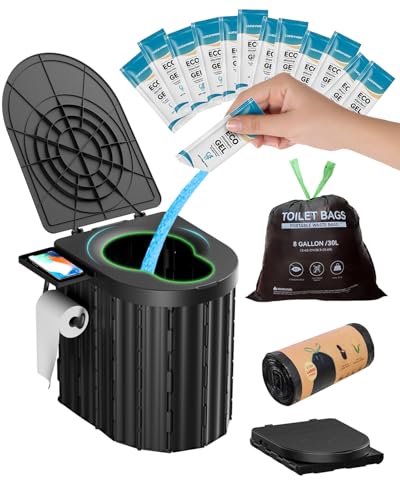
Camping Toilet Guide: Comfort & Hygiene in the Wild
Discover the best portable, composting, and flushable camping toilets. Learn how to choose the right sanitation solution for your next outdoor adventure, ensuring comfort and responsibility wherever you camp.
The CampLifeEssentials Approach: A reliable camping toilet is more than a luxury—it's a cornerstone of a positive outdoor experience. Whether you're a car camper, a van-lifer, or a dispersed camping enthusiast, understanding your sanitation options is key to camping comfortably and responsibly.
Why You Need a Camping Toilet
When nature calls, you shouldn't have to compromise. A dedicated camping toilet transforms your campsite into a comfortable, hygienic basecamp. It eliminates the stress of finding a suitable bush or public facility, especially in the middle of the night or in fragile environments. For families, it's a game-changer; for solo adventurers, it's a matter of convenience and safety. Moreover, using a portable toilet is a core principle of Leave No Trace ethics, helping to protect the delicate ecosystems we all love to explore.
Many campers start with a simple camping checklist, but as you gain experience, you quickly realize that proper sanitation is not optional. It's an essential part of your camping gear setup. Whether you are enjoying a weekend at a state park or venturing into BLM land, having your own toilet ensures you are prepared for any situation.
Types of Camping Toilets
The market offers a range of solutions, from ultra-portable to near-residential. Understanding the differences is the first step toward making an informed purchase.
1. Portable Flushable Toilets
These are the most popular choice for car campers and families. They feature a freshwater tank and a waste-holding tank with a manual or electric flush. Models range from entry-level with basic mechanisms to premium versions with comfortable seats and larger capacities. They offer a familiar, clean experience and are easy to use.
2. Composting Toilets
Ideal for eco-conscious campers and longer trips, composting toilets separate solid and liquid waste. This minimizes odor and allows for responsible disposal. They are a mid-range to high-end investment but are incredibly efficient and sustainable. They are a favorite among van-lifers and those practicing wild camping.
3. Bucket Toilets
A simple, budget-friendly, and lightweight solution. A bucket toilet consists of a sturdy bucket, a snap-on toilet seat, and a liner. You can add a gelling agent or sawdust to manage waste. They are perfect for minimalist backpackers and emergency kits. While basic, they are highly effective and easy to pack.
4. Foldable & Pop-Up Toilets
These are designed for ultimate portability. They fold flat for storage and are often used with a disposable bag. They are an excellent choice for those with limited space, such as in a 2-person tent setup or a small car. They are lightweight and easy to set up, making them great for quick trips or as a backup.
Key Features to Consider
When evaluating a camping toilet, look beyond the type and focus on the features that impact your experience.
- Capacity: Consider how many people will use it and for how long. Larger holding tanks mean fewer trips to the dump station.
- Flush Mechanism: Manual pumps are simple and reliable. Electric flush models offer more convenience, often found in top-tier options.
- Seat Height & Comfort: A comfortable seat height reduces strain. Some models are designed to feel like a standard home toilet.
- Odor Control: Look for models with robust seals and effective venting. Composting toilets are naturally better at this, but chemical treatments can also be used in flushable models.
- Stability & Durability: Ensure the toilet is stable on uneven ground. A wide base and sturdy construction are essential.
- Ease of Cleaning & Emptying: A smooth interior and a well-designed waste tank make emptying and cleaning a much less daunting task.
- Portability & Storage: For backpackers, weight and packed size are critical. For car campers, a slightly larger, more comfortable unit is often preferred.
Comparison at a Glance
This table provides a high-level overview of the main camping toilet types to help you quickly identify which category best fits your needs.
| Feature | Flushable | Composting | Bucket / Foldable |
|---|---|---|---|
| Best For | Families, car campers, comfort seekers | Eco-conscious, van-lifers, long trips | Backpackers, minimalists, emergency kits |
| Portability | Moderate | Moderate to Low | High |
| Comfort | High | Moderate to High | Low to Moderate |
| Odor Control | Good (with chemicals) | Excellent | Moderate (with additives) |
| Ease of Use | Very Easy | Moderate | Easy |
| Cost Tier | Entry-level to Premium | Mid-range to Luxury | Budget-friendly |
Setup and Maintenance Tips
Proper setup and maintenance are crucial for a hygienic and hassle-free experience. Always choose a level, stable spot for your toilet, ideally within a privacy shelter like a pop-up privacy tent. This provides a dedicated, clean space and enhances the feeling of comfort. When setting up your campsite, consider the proximity to your camping tent—close enough for convenience, but far enough for privacy.
For flushable toilets, use only approved chemical treatments to break down waste and control odor. For composting toilets, follow the manufacturer's instructions for the correct mix of solid and liquid waste and the proper composting medium (like coconut coir). When emptying, always use designated dump stations. If you are camping without electricity, a manual flush model is a more reliable choice. Always pack out what you pack in, and if you're using a bucket toilet, ensure you dispose of the bag responsibly according to local regulations.
Frequently Asked Questions
Can I use a regular toilet in a camping tent?
No, a regular toilet requires plumbing and a water supply. For tent camping, you need a portable, self-contained solution like a flushable or bucket toilet. A dedicated privacy tent is the best place to use it.
How do I dispose of waste from a camping toilet?
Waste from flushable toilets should be emptied at a designated RV dump station or a sanitary sewer drain. Composting toilet waste can be disposed of according to local regulations, often after a composting period. Bucket toilet waste bags should be sealed and disposed of in a trash receptacle, following Leave No Trace principles.
Are composting toilets worth the investment?
For frequent campers, van-lifers, or those who prioritize sustainability, a composting toilet can be a worthwhile investment. They eliminate the need for chemicals, reduce odor, and minimize water usage, making them a top-tier choice for eco-friendly adventures.
What is the most comfortable camping toilet?
Comfort is subjective, but generally, flushable toilets with a high seat and a sturdy base are considered the most comfortable. Some premium models even have padded seats and a height similar to a home toilet. For a balance of comfort and portability, mid-range flushable toilets are excellent.