Dining Fly: The Ultimate Camping Shelter Guide
Discover how a dining fly can transform your camping experience. Learn how to choose the right shelter, set it up in minutes, and protect your group from sun, rain, and wind.
What Is a Dining Fly and Why Do You Need One?
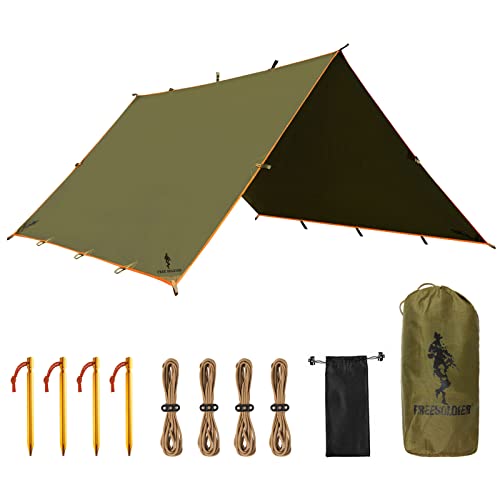
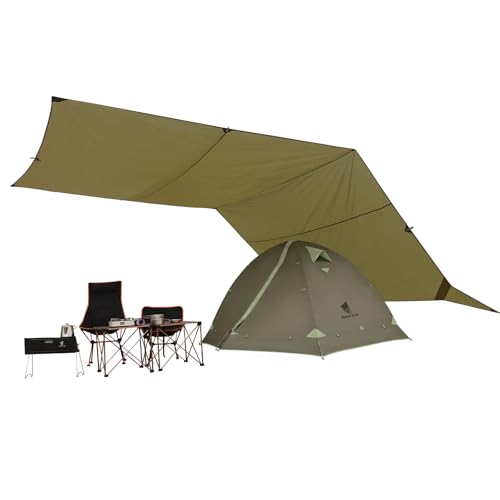
A dining fly is a versatile, freestanding shelter that provides overhead protection for your camp kitchen, dining area, or gathering space. Unlike a traditional tent, a dining fly is open-sided, allowing for excellent ventilation while shielding you from the elements. It is an essential piece of gear for anyone who wants to enjoy meals and social time outdoors without worrying about sudden rain or harsh sun.
Whether you are planning a family camping trip, a backcountry adventure, or a simple picnic, a dining fly offers a lightweight and affordable solution for creating a comfortable outdoor living space. It is particularly valuable for base camping setups where you establish a central hub for cooking and relaxing. Many campers pair their dining fly with a camp kitchen table to create a fully functional outdoor kitchen.
If you are new to camping, understanding the difference between a dining fly and a camping tent is crucial. While a tent is your sleeping quarters, a dining fly is your communal area. Together, they form a complete camping shelter system. For those who want the ultimate in comfort, combining a dining fly with a canopy tent with sides can provide both open and enclosed options.
Types of Dining Flies: Which One Is Right for You?
Dining flies come in several configurations, each suited to different camping styles and group sizes. Understanding the options will help you make an informed decision.
- Square or Rectangular Flies: The most common type, offering a large coverage area. They are versatile and can be pitched in various configurations using poles or trees.
- Wing-Shaped Flies: Designed for aerodynamic performance, these flies are excellent for windy conditions. They are often used by ultralight backpackers.
- Pop-Up Canopy Flies: These are freestanding and set up in seconds. They are ideal for car camping and picnics. A popular option is the 10 ft x 10 ft pop-up canopy replacement top if you already own a frame.
- Tarp Flies: Simple, lightweight tarps that can be rigged in countless ways. They are the most budget-friendly option and highly packable.
For family camping, a rectangular fly with a minimum of 10x10 feet of coverage is recommended. It provides ample space for a table, chairs, and cooking gear. If you need even more space, consider a 10x20 pop-up canopy for larger groups.
Key Features to Look for in a Dining Fly
When evaluating a dining fly, pay attention to these critical features to ensure you get the best value for your needs.
| Feature | Why It Matters | Recommended Tier |
|---|---|---|
| Material | Determines durability and weather resistance. Polyester and nylon are common; look for PU or silicone coatings. | Mid-range to premium for better waterproofing. |
| Waterproof Rating | Measured in millimeters (e.g., 1500mm, 3000mm). Higher ratings mean better rain protection. | At least 1500mm for moderate rain; 3000mm+ for heavy rain. |
| UV Protection | Protects against harmful sun rays. Look for UPF ratings or silver coatings. | UPF 50+ is ideal for sunny climates. |
| Poles and Hardware | Aluminum poles are lightweight and durable; steel is heavier but stronger. Check for adjustable height. | Aluminum for backpacking; steel for car camping. |
| Packed Size & Weight | Critical for portability. Lighter and smaller is better for backpacking. | Entry-level for car camping; premium for backpacking. |
For those who camp in unpredictable weather, a pop-up tent for cold and rainy weather might be a better all-in-one solution. However, a dedicated dining fly often provides superior ventilation and space.
How to Set Up a Dining Fly: A Step-by-Step Guide
Setting up a dining fly is straightforward, but following a systematic approach ensures stability and maximum protection.
- Choose the Right Location: Look for a flat area free of rocks and branches. Avoid low spots where water might pool. If possible, position the fly to block prevailing winds.
- Lay Out the Fly: Unfold the fly and orient it so the longest side faces the wind. This minimizes wind exposure.
- Attach Poles: If using adjustable poles, extend them to the desired height. Most dining flies use two main poles at opposite corners or center poles.
- Stake the Corners: Secure the corners to the ground using sturdy stakes. Angle them away from the fly for better tension. For sandy or soft ground, consider using beach-friendly stakes.
- Tension the Guy Lines: Attach guy lines to the midpoints of the fly and stake them out. This prevents sagging and improves wind resistance.
- Adjust Height: Raise or lower the poles to achieve the desired coverage and ventilation. A slight slope helps with water runoff.
If you are setting up in the rain, a rain-ready strategy is essential. Practice setting up your fly at home before your trip to ensure a quick and stress-free setup at the campsite.
Dining Fly vs. Canopy Tent vs. Tarp: A Comparison
Understanding how a dining fly compares to other shelter options will help you make the best choice for your camping style.
- Dining Fly: Lightweight, versatile, and open-sided. Best for ventilation and quick shade. Requires separate poles and stakes.
- Canopy Tent: Freestanding and easy to set up. Often comes with a frame and carry bag. Heavier but more convenient. A 10x10 pop-up tent is a popular choice for car camping.
- Tarp: Ultralight and extremely packable. Requires skill to rig effectively. Best for backpackers and survivalists.
For those who want the best of both worlds, a canopy tent with sides offers the flexibility of an open fly with the option to add walls for wind and privacy. If you are camping in a windy area, a beach canopy tent is designed to handle coastal breezes.
Best Practices for Using a Dining Fly
To get the most out of your dining fly, follow these expert recommendations.
- Practice Leave No Trace: Always follow Leave No Trace principles when setting up. Avoid damaging vegetation and pack out all trash.
- Secure in Wind: Use high-quality stakes and guy lines. In extreme wind, lower the fly to reduce wind resistance.
- Prevent Water Pooling: Ensure the fly is taut and has a slight slope. If water pools, adjust the poles or add a center pole.
- Check Fire Regulations: If you plan to use a campfire or stove under the fly, ensure it is fire-resistant and follow campfire regulations.
- Store Properly: Clean and dry your fly thoroughly before storing to prevent mold and mildew. Store in a cool, dry place.
For those camping in cold weather, a dining fly can be combined with a hot tent camping setup for a warm communal area. Always prioritize safety and check the campfire safety rules before lighting any fire under a shelter.
Frequently Asked Questions About Dining Flies
What is the difference between a dining fly and a tent?
A dining fly is an open-sided shelter designed for communal activities like cooking and eating. A tent is an enclosed shelter for sleeping. They serve different purposes and are often used together.
Can I use a dining fly as a tent?
While you can sleep under a dining fly in good weather, it does not offer the same protection from bugs, wind, and ground moisture as a tent. For sleeping, it is best to use a dedicated camping tent.
How do I choose the right size dining fly?
Consider the number of people and gear you need to cover. A 10x10 foot fly is suitable for 2-4 people. For larger groups, a 10x20 foot fly or a 12-person tent with a large vestibule might be more appropriate.
Are dining flies waterproof?
Most quality dining flies are water-resistant and can handle light to moderate rain. For heavy rain, look for a fly with a high waterproof rating (3000mm+) and fully taped seams. A pop-up tent for cold and rainy weather may offer better protection in extreme conditions.
Can I use a dining fly for backpacking?
Yes, many dining flies are lightweight and packable, making them suitable for backpacking. Look for models made from silnylon or cuben fiber for the best weight-to-strength ratio.
How do I set up a dining fly without trees?
You can use adjustable poles or trekking poles to set up a dining fly in open areas. Many flies come with pole sleeves or attachment points for this purpose. A pop-up canopy replacement top can also be used with a freestanding frame.
Ready to upgrade your camp kitchen and dining area? Explore our top-rated dining fly recommendations and find the perfect shelter for your next adventure.
View Recommended Dining Flies