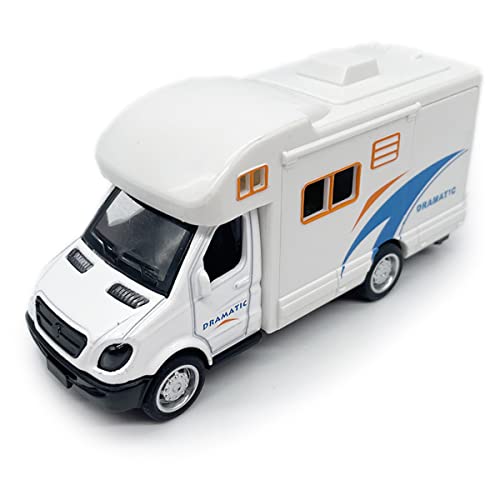
The Ultimate Guide to Mini RV Campers
Discover the freedom of compact adventure vehicles. Learn how to choose, equip, and enjoy a mini RV camper for your next road trip.
START EXPLORINGWhy Go Mini? Mini RV campers offer the perfect blend of mobility, simplicity, and outdoor connection. Whether you're a solo traveler or a couple seeking adventure, a compact camper lets you navigate narrow roads, fit into small campsites, and enjoy the journey as much as the destination.
What Is a Mini RV Camper?
A mini RV camper is a compact recreational vehicle designed for travel and camping. Unlike full-sized motorhomes, these smaller campers prioritize agility and efficiency, making them ideal for weekend getaways and cross-country trips alike. They come in various forms, including pop-up campers, camper trailers with storage, and 2-person camper models.
The beauty of a mini RV lies in its simplicity. You get the comforts of a camper—a place to sleep, cook, and relax—without the bulk of a traditional RV. This makes them easier to tow, park, and maintain, especially for first-time RV owners. If you're considering a transition from tent camping, a mini camper can be a natural next step. For those just starting, reviewing a setting up a camper for the first time guide can be invaluable.
- Easy to tow with smaller vehicles
- Fits in standard campsites and driveways
- Better fuel efficiency than larger RVs
- Quick setup and takedown
- Lower maintenance requirements
- Ideal for spontaneous trips
Types of Mini RV Campers
Understanding the different types of mini campers is crucial for making an informed decision. Each type offers distinct advantages depending on your travel style, towing capacity, and budget tier.
| Type | Best For | Key Features | Typical Tier |
|---|---|---|---|
| Pop-Up Campers | Families and budget-conscious travelers | Lightweight, expandable, easy towing | Entry-level to mid-range |
| Teardrop Trailers | Couples and solo adventurers | Classic design, compact galley kitchen, cozy sleeping area | Mid-range to premium |
| Camper Vans | Digital nomads and road trippers | Self-contained, stealthy, easy to drive | Mid-range to luxury |
| Truck Campers | Off-grid and rugged terrain enthusiasts | Mounts on pickup trucks, go-anywhere capability | Premium to luxury |
| Folding Campers | Minimalists and quick trips | Very lightweight, fast setup, basic amenities | Budget-friendly |
When evaluating these options, consider your towing vehicle's capacity. Some campers that can be pulled by a car are surprisingly capable and offer excellent value. For those interested in a more traditional camping experience, a canvas hot tent can be a great alternative for winter adventures.
Pros and Cons of Mini RV Campers
✅ Advantages
- Maneuverability: Easier to drive and park than large RVs.
- Cost-Effective: Lower purchase and maintenance costs compared to full-size RVs.
- Fuel Efficiency: Better gas mileage, especially with camper vans.
- Versatility: Can be towed by many standard SUVs and trucks.
- Connection to Nature: Encourages outdoor living with essential comforts.
⚠️ Considerations
- Space Limitations: Less storage and living space than larger RVs.
- Limited Amenities: May lack full bathrooms or large kitchens.
- Setup Time: Pop-ups and folding campers require more setup than hard-sided models.
- Weather Dependency: Some models are less insulated for extreme conditions.
Essential Gear for Your Mini RV Camper
Equipping your mini RV camper correctly is key to a comfortable and enjoyable trip. Focus on multifunctional items that save space without sacrificing utility. Here's a curated list of essentials that experienced mini RVers swear by.
1. Sleeping and Comfort
Your bed is the foundation of a good night's sleep. Many mini campers come with basic mattresses, but upgrading to a memory foam mattress topper with cooling gel can make a world of difference. For those who prefer air mattresses, a double high airbed with built-in pump offers convenience and comfort. If you're converting a larger space, consider a queen size air mattress with built-in pump for guests.
2. Cooking and Kitchen
A compact kitchen setup is vital. A portable camp kitchen can organize your cooking gear efficiently. For cooking, a two-burner stove or a propane stove top provides reliable heat. Don't forget a good camping stove for quick meals. For cookware, invest in camping cooking ware that nests and saves space.
3. Power and Lighting
Staying powered is crucial. A portable power station can run small appliances and charge devices. For lighting, rechargeable battery-powered lanterns are safe and efficient. Exterior lighting like RV camper lights or 12-volt LED strip lights for RV exterior enhances visibility and ambiance.
4. Furniture and Storage
Maximize your space with RV collapsible table and portable foldable stool. A heavy-duty camping chair with canopy offers comfort and sun protection. For organization, storage for folding chairs and tables keeps your camper tidy.
📋 Mini RV Camper Pre-Trip Checklist
- Check tire pressure and tread
- Test all lights (interior and exterior)
- Inspect propane connections and hoses
- Fill fresh water tank (if equipped)
- Empty and prep waste tanks
- Charge all batteries and power banks
- Stock first aid kit
- Secure loose items inside
- Verify hitch and safety chains
- Review campsite reservation details
Setting Up Your Mini RV Camper
Setting up your mini camper doesn't have to be a chore. With practice, you can go from arrival to relaxation in under 30 minutes. Start by leveling your camper—use leveling blocks on uneven ground. Next, connect utilities: water, electricity, and sewer (if applicable). Finally, extend awnings and set up outdoor furniture.
For those new to RVing, a guide on setting up your camper for the first time is essential reading. If you're renting, camper trailer rental services often provide a walkthrough. And if you're considering a more permanent setup, monthly RV parks offer long-term options.
Maintenance Tips for Longevity
Regular maintenance ensures your mini RV camper lasts for many adventures. Inspect seals and caulking annually to prevent leaks. Lubricate moving parts like hinges and stabilizer jacks. Check the roof for damage and clean it regularly. For pop-up campers, a replacement bag awning for pop-up camper may be needed over time. If you have a fifth wheel, hydraulic landing gear for 5th wheels requires periodic inspection.
Great Destinations for Mini RV Campers
Mini RV campers excel in destinations where larger RVs can't go. Consider Presque Isle Campground for lakeside beauty, or Ottawa Lake Campground for a peaceful retreat. Umpqua State Park offers stunning scenery. For coastal adventures, try Camping Cape Cod. And for those seeking dispersed camping, dispersed camping in Pike National Forest is an excellent choice.
Frequently Asked Questions
Can a mini RV camper be towed by a regular car?
Yes, many lightweight mini campers are designed to be towed by cars with appropriate towing capacity. Always check your vehicle's towing limits. See our guide on campers that can be pulled by a car.
Do I need a special license to drive a mini RV?
In most regions, no special license is required for mini RVs under a certain weight. However, regulations vary, so check local laws.
How much does a mini RV camper cost?
Mini RV campers range from budget-friendly entry-level models to premium luxury units. Prices vary based on size, features, and brand. Focus on the tier that matches your needs rather than a specific number.
Are mini RV campers good for winter camping?
Some models are equipped with insulation and heating for winter use. However, most mini campers are designed for three-season camping. For extreme cold, consider a hot tent camping setup or a four-season camper.