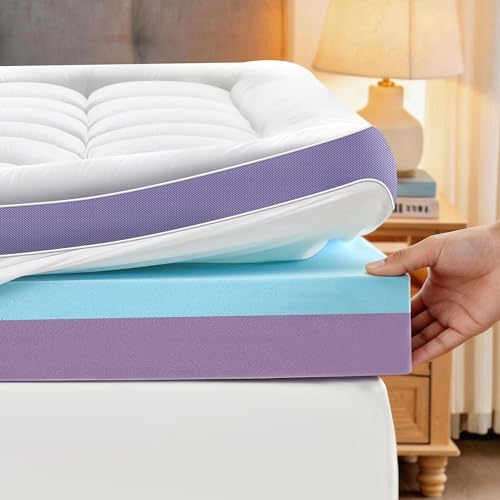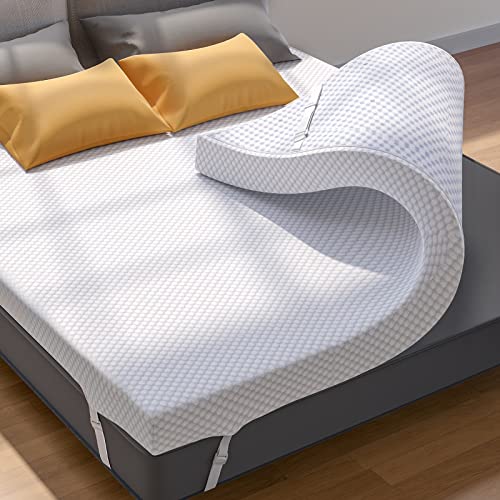
Ultimate Mattress Topper Guide for Side Sleepers with Hip Pain
Stop waking up with sore hips. Discover how the right topper can transform your sleep by relieving pressure points and aligning your spine.
VIEW RECOMMENDED TOPPERSDid You Know? Side sleeping is the most common position, but it places immense pressure on the greater trochanter of the hip. Without adequate cushioning, this leads to compression, inflammation, and chronic pain. The right mattress topper isn't just about comfort—it's a therapeutic tool.
Why Side Sleepers Suffer from Hip Pain
As a side sleeper, your body weight is concentrated on a relatively small surface area—the shoulder and hip. When your mattress is too firm, it pushes back against these points, restricting blood flow and creating painful pressure sores over time. Conversely, a mattress that is too soft allows your hip to sink too deeply, forcing your spine into a lateral "U" shape that strains the lower back and hip flexors. The ideal solution is a mattress topper specifically designed for side sleepers with hip pain, typically offering 2 to 4 inches of conforming material that cushions the hip while maintaining structural support for the core. Memory foam, latex, and specialized gel-infused foams are the leading technologies that address this balance, each offering unique benefits for pressure relief and temperature regulation.
When selecting a topper, look beyond just thickness. The density of the material, measured in pounds per cubic foot (PCF), determines its durability and ability to contour. A density of 4 PCF or higher in memory foam ensures it won't flatten out within months. For those who run hot, memory foam toppers with cooling gel or open-cell structures are essential to prevent heat from being trapped around the sensitive hip joint. We've analyzed hundreds of options to help you find the perfect balance of cushioning, support, and longevity.
Top Material Comparison for Hip Pain
Memory Foam
- Best for: Maximum pressure relief
- Feel: Slow-sinking, body-hugging
- Ideal Density: 4-5 PCF
- Thickness: 3 inches minimum
- Heat: Can sleep warm (unless gel-infused)
Latex
- Best for: Responsive support & longevity
- Feel: Bouncy, resilient
- Type: Talalay or Dunlop
- Thickness: 2-3 inches
- Heat: Naturally breathable
Gel-Infused Foam
- Best for: Hot sleepers with pain
- Feel: Contouring but cooler
- Technology: Phase-changing materials
- Thickness: 2-4 inches
- Price: Mid-range, excellent value
Key Takeaway for Instant Relief
If you are waking up with sharp pain directly on the bony part of your hip, a 3-inch memory foam topper with a medium-soft density is the most clinically recommended starting point. It allows the trochanter to sink just enough to relieve peak pressure without collapsing the entire lumbar region. Ensure your existing mattress underneath is not sagging; a topper cannot fix a failed foundation.
Thickness Guide: 2, 3, or 4 Inches?
Choosing the right thickness is critical for side sleepers. A 2-inch topper is typically insufficient for someone over 150 pounds, as it will bottom out under the concentrated weight of the hip, offering minimal cushioning. It is suitable only for lightweight individuals or those looking to simply soften a slightly too-firm surface. For the average adult suffering from moderate hip pain, a 3-inch topper is the "Goldilocks" sweet spot. It provides the necessary depth to cradle the hip joint and femur while maintaining a stable sleep surface.
For heavier individuals or those with severe arthritis or bursitis, a 4-inch topper offers the most dramatic transformation. However, be cautious: a 4-inch memory foam slab can sometimes cause the feeling of being "stuck" or trapped, making it difficult to change positions during the night. If you toss and turn, latex or a high-resilience foam might be a better vehicle than deep memory foam. Always pair a thicker topper with a breathable mattress protector to manage moisture and heat.
How to Prepare Your Bed for a Topper
Just as you would prepare a comfortable sleeping system outdoors, your setup at home needs a solid base. Before unboxing your new topper, ensure the mattress beneath is free of deep indentations. Place the topper directly on the mattress and secure it with deep-pocket sheets. If you often wake up due to pressure points, consider layering a lightweight breathable blanket under the fitted sheet for extra plushness without altering the topper's contouring properties. Remember that a high-quality topper is an investment in your sleep hygiene, much like investing in essential camping gear ensures a good night under the stars.
Frequently Asked Questions
Can a mattress topper really fix severe hip bursitis?
While a topper is not a medical device, it can significantly alleviate trochanteric bursitis symptoms. By reducing direct pressure on the inflamed bursa, it allows the body's healing processes to work. Memory foam is highly recommended, but consult with your physician if the pain is chronic or caused by a structural issue.
Is memory foam or latex better for side sleepers with hip pain?
Memory foam is typically superior for acute pain relief because it has lower resilience; it absorbs force rather than pushing back. Latex, however, is better for spinal alignment and longevity. If your pain is pressure-related, choose memory foam. If it's alignment-related, choose latex.
How often should I replace my mattress topper?
A high-quality memory foam topper (4 PCF or higher) should last 3 to 5 years. Lower density foams may degrade within 1-2 years. If you notice visible sagging in the hip area or if your pain returns despite sleeping on the topper, it is time for a replacement.
If you're planning a camping trip and have found your perfect sleep surface at home, you might be curious about how to replicate that comfort outdoors. Check our guide on the best camping mats for portable pressure relief. Also, if back issues persist, our review of the best toppers for bad backs might provide additional insights into spinal health.