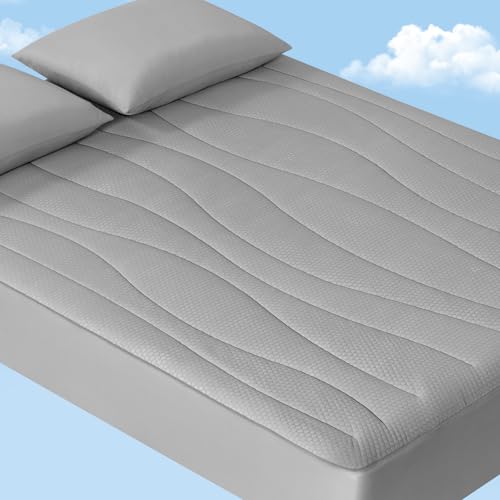
Temperature Regulating Mattress Pad: Sleep Comfortably in Any Season
Discover how advanced thermoregulation technology transforms your camping sleep experience — from humid summer nights to frosty mountain mornings.
Explore the GuideWhy Thermoregulation Matters: Your body temperature naturally fluctuates during sleep. A mattress pad that actively manages heat and moisture keeps you in the optimal sleep zone — not too hot, not too cold — so you wake up refreshed, not exhausted.
What Is a Temperature Regulating Mattress Pad?
A temperature regulating mattress pad is a sleep accessory engineered to actively manage heat and moisture between your body and your sleeping surface. Unlike standard foam pads that trap body heat, these pads use advanced materials — such as phase change materials (PCMs), breathable gels, or open-cell foams — to absorb excess warmth when you're too hot and release it when you're too cold. For campers, this technology is a game-changer: it bridges the gap between the convenience of a single air mattress and the comfort of a home bed, all while packing down small enough for a backpack.
When you're camping, your sleep system is only as good as its weakest link. A top-tier winter sleeping bag can't compensate for a pad that lets cold seep up from the ground or traps sweat against your skin. That's where thermoregulating pads shine — they work with your bag, not against it. Whether you're in a tent for the back of a SUV or a minimalist hammock that can be used as a tent, the right pad can mean the difference between a restorative night and a restless one.
How Temperature Regulating Technology Works
🌡️ Phase Change Materials (PCMs)
PCMs are microcapsules embedded in the pad's fabric. They absorb excess body heat when you're warm and release it back when you cool down, maintaining a stable microclimate around your body.
- Best for year-round use
- Works passively — no power needed
- Often found in mid-range and premium pads
💨 Breathable Open-Cell Foam
Open-cell foam structures allow air to circulate freely through the pad, preventing heat buildup. These pads are lightweight and compressible, making them ideal for backpacking.
- Excellent moisture wicking
- Entry-level to mid-range options
- Pairs well with a sleeping pad for the floor
❄️ Cooling Gel Layers
Gel-infused pads draw heat away from your body on contact. The gel layer acts as a heat sink, dispersing warmth across the pad's surface for a cool-to-the-touch feel.
- Ideal for hot sleepers
- Premium tier and luxury options
- Works best in warm-weather camping
🔄 Reflective Heat Barriers
Some pads use reflective films or metallic layers to bounce radiant body heat back toward you. These are particularly effective in cold-weather camping when every degree counts.
- Best for winter camping
- Often combined with foam insulation
- Mid-range to high-end models
Key Features to Evaluate Before You Buy
Choosing the right temperature regulating mattress pad isn't just about the tech — it's about how that tech fits your camping style. A pad that's perfect for a truck bed tent setup might be overkill for a camping backpack with tent and sleeping bag. Here's what to look for:
| Feature | Entry-Level | Mid-Range | Premium |
|---|---|---|---|
| Thermoregulation Mechanism | Open-cell foam, basic breathability | PCMs or gel infusion, enhanced airflow | Multi-layer PCM + reflective barrier or active cooling gel |
| Thickness & Comfort | 1–1.5 inches, minimal cushioning | 2–3 inches, balanced support | 3+ inches, plush comfort with ergonomic zones |
| Packability | Lightweight, rolls small — ideal for backpacking | Moderate bulk, suitable for car camping | Larger packed size, best for base camps and glamping |
| Durability | Basic materials, expect a few seasons of regular use | Reinforced seams, abrasion-resistant fabrics | Heavy-duty construction, warranty-backed |
| Best For | Occasional campers, budget-conscious buyers | Regular campers wanting reliable performance | Dedicated outdoor enthusiasts, extreme conditions |
Match Your Pad to Your Camping Style
⛺ Backpacking & Ultralight
Weight is king. Look for entry-level or lightweight mid-range pads with open-cell foam. Avoid gel-heavy models that add ounces.
- Prioritize packability
- Pair with a waterproof daypack hiking setup
- Check the temperature rating for your season
🚗 Car Camping & Family Trips
Comfort is priority. A thicker premium pad with PCM technology keeps everyone happy, especially in a 4-person cabin camping tent with instant setup.
- Look for 3+ inch thickness
- Consider a double bed air mattress with built-in pump for couples
- Easy to clean and store
❄️ Cold Weather & Winter
Reflective barriers and high R-values are essential. Combine with a heated tent camping setup for ultimate warmth.
- Look for reflective heat layers
- Pair with a winter sleeping bag
- Check for moisture resistance
🏕️ Glamping & Base Camp
Luxury matters. Premium pads with cooling gel and plush foam turn any glamping tent into a cozy retreat.
- Maximum thickness and comfort
- Cooling gel for warm nights
- Pair with a heavy duty camping chair for full relaxation
Caring for Your Temperature Regulating Pad
A thermoregulating pad is an investment — protect it. Always use a protective layer between the pad and your sleeping bag if the pad's fabric is delicate. Clean with mild soap (a biodegradable soap is ideal for eco-conscious campers) and water, then air-dry completely before storage. Avoid direct sunlight for extended periods, as UV rays can degrade PCM microcapsules and gel layers.
When packing for a trip, store your pad loosely rolled rather than compressed for long periods — this preserves the foam's rebound and the integrity of the thermoregulation layers. If you're using a camping storage bin, keep the pad in a breathable cotton sack inside the bin to prevent moisture buildup.
Frequently Asked Questions
Do temperature regulating mattress pads really work?
Yes — but the effectiveness depends on the technology. PCM-based pads and cooling gel layers have been proven to reduce night sweats and temperature fluctuations. Entry-level breathable foam pads offer milder benefits but are still a step up from standard closed-cell foam.
Can I use a temperature regulating pad in winter?
Absolutely, provided you choose a model with reflective heat barriers or a high R-value. These pads trap your body heat instead of letting it escape into the cold ground. Pair with a proper winter camping gear setup for best results.
How does a thermoregulating pad compare to a memory foam topper?
Memory foam toppers are comfort-focused but can trap heat. Thermoregulating pads are engineered specifically to manage temperature, making them better for campers who sleep hot or camp in variable climates. For a home-style feel, a memory foam mattress topper with cooling gel is a good crossover option.
Are these pads suitable for side sleepers?
Many premium models are designed with zoned support for side sleepers. Look for pads with enhanced thickness at the shoulders and hips. If you're specifically concerned about hip pain, a mattress topper for side sleepers with hip pain is worth considering alongside a thermoregulating pad.
How do I choose the right size?
Match the pad to your sleeping surface. A single air mattress pairs with a single-size pad. For couples, a queen size air mattress with built-in pump needs a queen-size pad. Always check the pad's dimensions against your mattress or tent footprint.
Ready to Upgrade Your Camping Sleep?
Explore our curated selection of temperature regulating mattress pads — from entry-level breathable foam to premium PCM-infused models. Your best night's sleep outdoors is just one click away.
View Recommended GearLooking for more sleep system advice? Check out our guides on the most comfortable way to sleep in a tent and how to stay warm in winter.