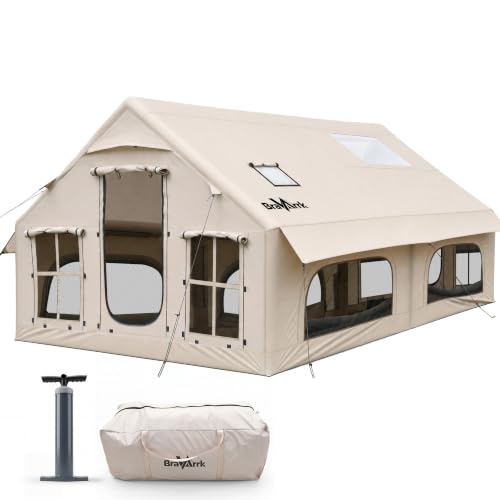
Heated Tent Camping: Your Complete Guide to Warmth in the Wild
Discover how to safely and effectively heat your tent for cold-weather adventures, from choosing the right heater and stove jack to insulation tricks and essential gear.
Heated tent camping transforms cold, miserable nights into cozy, memorable experiences. Whether you're a winter camping enthusiast or a beginner looking to extend your season, understanding how to safely heat a tent is a game-changer. This guide covers everything you need to know: from selecting a safe tent heater and a stove-jack-ready tent to insulation strategies and essential cold-weather gear. By the end, you'll be ready to camp comfortably in temperatures that would send most people indoors.
Why Heated Tent Camping? A heated tent extends your camping season, improves sleep quality, dries wet gear, and keeps morale high. It's not just about comfort—it's about safety and enjoyment in challenging conditions.
Types of Tent Heaters: Which Is Right for You?
Choosing the right heater is the cornerstone of heated tent camping. There are several options, each with its own advantages and safety considerations. Understanding these differences will help you make an informed decision based on your camping style, tent size, and budget tier.
| Heater Type | Best For | Key Considerations | Quality Tier |
|---|---|---|---|
| Propane Catalytic Heaters | Small to medium tents, quick heat | Requires ventilation, no electricity needed, produces carbon monoxide | Entry-level to mid-range |
| Wood Stove Heaters | Large tents with stove jacks, extended trips | Needs a stove jack, requires firewood, produces smoke and carbon monoxide | Mid-range to premium |
| Electric Heaters | Campgrounds with power hookups | No emissions, requires electricity, limited to powered sites | Entry-level to premium |
| Battery-Operated Heaters | Ultra-light backpacking, small tents | Limited heat output, rechargeable, very safe | Mid-range to high-end |
For most winter campers, a propane catalytic heater is the most versatile choice. These units are portable, produce consistent heat, and are available in a range of sizes. If you're planning to camp in a large tent or want the ambiance of a wood fire, a hot tent camping setup with a dedicated stove jack is the way to go. For those who prefer the simplicity of electric heat, look for campgrounds with electric hookups, such as Lake District campsites with electric hook-up for tents.
Stove Jack Tents: The Heart of Hot Tent Camping
A stove jack is a fire-resistant port installed in your tent's roof or wall that allows a stovepipe to pass through safely. Tents designed with stove jacks—often called hot tents or 4-season tents—are purpose-built for heated camping. These tents typically use heavy-duty fabrics like canvas or specialized synthetic materials that resist sparks and heat.
When selecting a stove jack tent, consider the following:
- Material: Canvas is traditional and breathable but heavy; modern synthetic blends are lighter and more resistant to moisture.
- Stove Jack Location: Ensure the jack is positioned to allow proper clearance for your stovepipe and is compatible with your stove's diameter.
- Ventilation: Adequate vents are critical to prevent carbon monoxide buildup and condensation.
- Size: Match the tent size to your group. Larger tents heat less efficiently but offer more living space.
If you're looking for a tent that can handle a wood stove, explore options like the 4m fire-retardant bell tent with stove hole or the 4-season tent with stove jack for sale. These tents are engineered for the rigors of heated camping and provide a reliable, safe environment.
Safety First: Never use a wood stove in a tent without a properly installed stove jack. Using a stove in a standard tent is a severe fire hazard and can lead to carbon monoxide poisoning.
Insulation Strategies for Heated Tent Camping
Even the most powerful heater struggles in an uninsulated tent. Proper insulation traps heat and reduces condensation, making your heated tent far more effective. Here are the key strategies:
- Use a Tent Footprint or Ground Tarp: A layer between your tent floor and the ground prevents cold from seeping up. A tarp works well for this purpose.
- Add a Sleeping Pad with a High R-Value: The ground will drain your body heat faster than the air. Invest in a quality sleeping pad for the floor with a high R-value (4+ for winter).
- Line the Tent with a Reflective Liner: Reflective liners bounce heat back into the living space. Some tents come with liners; others can be fitted with aftermarket options.
- Use a Tent Carpet or Rug: A simple rug on the floor adds a layer of insulation and comfort.
- Seal Drafts: Check for gaps around zippers, seams, and vents. Use seam sealer and draft stoppers to minimize heat loss.
For those who prefer a simpler approach, a tent warm in cold weather can be achieved with strategic use of sleeping in a tent in cold weather techniques, such as using a silk sleeping bag liner for extra warmth and a winter sleeping bag rated for the conditions.
Safety and Ventilation: The Non-Negotiables
Heated tent camping comes with inherent risks, primarily carbon monoxide (CO) poisoning and fire. Understanding and mitigating these risks is essential.
- Carbon Monoxide: Any fuel-burning heater produces CO. Always ensure your tent has adequate ventilation—keep a vent open even in freezing temperatures. Install a battery-operated CO detector in your tent as a backup.
- Fire Safety: Keep all flammable materials away from heaters. Never leave a heater unattended while sleeping. Use a stable base and ensure the heater cannot tip over.
- Heater Placement: Place heaters on a level, non-flammable surface. Maintain at least 3 feet of clearance from tent walls and gear.
- Fuel Storage: Store fuel canisters outside the tent and away from heat sources.
For a comprehensive look at winter camping safety, including preventing frostbite and winter camping safety, consult our detailed guides. If you're using a wood stove, follow campfire safety rules and ensure your stove is properly maintained.
Ready to gear up? Explore our recommended heated tent camping products below to find the perfect heater, stove, and accessories for your next cold-weather adventure.
See Recommended GearChoosing the Right Sleeping System for Heated Tents
Your sleeping system is your primary defense against the cold. Even with a heater, a poor sleeping setup will leave you shivering. Here's what to look for:
- Sleeping Bag Temperature Rating: Choose a bag rated for at least 10°F below the expected low. For extreme cold, consider a winter sleeping bag with a comfort rating well below freezing.
- Sleeping Pad R-Value: An R-value of 4 or higher is recommended for winter. Pair a foam pad with an inflatable pad for maximum insulation.
- Mattress Toppers: If you're car camping or using a cot, a memory foam mattress topper with cooling gel can add comfort and warmth.
- Liner: A silk sleeping bag liner adds a few degrees of warmth and keeps your bag clean.
For those who prefer an all-in-one solution, consider an all-in-one sleeping bag and mattress system designed for cold weather. And if you're camping with a partner, a double blow-up bed with built-in pump can be paired with a heated blanket for extra comfort.
Essential Gear for Heated Tent Camping
Beyond the heater and tent, a few key items make heated camping safer and more enjoyable:
- Carbon Monoxide Detector: A battery-operated CO detector is non-negotiable for any fuel-burning heater.
- Fire Extinguisher: A small, dry chemical fire extinguisher should be kept in the tent.
- Heat-Resistant Gloves: For tending wood stoves or adjusting propane heaters.
- Thermal Clothing: Layers are key. Use a layering clothing system with moisture-wicking base layers, insulating mid-layers, and a windproof outer shell.
- Winter Boots: Insulated, waterproof winter camping boots keep your feet warm and dry.
- Hot Water Bottle: A simple hot water bottle in your sleeping bag can provide hours of warmth.
For a full checklist of winter gear, see our winter camping gear guide. And don't forget your winter emergency kit in case of unexpected weather changes.
Setting Up Your Heated Tent for Success
Proper setup is critical for both safety and efficiency. Follow these steps:
- Choose a Level, Sheltered Spot: Avoid low areas where cold air pools. Use natural windbreaks like trees or rocks.
- Insulate the Floor: Lay down a footprint, tarp, or reflective ground mat before pitching your tent.
- Set Up Your Tent: Ensure all stakes and guylines are secure. For snow, use techniques for setting up a tent on snow.
- Install Your Stove or Heater: If using a wood stove, ensure the stovepipe is properly connected and sealed. For propane heaters, place them on a stable surface with adequate clearance.
- Ventilate: Open a vent or leave a small gap in the door to allow fresh air in and CO out.
- Test Your Setup: Before you need it, test your heater and CO detector to ensure everything works correctly.
For those camping in snowy conditions, our guide on how to setup a tent on snow provides detailed, step-by-step instructions. If you're using a tent platform, see setting up a tent on a platform.
Frequently Asked Questions
Can I use a regular tent with a heater?
No, using a fuel-burning heater in a standard tent is extremely dangerous. Regular tents lack the heat-resistant materials, stove jack, and proper ventilation required for safe heated camping. Always use a tent designed for heated use, such as a hot tent or a 4-season tent with a stove jack.
What is the safest tent heater?
Electric heaters are the safest when used in campgrounds with electrical hookups, as they produce no carbon monoxide. For off-grid camping, battery-operated heaters are the safest fuel-free option. Propane catalytic heaters are safe when used with proper ventilation and a CO detector. Wood stoves are safe only in tents with a properly installed stove jack and adequate ventilation.
How do I prevent condensation in a heated tent?
Condensation is a common issue in heated tents. Prevent it by ensuring adequate ventilation—keep a vent open even in cold weather. Use a breathable tent fabric like canvas, and avoid drying wet gear inside the tent without proper ventilation. A tarp over the tent can also help reduce moisture from rain or snow.
Can I use a wood stove in any tent?
Absolutely not. Wood stoves require a tent with a fire-resistant stove jack. Using a wood stove in a tent without a stove jack is a severe fire hazard. Always choose a tent specifically designed for wood stove use, such as a 4m fire-retardant bell tent with stove hole.
What temperature can a heated tent handle?
With a properly sized heater and good insulation, a heated tent can maintain comfortable temperatures even when outside temperatures drop well below freezing. However, the effectiveness depends on the heater's output, tent size, insulation, and outside conditions. Always choose a heater rated for your tent's volume and the expected temperatures.
Final Thoughts
Heated tent camping opens up a world of winter adventure, allowing you to enjoy the stillness of a snow-covered landscape without sacrificing comfort. By choosing the right gear—a stove-jack-ready tent, a safe and effective heater, a quality sleeping system, and essential safety equipment—you can camp comfortably and confidently in cold weather. Remember to prioritize safety, ventilate properly, and always use a carbon monoxide detector. With the right preparation, your heated tent will become your cozy basecamp for unforgettable winter experiences.
For more winter camping insights, explore our guides on winter camping, how to stay warm in winter, and winter camping heaters. And if you're new to cold-weather camping, start with our first-time camping tips.
Ready to take the plunge? Check out our recommended heated tent camping gear below to find the perfect setup for your next winter adventure.