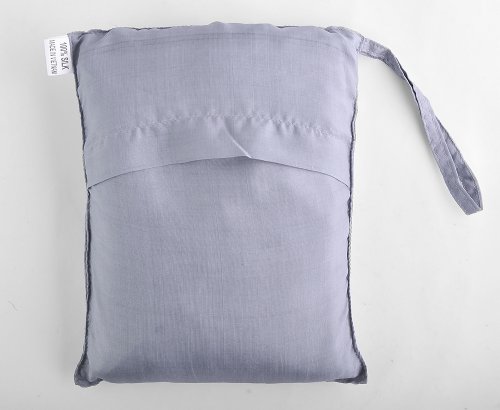
Silk Sleeping Bag Liner: The Ultimate Comfort Upgrade for Campers
Discover how a silk sleeping bag liner can transform your camping experience—adding warmth, extending the life of your sleeping bag, and providing a touch of luxury in the wild.
READ THE GUIDEWhy a Silk Sleeping Bag Liner Is a Game-Changer
If you’ve ever woken up in a sleeping bag feeling clammy, or noticed your bag losing its loft after a few seasons, a silk liner is the simple solution you’ve been missing. Unlike bulky blankets or extra layers, a silk sleeping bag liner is an ultralight, packable sheet that slips inside your sleeping bag. It serves three core purposes: added warmth, hygiene protection, and versatile comfort for warm-weather trips.
For campers who prioritize a good night’s sleep, a silk liner is a smart investment. It keeps your sleeping bag clean by absorbing sweat and body oils, which means you’ll need to wash the bag less often—preserving its insulation and lifespan. When you’re camping alone in warmer months, the liner can be used on its own as a lightweight sleeping sheet. And if you’re heading into colder conditions, it adds a few crucial degrees of warmth without the bulk of a second bag.
Key Benefit: A silk liner can extend the useful life of your sleeping bag by years, simply by acting as a protective barrier against dirt and oils.
What Makes Silk the Ideal Liner Material?
Silk has been prized for centuries for its unique combination of properties: it’s incredibly lightweight, breathable, and smooth against the skin. Unlike synthetic liners (which can feel clammy) or cotton liners (which are heavier and slower to dry), silk offers a natural temperature-regulating effect. It wicks moisture away from your body, keeping you dry in warm conditions and providing a subtle insulating layer in cooler weather.
When choosing a silk liner, pay attention to momme weight—a measure of silk density. A lower momme (around 19–22) is ultralight and packable, ideal for backpacking. A higher momme (25–30) feels more durable and luxurious, often preferred for car camping or RV camping. Most quality liners use mulberry silk, known for its long fibers and smooth finish. Some liners feature a ripstop nylon or cotton-silk blend for added durability, but pure silk remains the gold standard for comfort and weight.
Types of Silk Liners
- Mummy Liner: Contoured to fit mummy-style sleeping bags, with a hood and tapered shape. Best for backpacking and winter camping when every ounce counts.
- Rectangular Liner: A simple rectangular sheet, often with a pillow pocket. Versatile for use as a standalone travel sheet or inside a rectangular bag.
- Travel Sheet / Sleeping Sheet: Similar to a rectangular liner but designed for hostel or hotel use, often with a built-in pillowcase.
- Expedition Liner: A heavier-weight silk liner designed to add significant warmth (up to 10°F / 5°C) for cold-weather trips.
How to Choose the Right Silk Sleeping Bag Liner
Selecting a liner comes down to three factors: fit, weight, and feature set. Here’s a breakdown to help you decide.
1. Match the Shape to Your Sleeping Bag
If you use a mummy bag, choose a mummy liner with a matching hood. For rectangular bags, a rectangular liner is the obvious choice. Some liners are universal and work with both shapes, but a tailored fit reduces twisting and bunching during the night. If you’re unsure about your bag’s shape, check the size guide for your tent and sleeping system.
2. Consider the Momme Weight
Entry-Level liners (19–22 momme) are ultralight and pack down to the size of a fist. They’re perfect for backpacking and backpacking trips.
Mid-Range liners (23–25 momme) offer a balance of durability and weight, suitable for most campers.
Premium liners (26–30 momme) feel more substantial and are often used in glamping or car camping setups.
3. Look for Practical Features
- Pillow Pocket: Keeps your pillow in place and adds a layer of cleanliness.
- Drawstring Hood: Essential for mummy liners, providing warmth around the head.
- Side Opening / Zipper: Makes it easy to get in and out, especially in tight tents.
- Stuff Sack: A compact stuff sack is a must for keeping the liner clean and organized.
For those who camp in variable climates, a liner with a drawstring top can be cinched for extra warmth. If you’re camping with kids, consider a liner with a fun print or a softer, more durable weave.
Practical Benefits: Warmth, Hygiene, and Versatility
A silk liner isn’t just a luxury—it’s a practical tool that enhances every camping trip. Here’s how it delivers value:
| Benefit | How It Works | Ideal Scenario |
|---|---|---|
| Added Warmth | Adds 5–10°F (3–5°C) of warmth by trapping a layer of air between you and your bag. | Cold nights, winter camping, or when your bag is rated for slightly warmer temps. |
| Hygiene Barrier | Absorbs sweat and body oils, keeping your sleeping bag clean and reducing wash frequency. | Every trip—especially long expeditions where washing a bag is difficult. |
| Standalone Sheet | Use it alone in warm weather as a lightweight sleeping sheet or travel sheet. | Summer camping, hostels, or beach camping. |
| Bag Protection | Prevents abrasion and wear on the bag’s interior lining. | Extending the life of an expensive down or synthetic bag. |
For campers who use a sleeping pad for the floor or a single air mattress, a silk liner adds a layer of comfort and cleanliness that makes any sleep system feel more inviting. It’s also a smart addition to your one-night camping checklist.
How to Care for Your Silk Sleeping Bag Liner
Silk is durable but requires gentle care to maintain its softness and longevity. Follow these simple guidelines:
- Washing: Hand wash in cool water with a mild, pH-neutral detergent. Avoid bleach and fabric softeners. For machine washing, use a mesh laundry bag and a gentle cycle.
- Drying: Air dry in the shade. Avoid direct sunlight, which can weaken silk fibers. Never tumble dry on high heat.
- Storage: Store loosely in a breathable stuff sack or cotton bag. Avoid compressing it tightly for long periods.
- Stains: Treat stains promptly with a diluted solution of gentle soap. Avoid scrubbing aggressively.
If you’re camping in areas with limited water, consider using biodegradable soap for washing. And for a truly eco-friendly setup, pair your silk liner with environmentally friendly shampoo for camping.
Silk vs. Synthetic vs. Cotton Liners
While silk is our top recommendation for most campers, it’s helpful to understand how it stacks up against alternatives.
| Material | Weight | Breathability | Warmth | Durability | Best For |
|---|---|---|---|---|---|
| Silk | Ultralight | Excellent | Moderate | Good | Backpacking, comfort-seekers, warm-weather camping |
| Synthetic (Polyester) | Light | Moderate | Moderate | High | Budget-friendly trips, damp climates |
| Cotton | Heavy | Good | Low | Moderate | Car camping, glamping, warm climates |
For camping technology enthusiasts, some modern liners incorporate temperature-regulating treatments. But for pure simplicity and comfort, silk remains unmatched.
Frequently Asked Questions About Silk Liners
Yes. A quality silk liner can add about 5–10°F (3–5°C) of warmth. The effect is more noticeable in a mummy-style liner that hugs your body and reduces air circulation.
Absolutely. In warm weather, a silk liner is an excellent standalone sleeping sheet. It’s also great for hostels, cabin camping, or as a travel sheet.
Hand wash in cool water with a mild detergent. Machine washing is possible on a gentle cycle if placed in a mesh bag. Always air dry in the shade. Avoid bleach and fabric softeners.
Momme measures silk density. For backpacking, choose 19–22 momme (ultralight). For general camping, 23–25 momme offers a good balance. For luxury or car camping, 26–30 momme provides a more substantial, durable feel.
Yes. Even for occasional campers, a silk liner protects your sleeping bag, adds comfort, and extends the bag’s lifespan. It’s a small investment that pays off over time.
Yes, but it may twist more than in a sleeping bag. Look for a rectangular liner with a pillow pocket, or consider a camping hammock specific liner if available.
Ready to Upgrade Your Sleep System?
A silk sleeping bag liner is one of those rare pieces of gear that delivers immediate, tangible benefits on every trip. Whether you’re a backpacker counting ounces, a family camper looking for comfort, or a weekend adventurer seeking a better night’s sleep, a silk liner is a worthwhile addition to your kit.
Before your next trip, check out our camping checklists to make sure you don’t forget any essentials. And if you’re planning a cold-weather adventure, pair your liner with a winter sleeping bag for maximum warmth. For those who prefer a more luxurious setup, consider a heated tent camping experience where a silk liner adds the perfect finishing touch.
Explore our recommended silk liners below and find the one that fits your camping style.