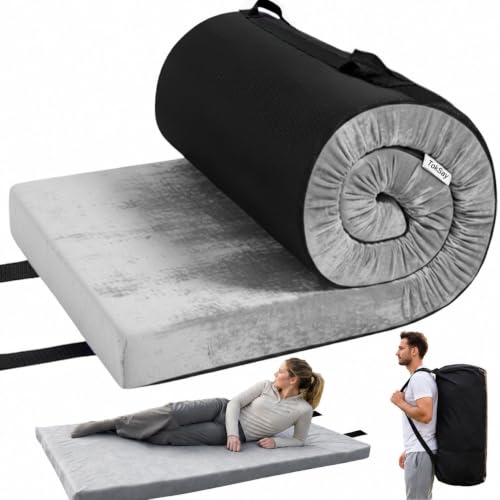
Sleeping Pad for Floor: Your Complete Comfort Guide
Discover how to choose the right floor sleeping pad for camping, guest beds, or everyday comfort — with expert insights on thickness, materials, insulation, and durability.
Why a dedicated floor sleeping pad matters: Whether you're setting up a temporary guest bed, camping in a tent, or looking for a comfortable floor sleeping solution at home, the right pad protects your body from hard surfaces while regulating temperature and moisture. This guide walks you through everything you need to know before you buy — no guesswork, no wasted money.
What Makes a Great Floor Sleeping Pad?
A sleeping pad for floor use is fundamentally different from a standard air mattress or a thin camping mat. When you sleep directly on a hard floor, your body needs consistent support across pressure points — especially hips, shoulders, and spine. A quality floor sleeping pad bridges the gap between you and the unforgiving surface beneath.
The key difference lies in thickness, material density, and surface grip. Unlike pads designed for tent floors (which offer some natural give), floor pads must compensate for zero cushioning from the ground. This means thicker foam layers, more robust air chambers, or hybrid constructions that combine both. If you're comparing options, our guide on sleeping pads for the floor covers additional buying considerations, while those interested in inflatable alternatives can explore single air mattress options for a different comfort profile.
Key Features to Evaluate Before Buying
Thickness & Support
Floor pads should be at least 2.5–3 inches thick for adults. Side sleepers benefit from 3–4 inches to prevent hip and shoulder pressure. Back sleepers can often manage with slightly less.
Material & Durability
Look for puncture-resistant nylon or polyester exteriors with dense foam cores. Closed-cell foam is virtually indestructible but firmer; open-cell foam is plusher but requires more care.
Insulation (R-Value)
For cold floors, an R-value of 3 or higher prevents heat loss. Self-inflating pads with foam cores naturally insulate better than pure air pads, which can feel chilly without a reflective layer.
Grip & Stability
A textured bottom prevents sliding on hardwood, tile, or laminate. Some pads include anti-slip dots or a rubberized base — essential for safety and uninterrupted sleep.
Portability & Storage
If the pad doubles as a camping mat, prioritize lightweight models with compact stuff sacks. For home guest use, a slightly bulkier self-inflating pad is perfectly acceptable.
Ease of Inflation
Built-in pumps, self-inflating valves, or simple two-way valves make setup effortless. For frequent use, a pad that inflates in under two minutes is a worthwhile convenience feature.
If you're specifically looking for a pad that works well for side sleepers or those with hip pain, our detailed article on side sleepers with hip pain offers targeted recommendations. And for a broader overview of floor sleeping solutions, see the main sleeping pad for floor resource page.
Quality Tiers: Finding Your Sweet Spot
Rather than focusing on prices that fluctuate, it's more useful to think in terms of quality tiers. Each tier represents a different balance of durability, comfort, and features — helping you match a pad to your intended use without overpaying for features you don't need.
| Tier | Best For | Typical Characteristics |
|---|---|---|
| Entry-level | Occasional guest use, short camping trips, budget-conscious buyers | Basic foam or thin air construction, adequate for back sleepers, limited insulation, simpler valves |
| Mid-range | Regular camping, frequent guest bedding, side sleepers needing moderate support | Thicker foam cores, better R-values, anti-slip bases, more durable fabrics, easier inflation systems |
| Premium | Full-time floor sleepers, cold-weather campers, those with joint or back sensitivity | Hybrid foam-air designs, high R-values (4+), reinforced seams, advanced valve systems, superior pressure distribution |
| Luxury | Maximal comfort seekers, permanent guest room setups, glamping | Extra-thick memory foam layers, integrated pumps, quilted surfaces, exceptional insulation and durability |
Keep in mind that a mid-range pad often provides the best value for most households. The jump from entry-level to mid-range typically brings meaningful improvements in comfort and longevity, while premium and luxury tiers cater to specific needs like extreme cold or daily use. If you're also considering a pad for a guest room or a backup bed, our guide on blow-up bed with built-in pump might offer a useful comparison point.
Matching Your Pad to the Floor Surface
Not all floors are created equal. The surface beneath your pad influences how thick and stable it needs to be:
- Hardwood and laminate: Require excellent grip and at least 3 inches of padding. Smooth surfaces magnify pressure points.
- Tile and concrete: Cold and unforgiving — prioritize R-value and thickness. A pad with a reflective layer or foam core is essential.
- Carpet and rugs: Offer natural cushioning, so a thinner pad (2–2.5 inches) may suffice. Grip is less critical.
- Tent floors: Typically nylon or polyester — a floor sleeping pad works well here too, but ensure the pad's bottom is durable enough to resist abrasion.
For camping-specific floor sleeping, consider how the pad integrates with your other gear. A silk sleeping bag liner can add warmth and protect your sleeping bag, while a tarp underneath your tent adds another layer of floor protection and insulation. If you're planning to sleep in a vehicle, explore options like a blow-up mattress for back seat of car for a different approach to portable comfort.
Keeping Your Floor Sleeping Pad in Top Shape
A quality pad can last years with proper care. Here are practical maintenance tips:
- Clean after each use: Wipe down with mild soap and water, then air-dry completely before storing. Avoid harsh chemicals that degrade fabrics.
- Store loosely rolled: Keep the pad partially inflated or loosely rolled to prevent foam compression and valve damage. Avoid storing in a stuff sack long-term.
- Protect from punctures: Use a ground sheet or rug underneath when camping. Check for sharp objects on floors at home before laying out the pad.
- Check valves regularly: Rinse valves to remove debris, and apply a tiny amount of silicone grease if they become stiff.
- Keep away from heat: Store in a cool, dry place — extreme heat can warp foam and weaken adhesives.
If you're also prepping for a camping trip, our guide on how to pack for a camping trip includes tips on rolling and packing sleeping pads efficiently. And for those who camp in colder months, pairing your pad with a temperature-regulating mattress pad can improve comfort significantly.
Frequently Asked Questions
What thickness should a sleeping pad for floor have?
For floor sleeping, a thickness of at least 3 inches (7.6 cm) is recommended for side sleepers and adults. Back sleepers may find 2 to 3 inches sufficient. Thicker pads (4 inches or more) provide better pressure relief and insulation from hard floors.
Can I use a camping sleeping pad on a hard floor at home?
Yes, camping sleeping pads work well on hard floors, but choose one with a higher R-value and adequate thickness for comfort. Self-inflating or foam pads are generally more durable for indoor floor use than ultralight air pads.
What is the best sleeping pad for floor for guests?
For guest use, a self-inflating pad or a thick air pad with a built-in pump is convenient. Look for models that are easy to set up, store compactly, and offer a balance of comfort and durability. Mid-range options typically provide the best value for occasional guest use.
How do I prevent a sleeping pad from sliding on the floor?
Choose a pad with a textured or grip bottom surface. Placing a non-slip rug pad or a thin yoga mat underneath can also prevent sliding. Avoid using pads on highly polished surfaces without an anti-slip layer.
Are sleeping pads for floor comfortable for side sleepers?
Side sleepers need thicker pads (3 inches or more) to prevent hip and shoulder pressure. Look for pads with supportive foam or air chambers that distribute weight evenly. Memory foam or hybrid pads are often the most comfortable for side sleepers on hard floors.
Ready to Choose Your Floor Sleeping Pad?
Explore our recommended products below — hand-picked for comfort, durability, and value across every quality tier.
Browse Top Picks