Single Air Mattress: Your Complete Guide to Solo Camping Comfort
Everything you need to know about choosing, using, and caring for a single air mattress. Discover how the right solo mattress transforms your camping experience from restless nights to deep, restorative sleep under the stars.
Explore Comfort GuideWhy a Single Air Mattress Matters: Solo campers have unique needs. A mattress that's too wide wastes precious tent space, while one that's too thin leaves you feeling every root and rock. This guide cuts through the noise, helping you understand the key factors that separate a mediocre night's sleep from a truly rejuvenating outdoor experience.
Understanding Single Air Mattress Dimensions & Comfort
A single air mattress, typically measuring around 30 to 38 inches wide and 72 to 78 inches long, is designed for one sleeper. Unlike larger queen or king models, these mattresses prioritize portability and space efficiency, making them ideal for backpacking setups and solo trips where every inch of tent floor counts. However, the compact footprint doesn't mean you have to compromise on comfort. The key lies in understanding the construction and materials that determine support and durability.
Modern single air mattresses range from ultra-lightweight sleeping pads to robust, raised models that mimic the feel of a home bed. The internal structure—whether it uses vertical beams, coil systems, or a simple chamber design—directly impacts how well the mattress distributes your weight. For side sleepers, adequate thickness is crucial to prevent shoulder and hip pressure points, while back sleepers benefit from a firmer, more uniform surface. If you frequently experience discomfort, you might also consider a temperature-regulating mattress pad to enhance breathability and moisture management, a common issue with standard air chambers.
Another critical factor is the mattress height. Entry-level models are often just a few inches thick, prioritizing packability. Mid-range options may offer 6 to 8 inches of loft, providing better insulation from cold ground. Premium and luxury tiers can feature 18 inches or more, with built-in pumps and headboards for a truly bed-like experience. For those who struggle with hip pain, a specialized mattress topper for side sleepers with hip pain can be a game-changer, adding a layer of pressure-relieving foam over the air chamber.
Key Features to Evaluate Before You Buy
Pump Type & Inflation
Manual foot pumps are common on budget-friendly models, requiring physical effort but eliminating battery dependence. Built-in electric pumps—rechargeable or battery-operated—are a hallmark of mid-tier and high-end mattresses, offering effortless setup. For ultimate convenience, look for models with a built-in pump that inflates and deflates in minutes.
Material & Durability
Most single air mattresses use PVC or TPU. PVC is heavier and more affordable (entry-level), while TPU is lighter, more puncture-resistant, and often found in premium backpacking pads. The denier rating of the fabric—if applicable—indicates abrasion resistance. A higher denier means a more durable mattress, which is essential if you camp on rough terrain.
Weight & Packed Size
For backpackers, weight is paramount. An ultralight single air mattress can weigh under two pounds and pack down to the size of a water bottle. Car campers and glampers can afford heavier, more luxurious models. Consider your primary camping style: if you hike to your campsite, prioritize a lightweight, compact option.
Support & Firmness
Adjustable firmness is a premium feature, allowing you to tailor the mattress to your preference. Some high-end models use internal air chambers that can be independently tuned. For a more traditional bed-like feel, a memory foam mattress topper with cooling gel can be paired with your air mattress to add contouring support and temperature regulation.
Quality Tiers: Entry-Level to Luxury
To help you navigate the market without relying on prices, we've categorized single air mattresses into universal quality tiers. This system focuses on construction, features, and expected longevity, so you can make an informed decision that aligns with your needs and camping frequency.
- Entry-Level / Budget-Friendly: These mattresses are your basic, no-frills option. They typically use standard PVC, a manual foot pump, and offer minimal thickness (2–4 inches). They're suitable for occasional use—perhaps a few nights a year—and are a good starting point for casual campers. Expect a shorter lifespan and less comfort on uneven ground.
- Mid-Range / Mid-Priced: A significant step up in comfort and durability. These models often feature a built-in electric pump (rechargeable or battery), thicker air chambers (6–10 inches), and more robust materials like thicker PVC or entry-level TPU. They offer better support, are less prone to leaks, and are ideal for regular campers who value a good night's sleep.
- Premium / High-End: Designed for serious outdoor enthusiasts and frequent campers. Premium single air mattresses use advanced TPU fabrics, precision-engineered internal structures for superior support, and often include micro-adjustable firmness controls. They are lightweight, highly packable, and built to withstand years of use. Many include integrated pumps that are both fast and quiet.
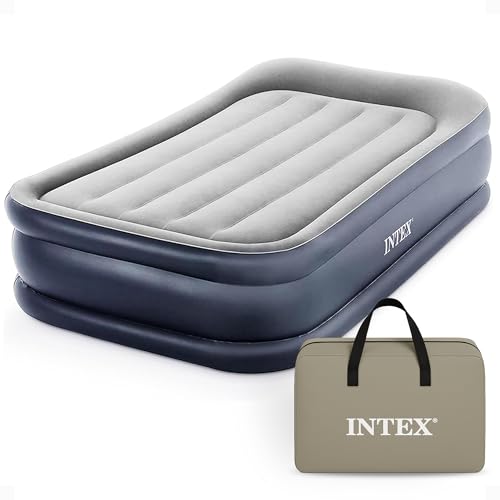
- Luxury: The pinnacle of solo camping comfort. Luxury models may feature a raised twin air mattress with built-in pump and even a headboard, mimicking a real bed. They prioritize plushness, stability, and convenience, often with dual-chamber construction and premium flocked surfaces. These are best for glamping or car camping where weight and space are not concerns.
Pros and Cons of Single Air Mattresses
✅ Advantages
- Space-efficient in solo tents
- Lightweight and portable (especially TPU models)
- Adjustable firmness on premium models
- Easy to clean and store
- Provides better insulation than a thin sleeping pad
- Available with built-in pumps for quick setup
❌ Disadvantages
- Can be noisy when moving (PVC models)
- Risk of punctures on rough ground
- May lose air overnight in colder temperatures
- Less breathable than foam mattresses
- Entry-level models may lack support for side sleepers
- Heavier than ultralight sleeping pads
Setup, Care, and Maintenance
Proper care extends the life of your single air mattress and ensures a comfortable night's sleep. Always place a ground sheet or tarp beneath your tent to protect the mattress from punctures caused by twigs or rocks. When inflating, avoid overfilling—especially in warm weather, as the air expands and can stress the seams. In cold weather, the air inside contracts, so you may need to top it up before bed.
After each trip, deflate the mattress completely and clean it with mild soap and water. Avoid harsh chemicals. Store it loosely rolled or folded in a cool, dry place, away from direct sunlight, which can degrade the materials over time. For those who camp in humid environments, a silk sleeping bag liner can add a layer of moisture management and keep your mattress surface cleaner.
If you're setting up camp in challenging conditions, such as on a platform or in the rain, proper preparation is key. Learn more about setting up a tent on a platform or setting up a tent in the rain to protect your sleeping system. For winter camping, a winter sleeping bag paired with your air mattress will keep you warm, but remember that air mattresses can conduct cold from the ground; an insulated pad underneath is highly recommended.
Who Should Choose a Single Air Mattress?
Solo adventurers, minimalist campers, and backpackers will find a single air mattress to be the perfect balance of comfort and portability. It's also an excellent choice for children or teenagers who have outgrown a sleeping pad but don't need a full-size mattress. If you're a side sleeper with hip pain, look for a model with a thicker profile and consider pairing it with a specialized topper like the mattress topper for side sleepers with hip pain. For those who prioritize convenience, a single bed air mattress with built-in pump is a game-changer, eliminating the need for separate pumps or lung power.
If you're new to camping, a single air mattress is a forgiving introduction to outdoor sleeping. It's more comfortable than the ground and helps you acclimate to sleeping in a tent. As you gain experience, you can refine your setup with accessories like a camping storage bin to keep your gear organized, or a camping power bank to recharge your pump.
Ready to Upgrade Your Solo Camping Experience?
Explore our curated selection of single air mattresses from trusted brands. Whether you need an ultralight pad for backpacking or a luxurious raised mattress for car camping, we've got you covered.
View Recommended GearFrequently Asked Questions About Single Air Mattresses
How do I prevent my single air mattress from losing air overnight?
Air loss is often due to temperature changes. In cold weather, the air inside contracts, making the mattress feel softer. Top it up before bed. Also, check that the valve is fully sealed and inspect for small punctures. A ground tarp underneath prevents damage from debris.
Can I use a single air mattress for backpacking?
Yes, but choose a lightweight, compact model specifically designed for backpacking. Look for TPU construction and a packed size that fits easily in your pack. Ultralight single air mattresses can weigh under two pounds.
What's the best way to clean a single air mattress?
Deflate fully and wipe with mild soapy water. Rinse with a damp cloth and allow to air dry completely before storing. Avoid harsh chemicals and never machine wash. For tough stains, a soft brush can help.
Are single air mattresses suitable for side sleepers?
It depends on the thickness. Side sleepers need a mattress that's thick enough (at least 6 inches) to prevent bottoming out. Premium models with adjustable firmness or a mattress topper for hip pain can provide excellent support.
How long does a single air mattress last?
With proper care, a mid-range or premium single air mattress can last several years. Entry-level models may need replacement sooner. Store it properly, avoid overinflation, and use a protective ground sheet.
Can I use a single air mattress on a camping cot?
Yes, but ensure the cot's surface is smooth and free of sharp edges. A mattress on a cot can provide extra insulation and comfort. Just be mindful of the mattress's dimensions—choose one that fits the cot's size.
For more information on creating a comfortable sleep system, explore our guide to sleeping pads for the floor or learn about temperature-regulating mattress pads to enhance your setup.