Sleeping Pads for the Floor: The Complete Comfort Guide
Discover how to choose the perfect floor sleeping pad for guests, camping, or everyday use. Compare thickness, materials, support, and durability to make an informed decision.
COMPARE TYPESWhy a Floor Sleeping Pad Matters: Whether you're hosting overnight guests, setting up a temporary bedroom, or camping indoors, a quality floor sleeping pad protects your body from hard surfaces, regulates temperature, and ensures restorative sleep. The right pad transforms any floor into a comfortable, supportive sleep space.
Why Choose a Sleeping Pad for the Floor?
Sleeping pads designed for floor use serve a unique purpose that differs from traditional camping pads. While backpacking pads prioritize lightweight packability, floor pads emphasize comfort, stability, and durability for stationary use. Understanding these distinctions helps you make a smarter purchase.
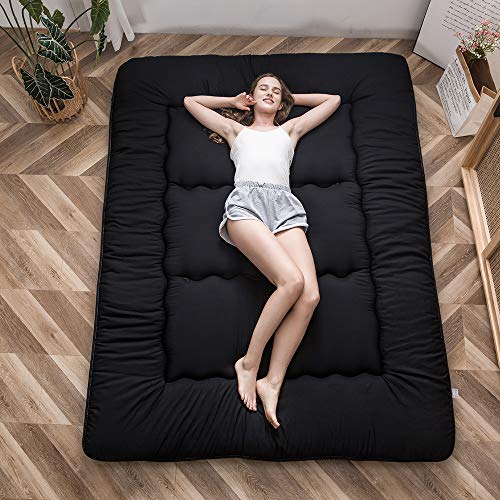
Floor sleeping pads are versatile solutions for guest rooms, studio apartments, dormitories, camping trips, and temporary living arrangements. They provide essential cushioning against hard floors, insulate from cold surfaces, and can be easily stored when not in use. For those who frequently host visitors or need a flexible sleep solution, a quality floor pad is an invaluable investment.
When selecting a floor pad, consider factors like thickness, material, firmness, and ease of maintenance. Air pads offer adjustable firmness and compact storage, while foam pads provide consistent support and puncture resistance. Hybrid designs combine the best of both worlds. If you're also considering a dedicated floor sleeping pad or exploring options for side sleepers with hip pain, understanding these fundamentals will guide your decision.
Types of Floor Sleeping Pads Compared
Use this comparison to understand the trade-offs between different pad constructions. All tiers are described relatively, without reference to specific pricing.
| Type | Thickness Range | Support & Comfort | Durability | Portability | Best For | Quality Tier |
|---|---|---|---|---|---|---|
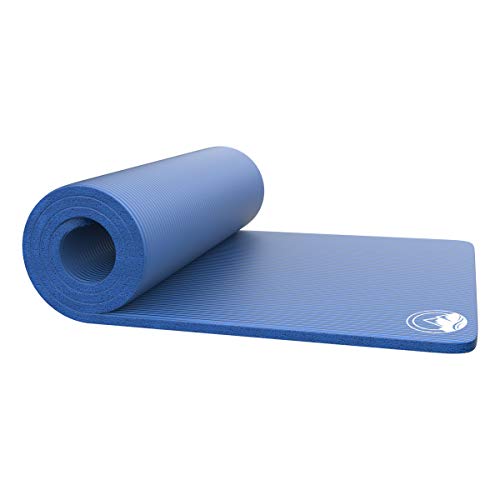
| Foam Pad | 1.5 – 4 inches | Firm, consistent support; no adjustability | High – puncture-proof, long-lasting | Low – bulky, doesn't compress much | Guest beds, daily use, camping | Entry-Level |
| Air Pad | 2 – 4 inches | Adjustable firmness; can feel unstable | Medium – susceptible to punctures | High – packs small, lightweight | Travel, occasional guests, camping | Mid-Range |
| Hybrid (Air-Foam) | 3 – 4 inches | Balanced support with adjustability | High – foam core adds resilience | Medium – bulkier than pure air | Daily use, premium guest beds | Premium |
| Self-Inflating | 1.5 – 3 inches | Foam core with air adjustment | High – durable construction | Medium – rolls compactly | Camping, occasional floor use | Mid-Range |
| Memory Foam Topper | 2 – 4 inches | Plush, contouring comfort | Medium – can compress over time | Low – bulky, heavy | Permanent floor beds, guest rooms | Premium |
Key Features to Evaluate Before Buying
Thickness and Loft
Thickness directly impacts comfort on hard floors. For floor use, aim for at least 3 inches of loft. Thinner pads (1–2 inches) may suffice for lightweight camping but often feel inadequate on hardwood or tile. A 4-inch pad provides premium comfort for daily use or guest accommodations. Remember that thicker pads can feel less stable, especially air-filled models.
Material and Construction
The material affects durability, comfort, and maintenance. Polyester and nylon are common for air pads due to their strength-to-weight ratio. TPU (thermoplastic polyurethane) linings are more durable than PVC. Foam pads often use closed-cell or open-cell foam — closed-cell is firmer and more durable, while open-cell is softer but absorbs moisture. For everyday floor use, consider a pad with a washable cover for hygiene. If you're interested in temperature regulation, explore temperature-regulating mattress pads for added comfort.
Stability and Non-Slip Bottom
A floor pad that slides on hardwood or tile is both annoying and unsafe. Look for pads with a textured or non-slip bottom surface. Some models feature anti-slip dots or a tacky coating that grips the floor. Foam pads naturally offer more grip than smooth air pads. If you plan to use the pad on a slippery surface, consider placing a rug or non-slip mat underneath. For those who prefer a traditional air mattress, a single air mattress might be an alternative, though they lack the specialized grip of floor pads.
Insulation and Warmth
Floors can be cold, especially in winter or on concrete. Sleeping pads with an R-value (insulation rating) of 3 or higher provide adequate warmth for indoor floor use. Air pads without insulation can feel chilly because the air inside cools to room temperature. Foam pads offer natural insulation. If you're camping in colder conditions, explore winter sleeping bags and winter camping gear to complement your setup.
Ease of Inflation and Deflation
Air and hybrid pads require inflation. Look for models with built-in pumps or large valves for quick setup. Manual inflation via breath can introduce moisture into the pad, reducing insulation over time. Self-inflating pads are convenient but may need additional air for full firmness. For frequent use, a pad with a built-in pump saves time and effort. If you're considering an air mattress instead, a blow-up bed with built-in pump offers similar convenience.
Who Benefits Most from a Floor Sleeping Pad?
- Hosts and Guest Rooms: Provide comfortable, temporary sleeping arrangements without the expense of a full bed frame. A quality pad can be stored easily and deployed when needed.
- Campers and Outdoor Enthusiasts: Use as a base layer in tents or as a standalone sleep surface in cabins and shelters. Pairs well with a sleeping bag temperature guide to ensure warmth.
- Minimalists and Small Space Dwellers: Perfect for studio apartments, tiny homes, or dorm rooms where space is at a premium.
- Caregivers and Medical Use: Provides a comfortable surface for temporary bedding. For specialized needs, consider a mattress for bedridden patients or a firm mattress topper for back pain.
- Event and Festival Goers: Portable and easy to transport for overnight stays at festivals, retreats, or temporary accommodations.
Maintenance Tips for Longevity
Proper care extends the life of your floor sleeping pad and ensures hygienic use:
- Clean regularly: Wipe down air and foam pads with mild soap and water. Use a biodegradable soap if you're environmentally conscious. Allow to air dry completely before storage.
- Store properly: Keep pads loosely rolled or flat (for foam) in a cool, dry place. Avoid compressing foam pads for extended periods, as this reduces loft.
- Protect from punctures: Keep air pads away from sharp objects. Consider a protective mat or rug underneath. Patch kits are available for minor repairs.
- Use a cover: A washable cover or sheet protects the pad from sweat and dirt, extending its lifespan and maintaining hygiene.
Related Sleeping Solutions
If you're exploring different sleeping arrangements for your home or outdoor adventures, consider these related options:
- Double bed air mattress with built-in pump – for couples or extra space.
- Queen-size air mattress with built-in pump – a larger alternative for guest rooms.
- Memory foam mattress topper for side sleepers – adds plush comfort to any surface.
- All-in-one sleeping bag and mattress – a compact solution for camping.
- Single air mattress – a classic choice for temporary floor sleeping.
Frequently Asked Questions
For floor use, a thickness of 3 to 4 inches is ideal. This provides enough cushioning to protect against hard surfaces while maintaining stability. Thinner pads (1–2 inches) work for occasional use or lightweight camping, while thicker pads (4+ inches) offer premium comfort for daily use or guest beds. Consider your sleeping position — side sleepers may benefit from thicker pads to prevent hip and shoulder pressure.
Yes, many camping pads work well on hard floors, but choose a model with adequate thickness and a non-slip bottom. Air pads with 3+ inches of thickness and foam pads with a firm base are best. Avoid ultralight backpacking pads, which are too thin for comfortable floor use. If you're planning to camp, a dedicated sleeping pad for floor use offers better comfort than a minimalist backpacking pad.
Look for pads with a textured or non-slip bottom surface. Placing a rug or non-slip mat underneath also helps. Some pads come with anti-slip dots or a tacky coating. Foam pads naturally grip better than smooth air pads. If you're using the pad on a slippery surface like polished concrete, a rug underneath is highly recommended.
Yes, but choose a high-quality model with durable materials and adequate thickness (4+ inches). Foam pads or hybrid air-foam pads are more durable for daily use than pure air pads. Consider a pad with a washable cover for hygiene. For long-term use, a memory foam mattress topper with cooling gel can provide additional comfort and temperature regulation.
Air pads are inflatable, pack small, and offer adjustable firmness, but can puncture and may feel unstable. Foam pads are puncture-proof, provide consistent support, and are quieter, but bulkier and less packable. Hybrid pads combine both for the best of both worlds — the support of foam with the adjustability of air. Your choice depends on your priorities: portability vs. durability vs. comfort.
Ready to Transform Your Floor into a Comfortable Bed?
Browse our curated selection of top-rated sleeping pads for the floor. Whether you need a temporary guest bed, a camping companion, or a permanent sleeping solution, we've got you covered.
VIEW RECOMMENDED PRODUCTS