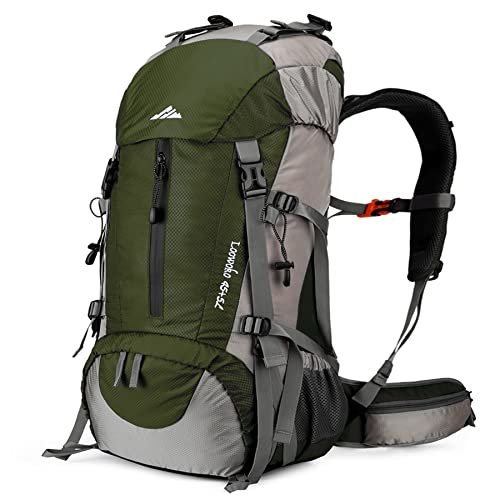
Camping Backpacks: The Ultimate Guide to Choosing Your Perfect Pack
Discover how to select the ideal camping backpack for your adventures. From capacity and suspension to materials and fit, we cover everything you need to make an informed decision.
START YOUR RESEARCHWhy Your Backpack Matters: A well-chosen camping backpack is more than just a container for your gear—it is your lifeline on the trail. The right pack distributes weight efficiently, protects your equipment, and allows you to move comfortably for hours. Whether you are planning a weekend car camping trip or a multi-day backpacking expedition, understanding the key features of camping backpacks will help you invest wisely and enjoy your outdoor experiences to the fullest.
How to Choose a Camping Backpack
Selecting the right camping backpack requires careful consideration of several factors. The most important aspects to evaluate are capacity, suspension system, materials, and fit. Each of these elements directly impacts your comfort and the functionality of your pack during your outdoor adventures.
Capacity: Matching Pack Size to Trip Length
Backpack capacity is measured in liters and should align with your trip duration and gear requirements. Choosing the wrong capacity can lead to discomfort or insufficient space for essential items.
- Entry-level (20-35 liters): Ideal for day hikes and short excursions
- Mid-range (35-50 liters): Suitable for overnight trips and minimalist campers
- Premium (50-70 liters): Best for multi-day backpacking adventures
- Luxury (70+ liters): Designed for extended expeditions and family camping
For those new to camping, reading our backpacking trip checklist can help you estimate the volume of gear you need to carry.
Suspension System: Comfort Over Distance
The suspension system determines how well your pack carries weight and transfers it to your hips. A quality suspension system is essential for preventing fatigue and discomfort during long hikes.
- Internal frame: Offers stability and load transfer for heavy loads
- External frame: Provides ventilation and is ideal for bulky gear
- Frameless: Lightweight option for minimalists and ultralight backpackers
Padded shoulder straps and a well-designed hip belt are non-negotiable for any serious camping backpack. These features distribute weight evenly and reduce strain on your shoulders and back.
Materials: Durability Meets Weight
The materials used in your backpack affect its weight, durability, and weather resistance. Understanding material properties helps you choose a pack that matches your adventure style.
- Nylon: Lightweight and durable, ideal for most camping backpacks
- Polyester: Resistant to UV damage and abrasion
- Ripstop fabric: Prevents tears from spreading, enhancing longevity
- Waterproof coatings: Protect gear from rain and moisture
If you are considering different tent materials for your camping setup, our article on whether nylon or polyester is better for tents provides useful context on fabric performance.
Fit: The Foundation of Comfort
A properly fitted backpack is essential for comfort and injury prevention. Your torso length, not your height, determines the correct pack size. Most manufacturers offer packs in specific torso ranges.
- Measure your torso length from the C7 vertebra to your iliac crest
- Adjust the hip belt to sit on your hips, not your waist
- Ensure shoulder straps curve comfortably without gaps
- Test the pack with weight to simulate real-world conditions
Taking the time to get properly fitted at an outdoor retailer or following manufacturer sizing guides will significantly improve your camping experience.
Types of Camping Backpacks
Different camping styles require different backpack designs. Understanding the distinctions between backpack types helps you narrow down your options and choose a pack that aligns with your specific needs.
Weekend Warrior Packs
These mid-range packs typically offer 40-50 liters of capacity and are designed for one to three-night trips. They balance capacity with weight and often include features like multiple compartments, hydration compatibility, and external attachment points.
Weekend packs are excellent for car camping trips where you might also bring along a backpack with cooler compartment for food storage.
Multi-Day Backpacking Packs
Premium backpacking packs range from 50-70 liters and are built for extended adventures. They feature robust suspension systems, superior load distribution, and durable materials capable of withstanding rigorous use.
When planning extended trips, consider how you will manage hydration. Our guide on mountain biking hydration packs offers insights into hydration systems that can complement your backpack setup.
Ultralight Backpacks
For experienced backpackers focused on speed and distance, ultralight packs prioritize minimal weight without sacrificing essential functionality. These packs typically weigh under two pounds and use advanced materials like Dyneema and Cuben fiber.
Ultralight backpacking often pairs with minimalist shelter choices like a bivy sack tent to reduce overall pack weight.
Family and Basecamp Packs
Luxury camping backpacks for families or basecamp setups prioritize capacity and organization over weight savings. These packs may exceed 70 liters and include features like multiple access points, removable daypacks, and extensive organizational pockets.
For family camping adventures, these packs work well alongside comprehensive camping backpacks and other equipment for camping to ensure everyone has what they need.
Key Features to Evaluate
Beyond the basics, certain features can significantly enhance your backpacking experience. Understanding what each feature offers helps you prioritize based on your specific camping style and preferences.
| Feature | Benefits | Best For |
|---|---|---|
| Hydration Sleeve | Allows hands-free drinking; keeps water accessible | Hikers, bikers, active campers |
| Rain Cover | Protects gear from moisture; often stored in dedicated pocket | Wet climates, unpredictable weather |
| External Attachment Points | Secures bulky items like tents or sleeping pads | Backpackers with varied gear |
| Multiple Access Points | Front panel or bottom access for easy gear retrieval | Travelers, organized campers |
| Ventilated Back Panel | Reduces sweating; improves airflow during exertion | Warm weather, high-effort activities |
| Compression Straps | Stabilizes load; reduces pack volume as gear is consumed | Multi-day trips, variable loads |
Maintaining Your Camping Backpack
Proper maintenance extends the life of your backpack and ensures it performs reliably when you need it most. Regular care also prevents odors, mold, and material degradation.
Cleaning Your Backpack
After each trip, empty your pack completely and shake out debris. For deeper cleaning, use mild soap and lukewarm water with a soft brush. Avoid machine washing, which can damage coatings and hardware.
- Remove all gear and check pockets for forgotten items
- Use a damp cloth for spot cleaning
- Hang dry in a shaded area away from direct sunlight
- Never use bleach or harsh chemicals
Storage Best Practices
How you store your backpack between trips affects its longevity. Proper storage prevents mold, maintains shape, and protects materials from degradation.
- Store in a cool, dry place away from direct sunlight
- Loosen all straps and compression cords
- Hang or lay flat to maintain shape
- Avoid storing in damp basements or hot attics
If you are storing other camping equipment, our guide on how long tents last provides similar storage and care insights that apply to various outdoor gear.
Repairs and Replacement
Minor repairs can extend your backpack's life significantly. Many manufacturers offer repair kits or services for common issues.
- Replace broken buckles with aftermarket replacements
- Use seam sealant for minor fabric tears
- Replace worn hip belts or shoulder straps if available
- Consider professional repair for structural damage
Knowing when to repair and when to replace is key. If the frame is bent or multiple zippers fail, replacement may be more practical than repair.
Packing Your Backpack Efficiently
How you pack your backpack affects your comfort, balance, and access to gear. Following proven packing strategies ensures a smoother outdoor experience.
Weight Distribution Fundamentals
Placing weight strategically prevents fatigue and improves stability on the trail. The general rule is to keep heavier items close to your spine and centered between your shoulder blades.
- Heavy gear (food, stove, water) near your back and at mid-height
- Lightweight items (sleeping bag, clothes) at the bottom
- Frequently used items in side pockets or top lid
- Balance weight evenly between left and right sides
Learning proper packing techniques can also help with tents that can be erected by one person, as a well-organized pack makes solo setup easier.
Essential Items Checklist
Regardless of trip length, certain items should always be in your backpack. Building a consistent packing routine prevents forgotten essentials.
- Navigation tools (map, compass, GPS)
- Hydration system or water bottles
- Nutrition and snacks
- Emergency shelter (space blanket, emergency bivy)
- First aid kit
- Lighting (headlamp, flashlight)
- Sun protection
- Multi-tool or knife
Our what to bring on a camping trip guide offers a comprehensive list that you can adapt to your specific adventures.
Frequently Asked Questions
The ideal backpack size depends on your trip duration and the amount of gear you need to carry. For overnight trips, a 40-50 liter pack is typically sufficient. Multi-day backpacking trips usually require 50-70 liters, while extended expeditions may need 70 liters or more. Consider your camping style, the season, and whether you are carrying shared group gear when making your decision. If you are unsure, it is often better to choose a slightly larger pack that can be compressed than one that is too small.
A properly fitted backpack has the hip belt sitting on your iliac crest (the top of your hip bones), with the shoulder straps curving over your shoulders without gaps or pressure points. The sternum strap should be adjustable and positioned for comfort. When loaded with weight, the pack should feel stable and balanced, with most of the weight transferred to your hips rather than your shoulders. Torso length, not height, determines the correct pack size, so measure carefully or get fitted at a reputable outdoor retailer.
Internal frame backpacks have the frame integrated into the pack body, providing a streamlined profile and better balance for hiking on uneven terrain. They are the most common choice for backpackers today. External frame backpacks have a visible frame structure outside the pack body, offering better ventilation and easier organization, but they can be bulkier and less stable on technical trails. For most camping and backpacking applications, internal frame packs are recommended for their versatility and comfort.
Higher-tier backpacks generally offer better materials, more refined suspension systems, and superior craftsmanship compared to entry-level options. The question of whether they are worth the investment depends on your frequency of use and specific needs. For occasional campers, a mid-range pack may provide excellent value. For frequent backpackers or those embarking on demanding expeditions, premium materials and designs can significantly enhance comfort and durability. Our article on whether expensive tents are worth it applies similar reasoning to backpack investment decisions.
Pack heavier items close to your spine and at mid-back level to keep the weight centered. Place lighter items like sleeping bags and clothing at the bottom. Frequently accessed items should go in side pockets, hip belt pockets, or the top lid. Use compression straps to stabilize your load and prevent shifting. Distribute weight evenly between left and right sides. This strategy minimizes fatigue and improves balance on the trail, making your camping experience more enjoyable.
Final Thoughts
Choosing the right camping backpack is an investment in your outdoor comfort and enjoyment. By understanding capacity, suspension, materials, and fit, you can make an informed decision that meets your specific needs. Remember that the best backpack is one that fits you well and suits your adventure style.
Before your next trip, take the time to research options thoroughly, read reviews, and if possible, try on different models with weight. A well-chosen backpack will serve you reliably for many seasons of outdoor exploration. Whether you are a beginner or an experienced backpacker, the right pack makes every adventure more comfortable and enjoyable.
For more guidance on planning your camping adventures, explore our comprehensive camping FAQ and first time camping tips to ensure you are fully prepared for your next outdoor experience.