Hiking Rain Gear: Complete Guide to Staying Dry on the Trail
Everything you need to know about waterproof jackets, rain pants, ponchos, and pack covers — so you can hike confidently in wet weather.
START READINGWhy Rain Gear Matters: Getting caught in the rain without proper protection isn't just uncomfortable — it can lead to hypothermia, ruined gear, and abandoned trips. The right rain gear keeps you warm, dry, and moving. This guide covers fabric technology, layering systems, and the specific pieces that belong in every hiker's pack.
Rain is one of the few certainties on the trail. Even in regions known for dry weather, sudden storms roll in without warning. The difference between a miserable slog and an enjoyable wet-weather hike comes down to preparation — specifically, understanding how rain gear works and choosing pieces that match your hiking style. Whether you're planning a multi-day trek through a rainforest or a day hike in unpredictable mountains, this guide walks you through every layer of protection you need.
Understanding Waterproof vs. Water-Resistant
Before buying anything, you need to understand the language of rain protection. Not all "waterproof" labels mean the same thing, and confusing water-resistant with waterproof can leave you soaked.
Water-Repellent
Light drizzle protection only. The fabric sheds brief moisture but will soak through under sustained rain. Best for windbreakers and emergency layers.
Entry-LevelWater-Resistant
Handles light to moderate rain for short periods. Usually treated with a DWR (Durable Water Repellent) coating that wears off over time.
Mid-RangeWaterproof
Fully sealed seams, laminated membranes, and tested hydrostatic head ratings. Stays dry through heavy, sustained rain. Essential for serious hiking.
Premium to LuxuryWaterproof + Breathable
The gold standard. Blocks rain while letting sweat vapor escape. Uses membranes like Gore-Tex, eVent, or proprietary alternatives. Best for active hiking.
High-EndThe key metric for waterproofing is the hydrostatic head — a measure of how much water pressure a fabric can withstand before leaking. For hiking, look for a minimum of 10,000mm, though 20,000mm or higher is preferable for exposed mountain terrain. Breathability is measured in grams of moisture vapor transmitted per square meter per day (g/m²/24h). Higher numbers mean better sweat management during exertion. If you want to understand how layering fits into the broader picture, our guide to layering clothing for cold weather explains the principles that apply year-round.
Hiking Rain Jackets: The Core Layer
A rain jacket is the single most important piece of rain gear you'll carry. It needs to block wind and water while allowing enough breathability that you don't overheat on steep climbs. There are three main jacket categories to consider.
Hardshell Jackets
The most protective option. Fully waterproof and windproof with sealed seams and a laminated membrane. Ideal for exposed alpine environments, sustained rain, and winter conditions. Slightly less breathable than softshells but far more weather-resistant.
PremiumSoftshell Jackets
Stretchy, breathable, and comfortable for active movement. Water-resistant rather than fully waterproof. Great for cool, dry days or light precipitation. Many hikers pair a softshell with a lightweight emergency shell.
Mid-RangeLightweight Rain Jackets
Ultralight options that pack down to the size of a fist. Often called "emergency shells." Excellent for summer hiking and fastpacking where every gram counts. Less durable and less breathable than hardshells but far more portable.
Budget-Friendly to Mid-Tier3-in-1 Jackets
A waterproof shell with a removable insulated liner. Versatile for changing seasons — wear the shell alone in summer rain, add the liner for cold-weather hikes. Bulkier and heavier than dedicated pieces.
Mid-PricedKey Jacket Features to Evaluate
- Taped seams: Every seam should be sealed with waterproof tape. Untaped seams are the most common failure point in rain jackets.
- Pit zips: Underarm ventilation zippers let you dump heat during climbs without removing the jacket. Essential for hardshells.
- Adjustable hood: A hood that cinches down and moves with your head — not one that blocks peripheral vision. Helmet-compatible hoods matter for climbers.
- Storm flap: A flap over the main zipper prevents water from seeping through the zipper teeth.
- Hem and cuff adjustments: Elastic or Velcro cuffs and a drawcord hem keep water out and seal in warmth.
- Pocket placement: Chest pockets should sit above a backpack hip belt. Hand pockets should be accessible while wearing a pack.
If you're hiking in sustained cold rain or planning trips that extend into shoulder seasons, a dedicated cold-weather tent and appropriate insulation become part of the same system. Rain gear doesn't work in isolation — it's one component of a layered approach that also includes base layers, midlayers, and proper footwear like summer trekking boots.
Rain Pants: Protecting Your Lower Half
Many hikers invest in a quality jacket and neglect their legs. This is a mistake. Wet legs lead to chafing, rapid heat loss, and misery on the trail. Rain pants are lightweight, packable, and dramatically improve comfort in wet conditions.
| Type | Best For | Weight | Breathability | Durability |
|---|---|---|---|---|
| Full-Zip Rain Pants | Alpine climbing, winter hiking, frequent on/off | Moderate | Good | High |
| Ankle-Zip Rain Pants | General hiking, trail running, travel | Light | Moderate | Moderate |
| Pull-On Rain Pants | Ultralight backpacking, emergency use | Very Light | Basic | Lower |
| Insulated Rain Pants | Winter hiking, snow sports, extreme cold | Heavy | Moderate | High |
Full-zip pants are the most versatile — you can vent them without removing your boots, which matters when you're wearing crampons or navigating muddy terrain. Ankle-zip pants offer a good balance of weight and convenience for three-season hiking. Pull-on styles are best reserved as emergency layers for ultralight trips.
Ponchos, Pack Covers, and Hybrid Solutions
Not every hiker needs a full jacket-and-pants system. For some conditions and hiking styles, simpler alternatives work better.
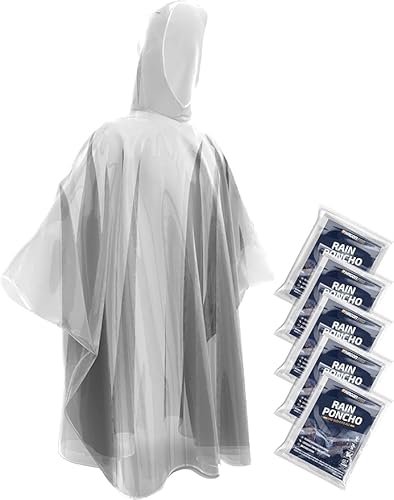
Hiking Ponchos
A single piece that covers your body and backpack. Extremely breathable due to the open design, and easy to throw on over everything. Downsides: flaps in wind, can snag on brush, and offers less arm mobility. Great for warm-weather hiking and casual trails.
Budget-FriendlyPack Covers
A fitted cover that slips over your backpack to keep contents dry. Essential if your pack isn't inherently waterproof. Many packs come with integrated rain covers, but standalone options are inexpensive and effective. Pair with a waterproof daypack for hiking for full protection.
Entry-LevelUmbrella Systems
Ultralight hiking umbrellas attach to pack straps and provide overhead protection without trapping heat. Surprisingly effective in moderate rain and popular among thru-hikers. Not suitable for exposed ridges or heavy wind.
Mid-RangeRain Kilts
A wrap-around skirt that covers your upper legs and allows full airflow. Lighter and more breathable than rain pants. Popular in ultralight circles. Less protective in driving rain or dense brush.
Mid-TierEssential Rain Gear Accessories
- Waterproof gloves: Neoprene or waterproof-breathable gloves keep your hands functional in cold rain. Avoid cotton or leather, which soak through and lose insulation value.
- Gaiters: Keep water, mud, and debris out of your boots. Especially valuable on overgrown trails and in boggy terrain.
- Waterproof hat or hood: A wide-brimmed waterproof hat keeps rain off your face and glasses. Many hikers pair a cap with a jacket hood for full coverage.
- Dry bags or stuff sacks: Line your pack with a waterproof liner or use individual dry bags for sleeping bag, clothes, and electronics. Even "waterproof" packs can leak through zippers and seams.
- Waterproof phone pouch: Protects your phone and allows touchscreen use through the case. Essential for navigation in wet conditions.
If you're building a complete wet-weather kit, consider how these pieces integrate with your existing gear. A good backpacking pack with proper rain protection, combined with a reliable water source like a hiking drinking bottle, forms the foundation of any multi-day trek. For cold-weather adventures, the principles in our how to stay warm in winter guide apply directly to wet-weather layering.
Fabric Technology: What Actually Works
Understanding the materials behind rain gear helps you evaluate claims and choose wisely. Here's a breakdown of the most common fabric technologies.
Gore-Tex
The benchmark for waterproof-breathable membranes. Expanded PTFE structure with billions of pores per square inch — too small for water droplets, large enough for vapor molecules. Available in multiple variants (Paclite, Active, Pro) optimized for different activities.
Premium to LuxuryeVent
Similar to Gore-Tex but uses a different membrane structure that allows direct vapor transfer without a PU layer. Known for excellent breathability in high-exertion activities. Less common but highly regarded by mountaineers.
High-EndPertex Shield
A lightweight, packable membrane used in many ultralight jackets. Good breathability and water resistance for three-season hiking. Not as durable as heavier membranes but significantly lighter.
Mid-RangeDWR Treatments
Chemical coatings applied to the outer fabric that cause water to bead and roll off. DWR isn't waterproofing — it's the first line of defense that keeps the outer fabric from becoming saturated ("wetting out"). Reapply periodically with spray-on or wash-in products.
MaintenanceNo membrane is perfect. All waterproof-breathable fabrics eventually wet out in sustained rain, especially in humid conditions where the vapor pressure difference between inside and outside the jacket is low. This is why ventilation features like pit zips matter — they provide mechanical breathability that supplements the membrane. If you're hiking in consistently wet climates, consider a jacket with excellent mechanical ventilation over one with marginally better membrane specs.
Caring for Your Rain Gear
Rain gear is an investment. With proper care, a quality jacket can last a decade or more. Without it, even premium gear fails within a few seasons.
- Wash regularly: Dirt and body oils clog the membrane and mask DWR. Follow manufacturer instructions — usually a gentle cycle with technical fabric cleaner, no fabric softener or bleach.
- Reapply DWR: When water stops beading on the surface, it's time to reapply. Spray-on treatments are easiest; wash-in products last longer but can affect breathability.
- Tumble dry low: Gentle heat can reactivate DWR and restore water repellency. Check the care label first.
- Store properly: Hang or loosely fold. Avoid compressing waterproof gear for long periods, which can damage the membrane.
- Repair promptly: Small tears and punctures can be patched with adhesive repair tape. Fix them before they grow.
For extended trips where you're counting on your gear day after day, consider bringing a repair kit with Tenacious Tape or similar patches. A punctured jacket in the middle of a multi-day hike is more than an inconvenience — it compromises your entire layering system. The same preparedness mindset applies to safety equipment; our guide to emergency preparedness for camping covers the essentials every hiker should carry.
Ready to Hike in Any Weather?
Browse our recommended hiking rain gear below — jackets, pants, and accessories tested for real trail conditions.
SEE RECOMMENDED GEARFrequently Asked Questions
It depends on conditions and hiking style. Ponchos offer superior breathability and cover your pack, making them ideal for warm-weather hiking and casual trails. Rain jackets provide better wind protection, arm mobility, and durability in brush. For exposed mountain terrain or sustained rain, a jacket paired with rain pants is the more reliable choice. Many experienced hikers carry a lightweight jacket as their primary layer and a poncho as a backup or camp layer.
Breathability ratings range from around 5,000 g/m²/24h for basic shells to over 25,000 g/m²/24h for premium membranes. For casual hiking, 10,000–15,000 is adequate. For strenuous ascents or humid climates, aim for 20,000 or higher. However, breathability isn't just about the membrane — pit zips, chest vents, and front zipper ventilation often make a bigger practical difference than membrane specs alone. A jacket with excellent mechanical ventilation and a mid-range membrane often outperforms a higher-spec membrane with no vents.
Yes, with caveats. A waterproof-breathable rain jacket works for resort skiing in mild conditions, but lacks the insulation, powder skirt, and abrasion resistance of a dedicated ski shell. For backcountry skiing or cold-weather snow sports, you need a jacket designed for low temperatures with proper insulation layering underneath. If you're looking at winter conditions, our winter camping gear guide covers the additional layers you'll need.
Three signs indicate replacement: (1) the membrane has delaminated — you can see bubbles or separation between fabric layers; (2) water consistently soaks through even after reapplying DWR; (3) seams have failed and can't be repaired. If your jacket wets out but keeps you dry, it usually just needs a wash and DWR reapplication. Delamination and seam failure are terminal. Quality gear that's been properly maintained typically lasts 5–10 years of regular use.
Water-resistant fabrics (like softshells and DWR-treated nylon) shed light rain for short periods but eventually soak through. Waterproof fabrics have a membrane or coating that physically blocks water penetration, typically tested to withstand at least 1,000mm of hydrostatic pressure. For hiking, 10,000mm is a practical minimum — heavy rain and backpack pressure can force water through lower-rated fabrics. Water-resistant gear is fine for dry climates and light drizzle; waterproof is essential for sustained wet weather.
If you're hiking in wet climates or shoulder seasons — yes. Wet legs lead to rapid heat loss, chafing, and significantly reduced comfort. Rain pants are lightweight, pack small, and make a disproportionate difference in how long you can comfortably stay on the trail in rain. Hikers who skip rain pants often find themselves cutting trips short when their pants soak through. For warm-weather hiking where rain is brief and temperatures are high, they're less critical — but still worth carrying if there's any chance of sustained rain.