The Complete Guide to Choosing a Sleeping Tent
Your tent is your home in the wild. We break down everything you need to know about types, sizes, and features to help you find the perfect shelter for your adventures.
Your sleeping tent is arguably the most important piece of camping gear you will invest in. It is your shelter, your bedroom, and your sanctuary from the elements. Unlike a simple tarp or a bivvy bag, a tent provides a dedicated, protected space that can transform a challenging night into a comfortable one. However, with a market flooded with options, choosing the right one can feel overwhelming. This guide will walk you through the essential considerations to ensure you make an informed decision.
Whether you are a first-time camper looking for an easy-to-pitch model for a festival, a family seeking a spacious cabin for a summer holiday, or a backpacker counting every ounce, the principles of selection remain the same. We will explore tent types, capacity, seasonal ratings, and key features, helping you match a tent to your specific needs and camping style.
1. Types of Sleeping Tents: Finding the Right Shape
The design of a tent dictates its interior space, stability, and weight. Here are the most common styles you will encounter:
Dome Tents
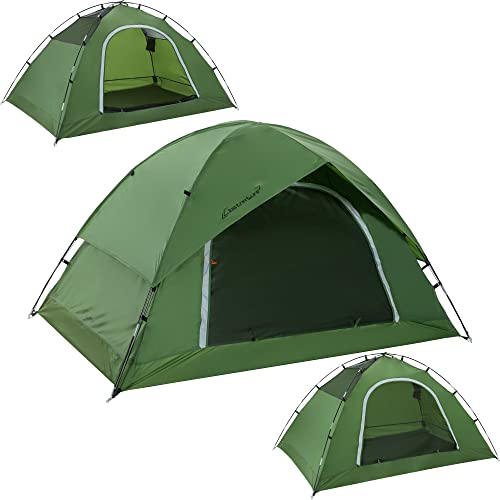
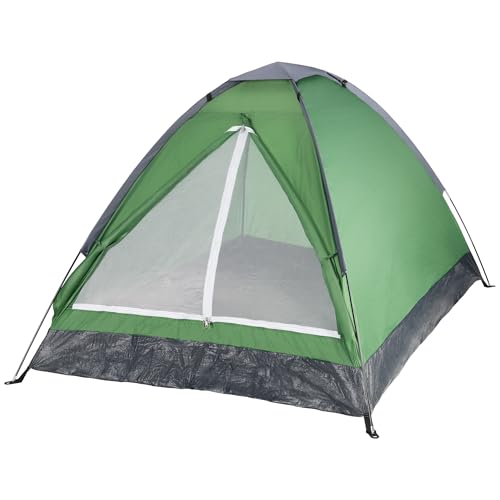
Dome tents are the most popular and versatile style. They are freestanding, meaning they can be pitched almost anywhere and moved once assembled. Their design uses two or more poles that cross at the top, creating a sturdy structure that sheds wind and rain effectively. Dome tents offer a good balance of space-to-weight ratio, making them suitable for everything from car camping to lightweight backpacking. They are an excellent choice for beginners due to their straightforward setup. You can find dome tents in various sizes, from solo models like the easiest 1-person tent to set up to large family versions.
Cabin Tents
Cabin tents are characterized by their near-vertical walls, which maximize interior space and headroom. They are often rectangular or square and are not freestanding, requiring stakes to hold them taut. Cabin tents are ideal for family camping or basecamps where space and comfort are more important than weight. They can be very large, offering room for multiple camping cots, gear, and even a camping table. Models like a 10-person instant cabin tent with screen room provide a palatial living space.
Tunnel Tents
Tunnel tents are elongated and supported by a series of hoop-like poles. They offer excellent stability in strong winds and are often used in winter camping in a tent or expedition scenarios. Their design provides a large vestibule area, which is great for storing gear or cooking. However, they are not freestanding and can be more complex to pitch, requiring careful staking and guy-line management. A tunnel tent is a popular choice for those who prioritize weather resistance.
Pop-Up Tents
Pop-up tents are designed for ultimate convenience. They use pre-assembled poles that snap into shape in seconds, making them perfect for festivals, the beach, or quick trips. While incredibly easy to set up, they can be bulky to pack and may offer less weather protection than a traditional dome tent. They are a great option for a pop-up beach tent sun shade shelter. A pop-up tent you can stand up in can be a game-changer for comfort.
Backpacking Tents
These tents are specifically designed for portability. They are lightweight, pack down small, and prioritize efficiency over luxury. They typically use lightweight aluminum poles and high-quality fabrics. A backpack tent is a specialized piece of gear for those who hike into their campsite. Many are designed as an easiest 2-person tent to set up, making them user-friendly for backpackers.
Roof Top Tents
For the overlanding enthusiast, a roof top tent for full-size truck is a premium choice. These tents mount on a vehicle's roof rack, keeping campers off the ground and away from uneven terrain or wildlife. They are typically a significant investment but offer unmatched convenience and a unique camping experience. You can even find an easiest roof top tent to set up if you prioritize convenience.
2. Understanding Tent Capacity: How Much Space Do You Need?
Tents are rated by the number of people they can sleep. However, these ratings are based on the assumption that occupants are sleeping side-by-side like sardines, with no room for gear. To choose tent size correctly, follow this simple rule: buy a tent rated for one or two more people than will be sleeping in it.
- 1-Person Tent: Ideal for solo backpackers. It offers just enough room for one person and a small pack. For a bit more comfort, a 2-person compact portable pop-up tent can be a great solo option.
- 2-Person Tent: Perfect for a solo camper who wants space for gear, or a very cozy couple. This is the most common size for backpacking. A 2-person pop-up tent with air mattress is a convenient package.
- 3-4 Person Tent: A 3-person tent is great for two campers and their gear. A 4-person tent is the standard for small families or couples who want a lot of space. A 4-person tent you can stand up in offers exceptional comfort.
- 6-Person Tent: A good choice for a family of four or a group of friends. Look for a 6-person dome tent with screen room for added living space.
- 8-Person Tent and Larger: These are basecamp-style tents, perfect for large families or groups. You can find a 8-person instant cabin tent with built-in LED lights for ultimate convenience.
Always check the floor dimensions (width x length) to ensure your camping mats or blow up bed with built in pump will fit side-by-side.
3. Seasonal Ratings: 3-Season vs. 4-Season Tents
Tents are classified by the seasons they are designed to handle.
3-Season Tents
This is the most common type of tent. A 3-season tent is designed for spring, summer, and fall camping. They are characterized by large mesh panels for excellent ventilation, which is crucial for reducing condensation and staying cool in warm weather. They are not designed to withstand heavy snow loads or the extreme wind and cold of deep winter. Most best time to camp is during these three seasons.
4-Season Tents (Winter Tents)
A 4-season tent, also known as a winter tents, is built for the harshest conditions. They have less mesh (often just a small vent), stronger poles, and a more aerodynamic shape to shed wind and support snow. They are heavier and can be stuffy in warm weather. If you plan on camping in the winter in a tent, a 4-season tent is a necessity. They are also great for high-altitude or exposed environments.
3.5-Season Tents
This is a niche category for tents that offer a blend of the two. They are lighter than a true 4-season tent but offer more weather protection than a standard 3-season model. They are a good compromise for late-fall or early-spring camping in unpredictable conditions.
| Tent Type | Best For | Key Advantage | Considerations |
|---|---|---|---|
| Dome Tent | All-around camping, beginners | Versatile, freestanding, good weather resistance | Less headroom than cabin tents |
| Cabin Tent | Family camping, basecamp | Maximum space and headroom | Heavy, not freestanding |
| Tunnel Tent | Expeditions, windy conditions | Excellent stability, large vestibules | Not freestanding, more complex to pitch |
| Pop-Up Tent | Festivals, quick trips, beach | Extremely fast setup | Bulky, less durable, limited weather protection |
| Backpacking Tent | Hikers, backpackers | Lightweight, compact | Less space, often a premium investment |
4. Key Features to Consider
Beyond the type and size, these features will significantly impact your camping experience.
Weather Protection
Look for a tent with a high hydrostatic head rating for its rainfly and floor. Taped seams are a must. A full-coverage rainfly that extends low to the ground provides better protection against wind-blown rain. For more tips, see our guide on keeping a tent warm in cold weather.
Ventilation
Condensation is a common problem. A tent with ample mesh and adjustable vents will help keep the interior dry. A double-wall design (where the inner tent is mostly mesh and the fly is separate) offers the best ventilation and reduces condensation.
Ease of Setup
If you are new to camping, look for color-coded poles and sleeves. Many brands offer instant or pop-up tents that are incredibly easy to pitch. For a family, a 4-person cabin camping tent with instant setup can be a great choice. If you are looking for a simple solo option, consider an easiest 1-person tent to set up.
Durability and Materials
Most tents are made from nylon or polyester. Polyester is more UV-resistant, while nylon is often stronger and lighter. The denier (D) rating indicates fabric thickness; a higher denier means a heavier, more durable fabric. For more details, read about is nylon or polyester better for tents.
Storage and Extras
Interior pockets, gear lofts, and a sturdy tent storage bag are small features that make a big difference. A vestibule is invaluable for storing dirty boots and packs outside the main sleeping area. Some tents even come with a camping rug for added comfort.
5. Essential Tent Accessories
To get the most out of your tent, consider these add-ons:
- Footprint: A ground cloth that protects your tent floor. This is one of the best investments for longevity.
- Extra Tent Pegs: The stakes included with tents are often basic. Upgrading to stronger tent pegs can make a huge difference in windy conditions.
- Seam Sealer: Over time, seams can leak. A tube of seam sealer is good to have on hand. For a long-term solution, consider tent waterproofing.
- Tent Lights: A camping lamp or tent lights can make your tent cozy and functional after dark. A rechargeable lanterns is a convenient choice.
- Tent Heater: If you plan to camp in the cold, a winter camping heaters or a safe tent heaters for camping battery operated can extend your camping season. Always follow safety guidelines.
Frequently Asked Questions About Sleeping Tents
What is the best sleeping tent for a beginner?
For beginners, a simple 3-season dome tent is often the best choice. They are easy to set up, affordable, and provide adequate protection for most spring, summer, and fall camping trips. Look for a model with a straightforward pole system and clear instructions.
How do I choose the right sleeping tent size?
A general rule is to choose a tent rated for one more person than will be sleeping in it. For example, a 2-person tent is comfortable for one person and their gear, while a 4-person tent is ideal for two people. This provides extra space for sleeping pads, bags, and other essentials. Always check the floor dimensions to ensure your sleeping pads will fit side-by-side.
What does 3-season and 4-season mean for a sleeping tent?
A 3-season tent is designed for use in spring, summer, and fall. It prioritizes ventilation and is not built to withstand heavy snow loads or extreme cold. A 4-season (or winter) tent is built with stronger poles, less mesh, and a more aerodynamic shape to handle high winds and snow. They are heavier and less ventilated, making them less ideal for warm-weather camping.
What is a good tent for backpacking?
A good backpacking tent is lightweight and compact. Look for models that weigh under 5 pounds and pack down small. One- or two-person backpacking tents are the most common, and they often use lightweight materials like aluminum poles and silicone-treated fabrics. Ultralight options are available but are typically a premium investment.
Do I need a footprint for my sleeping tent?
While not strictly required, a footprint is highly recommended. It is a custom-fitted ground cloth that protects your tent's floor from abrasions, punctures from rocks and sticks, and moisture from the ground. Using a footprint can significantly extend the life of your tent.
How can I make my sleeping tent warmer?
To make your tent warmer, start with a good sleeping pad that has a high R-value to insulate you from the cold ground. Use a sleeping bag rated for the expected temperatures, and consider a tent heater designed for camping. You can also reduce drafts by closing vents and using a tent with less mesh. Wearing warm, dry layers to bed also helps.