The Ultimate Guide to Tent Pegs: Secure Your Shelter in Any Terrain
From sandy beaches to frozen tundra, choosing the right tent pegs is the difference between a restful night and a collapsed shelter. Learn everything you need to know about types, materials, and techniques.
Tent pegs (or stakes) are the unsung heroes of any camping setup. They anchor your shelter against wind, rain, and uneven ground. Yet, many campers underestimate their importance. Whether you're a seasoned backpacker or a first-time camper, understanding tent pegs will dramatically improve your camping experience. This guide covers every type, material, and scenario so you can choose the right camping gear for your next adventure.
Why Tent Pegs Matter More Than You Think
A tent is only as strong as its anchors. In high winds or soft ground, the wrong pegs can pull out, leaving you exposed. Quality tent stakes provide peace of mind, protect your investment, and ensure safety. They are especially critical in winter camping conditions where frozen ground or snow requires specialized anchors. The right peg also reduces tent damage by keeping the fabric taut and preventing pooling water.
Types of Tent Pegs: Which One Do You Need?
🔩 V-Shaped (Y-Stake)
- Best for: Soft to medium soil, grass, and loam
- Material: Aluminum or steel
- Pros: Lightweight, strong holding power, easy to insert
- Cons: Can bend in rocky ground
🌀 Spiral (Corkscrew)
- Best for: Sand, snow, and loose soil
- Material: Hardened steel or titanium
- Pros: Exceptional holding power in challenging terrain
- Cons: Heavier, slower to insert
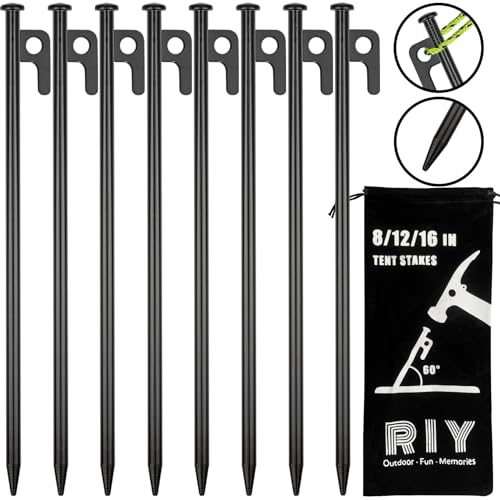
🔧 Nail/Solid Stakes
- Best for: Hard ground, compacted soil, and rocky areas
- Material: Steel or titanium
- Pros: Very strong, can be hammered in
- Cons: Heavy, can damage tent floor if not careful
🌙 Half-Moon (Shepherd's Hook)
- Best for: Soft ground and light tents
- Material: Aluminum or plastic
- Pros: Lightweight, cheap, easy to use
- Cons: Poor holding power in wind or loose soil
❄️ Snow/Sand Pegs
- Best for: Snow, sand, and mud
- Material: Aluminum or plastic with wide surface
- Pros: Wide surface area prevents sinking
- Cons: Bulky, not suitable for hard ground
🔲 Deadman Anchor
- Best for: Snow and sand (buried anchors)
- Material: Fabric or plastic
- Pros: Very strong when buried, lightweight
- Cons: Requires practice to set up correctly
Tent Peg Materials: Strength vs. Weight
| Material | Weight | Strength | Durability | Best Use |
|---|---|---|---|---|
| Aluminum | Light | Medium | Good | Backpacking, soft soil |
| Steel | Heavy | Very High | Excellent | Car camping, hard ground |
| Titanium | Very Light | High | Excellent | Ultralight backpacking |
| Plastic/Composite | Light | Low | Moderate | Sand/snow, light tents |
How to Choose the Right Tent Pegs
Selecting the correct tent pegs depends on three factors: terrain, tent weight, and weather conditions. For car camping, you can afford heavier steel stakes for maximum security. For backpacking gear, prioritize lightweight aluminum or titanium. Always carry extra pegs—losing one can compromise your entire setup.
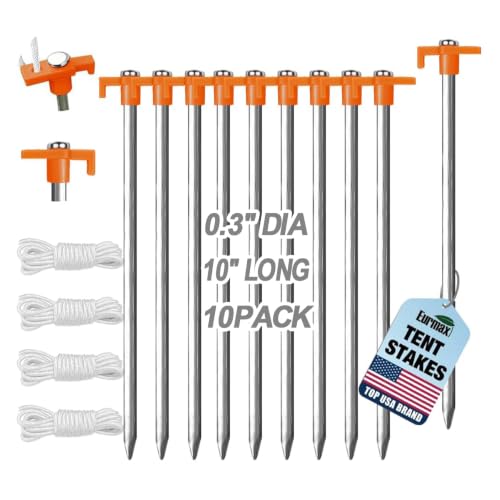
- Soft ground (sand, loose soil): Use spiral or snow pegs with wide surface area.
- Hard ground (compacted dirt, rocky): Choose nail or V-shaped steel stakes.
- Snow/ice: Deadman anchors or corkscrew pegs are essential.
- Windy conditions: Opt for V-shaped or spiral pegs with strong holding power.
Pro Tips for Using Tent Pegs
- Angle pegs away from the tent at 45° for maximum holding power.
- In sandy or snowy conditions, bury pegs horizontally using the deadman technique.
- Use a camping mallet or a rock to drive pegs into hard ground—never use your foot.
- Always carry a peg puller or pliers to remove stubborn stakes.
- Store pegs in a dedicated sack to prevent damage to your tent floor.
Common Tent Peg Mistakes to Avoid
- ❌ Using short pegs in soft ground—they'll pull right out.
- ❌ Driving pegs straight down instead of angling them.
- ❌ Forgetting to bring a peg extractor—bent pegs are hard to remove.
- ❌ Not checking pegs after heavy rain—they can loosen as soil softens.
- ❌ Using plastic pegs in high winds—they snap easily.
Ready to Secure Your Shelter?
Now that you know everything about tent pegs, you're ready to choose the perfect anchors for your camping style. Explore our recommended products below to find the best tent pegs for your next outdoor adventure.
Shop Top-Rated Tent Pegs →