Side Sleepers with Hip Pain: Camping Sleep Solutions That Work
Discover how to choose the right camping mattress, pad, or topper to relieve hip pressure and get a comfortable night's sleep outdoors—even if you're a dedicated side sleeper.
If you're a side sleeper, you already know the struggle: your hip bears the brunt of your body weight night after night. Add a thin, unforgiving camping pad to the mix, and what should be a restful outdoor escape turns into a painful, sleep-deprived ordeal. The good news? You don't have to accept discomfort as part of the camping experience. With the right gear and a few strategic adjustments, side sleepers with hip pain can enjoy comfortable, restorative sleep under the stars.
This guide will walk you through the essential factors to consider when choosing camping sleep gear for hip pain, compare the best options available, and share practical tips to protect your hips while sleeping outdoors. Whether you're a car camper, backpacker, or RV enthusiast, you'll find actionable advice to make your next trip pain-free.
Why Side Sleepers Struggle on Camping Pads: When you lie on your side, your body weight concentrates on a small area—your hip and shoulder. A thin camping pad bottoms out under this concentrated pressure, causing your hip to sink into the ground and your spine to misalign. The result is morning stiffness, numbness, and aggravated hip pain. The solution is a sleeping surface thick enough and supportive enough to distribute weight evenly.
Why Do Side Sleepers Get Hip Pain While Camping?
Hip pain during camping typically stems from three interconnected issues: insufficient cushioning, poor spinal alignment, and pressure point buildup. When you sleep on your side on a thin pad, your hip joint presses directly against a hard surface. This compresses the soft tissues around the hip, restricts blood flow, and triggers inflammation—especially if you already have conditions like bursitis, tendinitis, or arthritis.
Additionally, a sagging hip throws your spine out of alignment, which can lead to lower back pain and stiffness. The key to preventing this is selecting a sleeping surface that keeps your spine in a neutral position while cushioning your hip and shoulder. This usually means a pad that's thick enough (at least 3 inches), has a supportive core, and offers a plush top layer for comfort.
For those who prefer a more traditional mattress feel, a mattress topper for side sleepers with hip pain can transform a standard camping pad into a comfortable, supportive surface. These toppers add a layer of memory foam or gel that conforms to your body's contours, relieving pressure on the hip and shoulder.
Key Features to Look for in Camping Sleep Gear for Hip Pain
Not all camping pads are created equal—especially when you're a side sleeper with hip pain. Here's what to prioritize:
1. Thickness and Cushioning
Thickness is arguably the most critical factor. A pad that's too thin (under 2 inches) will bottom out under your hip, no matter how soft the top layer feels. Look for pads that are at least 3 inches thick, and ideally 4–6 inches if you're a heavier sleeper or have severe hip pain. Air mattresses and self-inflating pads tend to offer the most thickness, while closed-cell foam pads are generally too thin for side sleepers.
2. Support and Firmness
While cushioning is important, support is equally essential. A pad that's too soft allows your hip to sink too deeply, misaligning your spine. A pad that's too firm creates pressure points. The sweet spot is a pad with a supportive core (like air chambers or high-density foam) topped with a softer, contouring layer. Hybrid designs—such as air pads with foam toppers—often strike this balance best.
3. Pressure Distribution
Look for features that actively distribute pressure away from the hip. Memory foam, gel-infused layers, and baffled air chambers all help spread your body weight more evenly. Some premium pads even use variable baffle heights to create a cradle-like effect that supports your side profile without bottoming out.
4. Portability and Packability
If you're backpacking, you'll need to balance comfort with weight and pack size. Air pads and inflatable mattresses are generally the most packable, while self-inflating pads and memory foam toppers are bulkier but offer more comfort. For car camping or RV trips, you can prioritize comfort over portability and choose a thicker air mattress or a mattress topper.
5. Durability and Materials
Camping gear takes a beating, so look for pads made from durable materials like ripstop nylon or polyester. A pad with a puncture-resistant bottom and a soft, breathable top fabric will serve you well over multiple seasons. Also consider whether the pad comes with a repair kit—a worthwhile investment for air mattresses.
Pro Tip: If you already own a camping pad that's too thin, try adding a memory foam mattress topper for side sleepers on top. This is a cost-effective way to add cushioning without buying a whole new pad. Just make sure the topper is thick enough (at least 2 inches) to make a noticeable difference.
Types of Camping Sleep Gear for Side Sleepers with Hip Pain
There are several categories of camping sleep gear, each with its own strengths and weaknesses. Here's a breakdown to help you choose the right one for your needs.
Air Mattresses
Air mattresses are a popular choice for car campers and families because they're comfortable, spacious, and often come with built-in pumps for easy inflation. For side sleepers with hip pain, look for air mattresses with a thickness of at least 6–8 inches. Some models feature dual chambers or adjustable firmness settings, allowing you to fine-tune the support. A blow-up bed with built-in pump is a convenient option that eliminates the need for a separate pump.
However, air mattresses can be less stable than foam pads—if you're a restless sleeper, you might feel the mattress shift under you. Also, air mattresses can lose air overnight, so choose a model with a reliable valve and consider bringing a patch kit.
Self-Inflating Sleeping Pads
Self-inflating pads combine open-cell foam with air, offering a good balance of comfort and support. They're generally more stable than pure air mattresses and pack down smaller than traditional foam pads. For side sleepers, look for self-inflating pads that are at least 3 inches thick. These pads are a great choice for backpackers who need a lightweight option but don't want to sacrifice too much comfort.
Memory Foam Mattress Toppers
If you already have a camping pad or air mattress, adding a memory foam mattress topper with cooling gel can dramatically improve comfort. These toppers conform to your body, relieving pressure on the hip and shoulder. Cooling gel helps regulate temperature, which is a common concern with memory foam. Look for a topper that's at least 2–3 inches thick for noticeable relief.
For those with back and hip pain, a mattress topper for back and hip pain can provide targeted support. These toppers often feature zoned construction or firmer edges to keep your spine aligned.
Hybrid Pads and All-in-One Solutions
Some camping sleep systems combine an air pad with a foam topper in a single unit. These hybrid designs offer the best of both worlds: the adjustability of air with the comfort of foam. An all-in-one sleeping bag and mattress is another convenient option for side sleepers who want a hassle-free setup.
Cot Camping
Camping cots can be a good option for side sleepers who struggle with ground-level pads. A cot elevates you off the ground, providing a flatter, more consistent surface. However, cots can be heavy and bulky, so they're best for car camping. Pair a cot with a temperature-regulating mattress pad to add cushioning and comfort.
Comparison: Camping Sleep Gear for Side Sleepers with Hip Pain
| Type | Thickness | Comfort for Hip Pain | Portability | Best For |
|---|---|---|---|---|
| Air Mattress (with pump) | 6–10 inches | High (adjustable firmness) | Low–Moderate (bulky) | Car campers, families, RV trips |
| Self-Inflating Pad | 2–4 inches | Moderate–High | Moderate | Backpackers, weekend campers |
| Memory Foam Topper | 2–4 inches | Very High | Low (bulky) | Car campers, adding comfort to existing pad |
| Hybrid Pad (air + foam) | 3–5 inches | High | Moderate | Backpackers wanting comfort |
| Camping Cot | N/A (elevated) | Moderate (needs pad) | Low (heavy) | Car campers, those who struggle with ground sleep |
Practical Tips for Side Sleepers with Hip Pain
Beyond choosing the right gear, a few simple adjustments can make a big difference in how your hips feel after a night of camping.
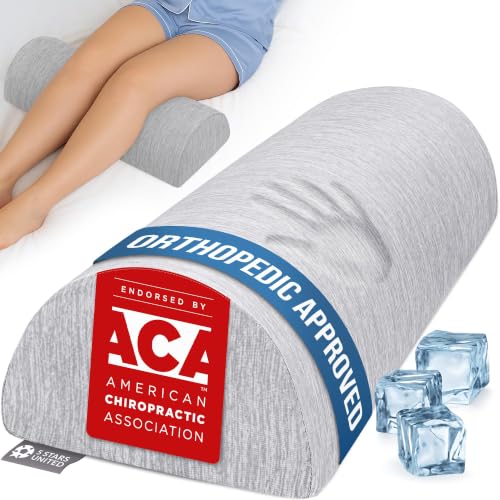
- Use a pillow between your knees. This simple trick aligns your hips and spine, reducing strain on your hip joints. A small camping pillow or even a rolled-up jacket works well.
- Stretch before bed. Gentle hip stretches—like the figure-four stretch or a simple knee-to-chest stretch—can relieve tension and prepare your hips for sleep.
- Choose a flat, level campsite. Sleeping on an incline forces your body to work harder to stay in place, increasing pressure on your hips. Look for a flat spot and clear away any rocks or roots.
- Layer for comfort. A silk sleeping bag liner adds a soft, smooth layer that reduces friction and can make your sleeping bag feel more comfortable.
- Consider a sleeping pad for the floor. If you're sleeping in a tent, a sleeping pad for the floor adds insulation and cushioning, especially if the ground is cold or hard.
- Test your setup at home. Before your trip, set up your sleeping pad or air mattress at home and sleep on it for a night. This helps you identify any issues before you're stuck in the woods.
Don't Forget: A temperature-regulating mattress pad can help keep you comfortable throughout the night, especially if you tend to overheat or feel cold. For winter camping, a winter sleeping bag paired with an insulated pad is essential to prevent cold-induced stiffness and pain.
How to Choose the Right Sleeping Pad for Your Hip Pain
With so many options on the market, narrowing down your choices can feel overwhelming. Here's a step-by-step approach to help you decide:
- Assess your pain level and sleeping style. If your hip pain is severe, prioritize thickness and cushioning over portability. If you're a backpacker, look for lightweight hybrid pads with good support.
- Determine your camping style. Car campers can choose heavier, more comfortable options like air mattresses and thick toppers. Backpackers need to balance comfort with weight and pack size.
- Consider your budget tier. Entry-level pads are usually basic air or foam pads with limited thickness. Mid-range options offer better materials and support. Premium pads feature advanced pressure-relief technology and durable construction. For hip pain, investing in a mid-range or premium pad is often worth it for the added comfort.
- Read reviews and check return policies. Look for pads with positive reviews from side sleepers. A generous return policy allows you to test the pad and return it if it doesn't work for you.
- Think about insulation. If you camp in cold weather, check the pad's R-value (a measure of insulation). A higher R-value keeps you warmer, which can indirectly reduce hip stiffness.
For a more targeted approach, consider a sleeping pad for the floor that's specifically designed for side sleepers. These pads often feature zoned cushioning or extra thickness in the hip and shoulder areas. If you're unsure where to start, our guide to the most comfortable way to sleep in a tent offers additional tips for maximizing comfort.
Frequently Asked Questions
What is the best camping mattress for side sleepers with hip pain?
The best camping mattress for side sleepers with hip pain is one that offers sufficient thickness (at least 3–4 inches), a supportive yet cushioned surface, and a design that prevents bottoming out. Air mattresses with built-in pumps, memory foam toppers, and hybrid pads are excellent choices for maintaining hip alignment and reducing pressure points.
How thick should a camping pad be for side sleepers?
For side sleepers, a camping pad should be at least 3 inches thick to provide adequate cushioning for the hip and shoulder. Thicker pads (4–6 inches) are even better for those with existing hip pain, as they distribute weight more evenly and prevent pressure buildup.
Can a sleeping pad topper help with hip pain while camping?
Yes, a sleeping pad topper—especially a memory foam or gel-infused topper—can significantly improve comfort for side sleepers with hip pain. Toppers add an extra layer of cushioning and conform to the body's contours, reducing pressure on the hips and shoulders. Look for toppers designed specifically for side sleepers, such as a mattress topper for side sleepers with hip pain.
What sleeping position is best for hip pain?
For side sleepers with hip pain, sleeping on the side with a pillow between the knees can help maintain spinal alignment and reduce hip pressure. However, the most important factor is having a supportive sleeping surface that prevents the hip from sinking too deeply. A mattress or pad with a balance of firmness and cushioning is ideal.
Final Thoughts
Camping with hip pain doesn't have to mean sacrificing comfort. By choosing a sleeping pad or mattress that provides adequate thickness, support, and pressure relief, you can enjoy a restful night's sleep and wake up ready for adventure. Whether you opt for a plush air mattress, a memory foam topper, or a hybrid pad, the key is to prioritize your comfort and listen to your body.
Remember to test your gear before your trip, use supportive accessories like knee pillows, and don't hesitate to invest in a quality pad—your hips will thank you. For more tips on camping comfort, explore our guides on how to pack for a camping trip and essential things to pack for camping.
Ready to upgrade your sleep setup? Browse our recommended products below to find the perfect camping mattress or topper for your needs.