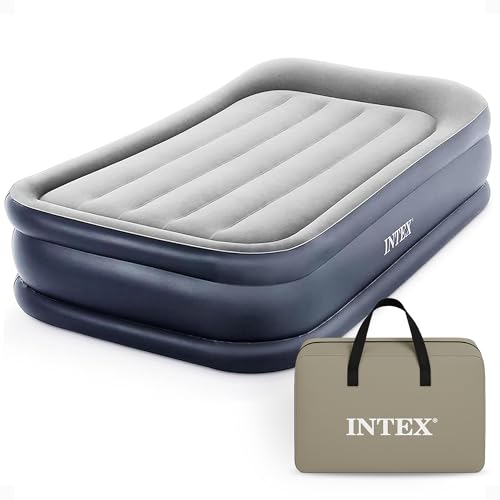
Single Bed Air Mattress with Built-in Pump: The Complete Guide
Everything you need to know about choosing the perfect self-inflating single air bed. From durability and comfort to rapid inflation, discover your ideal portable sleeping solution for guests or camping.
VIEW RECOMMENDED MODELSQuick Take: A high-quality single bed air mattress with built-in pump typically costs between $60 and $150, inflates in under 3 minutes, and can support up to 300 lbs. The integrated pump eliminates the need for external hardware, making it the most convenient choice for overnight guests, road trips, and compact camping setups.
Why Choose a Single Air Mattress with Built-in Pump?
For campers who prioritize a good night's sleep, a reliable air mattress is just as crucial as a quality camping tent. A single bed air mattress with a built-in pump offers the ultimate in convenience. Unlike traditional air beds that require a separate electric or manual pump, these integrated models self-inflate in minutes with the flip of a switch. This feature is especially valuable when you arrive at a camping spot after dark or need to quickly set up an extra bed at home. The combination of internal pump technology, flocked or coil-beam construction, and compact storage capability makes them a top choice for solo campers, students in dorms, and anyone with limited storage space.
Beyond convenience, these mattresses are engineered for consistent support throughout the night. Many models incorporate advanced air coil systems that distribute weight evenly, mitigating the "roll-together" effect common in cheaper inflatables. They also tend to be taller than traditional camping mats, keeping you off the cold ground and making it easier to get in and out of bed — a significant advantage over a standard camping cot in terms of pure cushioning. Whether you're planning a solo car camping trip or accommodating an unexpected guest, the speed and simplicity of a built-in pump cannot be overstated.
What to Expect: Standard Specifications
Advantages
- No external pump required; cord stores inside
- Rapid inflation and deflation (under 4 minutes)
- Elevated height mimics a real bed
- Excellent for guest rooms and family camping
- Many offer adjustable firmness settings
- Compact storage size when deflated
Disadvantages
- Requires a nearby power outlet (unless rechargeable)
- Heavier than a basic camping pillow or foam pad
- Vulnerable to punctures on rough ground
- PVC models can have a strong initial odor
- May lose some air in cold temperatures
- Not suitable for backpacking
Key Features to Consider Before Buying
Selecting the right single bed air mattress involves understanding how construction, pump type, and height impact your sleep quality. Here’s what to look for:
Pump Type & Power Source
Standard models plug directly into a 110-120V AC wall outlet, perfect for guest rooms and campsites with power hookups. If you're heading off-grid, consider a model with a rechargeable battery pump, ensuring you can inflate your bed even when dispersed camping places lack electrical connections.
Material & Durability
PVC (Polyvinyl Chloride) is standard and budget-friendly, but puncture-resistant TPU (Thermoplastic Polyurethane) or reinforced vinyl with a multi-layer construction offers significantly better longevity. For use inside a tent, always pair the mattress with a camping blanket or ground tarp underneath to prevent abrasion.
Coil Beam vs. Wave Beam
Internal coil beams provide better spinal alignment and weight distribution, making them the preferred choice for side sleepers. Wave beam construction is more affordable and lighter but may not offer the same level of orthopedic support for long-term nightly use.
Flocked Surface
A soft, flocked top adds a layer of warmth and prevents sheets from slipping. It also reduces the plastic crinkle sound. This is a non-negotiable feature if you plan to use the mattress for regular indoor guests or during winter camping when thermal comfort matters.
Maximizing Comfort and Setup Efficiency
Getting the most out of your air mattress requires more than just unfolding it. Temperature plays a major role in air pressure; cold air causes the air inside the mattress to contract, making the bed feel softer. It's normal to top off the air after the first few hours of use, as the material stretches. For the best night's sleep, pair your air bed with a memory foam mattress topper to alleviate pressure points, especially if you suffer from hip pain.
Setup is remarkably straightforward compared to assembling a camping kitchen. Simply unroll the mattress on a flat, debris-free surface, ensure the pump dial is set to "Inflate," and let the built-in mechanism do the work. Always store the mattress loosely rolled or folded without sharp creases, and keep it in a dry carry bag. For outdoor use, an inflatable air mattress with built-in pump offers a speedy bedding solution that integrates seamlessly into your overall camping checklist.
Single Air Mattress vs. Other Camping Sleep Systems
When planning a solo camping checklist, you might consider various options. While a sleeping pad or camping hammock excels in lightweight backpacking, the single air mattress with a built-in pump dominates in comfort and convenience. It sits significantly higher than a standard all-in-one sleeping bag and mattress combo, making it feel more like a permanent bed. Compared to a twin air mattress with built-in pump, the "single bed" designation often implies dimensions specifically optimized for one adult, balancing space within a tent and ample sleeping room.
Maintenance and Care for Longevity
Proper maintenance significantly extends the life of your air bed. After each trip, clean the surface with a damp cloth and mild soap, ensuring it is completely dry before storage to prevent mold and mildew. Periodically inspect the seams and the area around the built-in pump for microscopic leaks. A common point of failure is over-inflation; using the auto-stop function (if available) or leaving a slight softness can prevent seam stress. Should a puncture occur, most models include a repair patch kit. For families, ensuring the mattress is placed away from sharp objects inside the tent is vital — a rule of thumb found in any family camping checklist.
If you're storing the mattress in a vehicle trunk between trips, avoid placing heavy camping gear directly on top of it. The sharp edges of a camping stove or the frame of a camping chair can easily wear through the storage bag and puncture the vinyl.