Portable Pellet Stove: The Ultimate Off-Grid Heating Solution
Discover how a portable pellet stove can transform your camping, van life, or emergency preparedness with efficient, clean, and reliable heat.
EXPLORE TOP PICKSWhy a Portable Pellet Stove? Unlike traditional wood stoves, pellet stoves offer consistent heat, minimal smoke, and precise temperature control. They are ideal for tent camping, ice fishing shelters, tiny homes, and RVs, providing a safe and efficient way to stay warm without constant tending.
What Is a Portable Pellet Stove and How Does It Work?
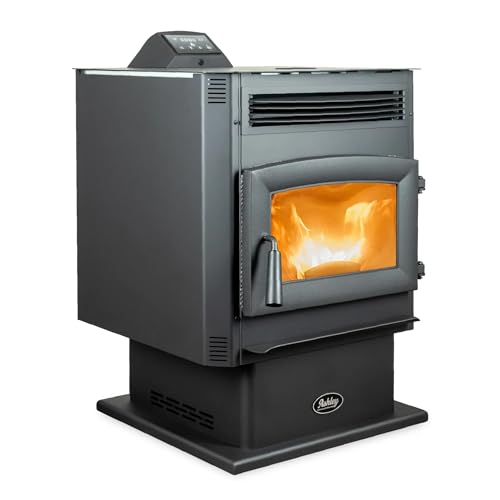
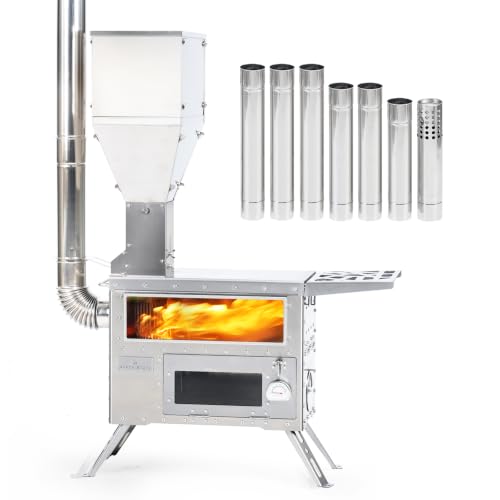
A portable pellet stove is a compact, freestanding heating appliance that burns small, compressed wood pellets to generate heat. Unlike conventional wood stoves that require split logs, pellet stoves use an auger system to feed pellets from a hopper into a burn pot at a controlled rate. This automated feeding mechanism ensures a steady, consistent flame with minimal user intervention.
The combustion process in a portable pellet stove is highly efficient. A fan forces air into the burn pot, creating a hot, clean-burning fire. Most models feature a secondary burn system that ignites remaining gases, reducing emissions and maximizing heat output. The resulting exhaust is vented outside through a small pipe, keeping your living space free of smoke and odors.
For campers and outdoor enthusiasts, the key advantage is the stove's ability to run for hours on a single hopper fill. Depending on the model and burn rate, you can enjoy 8 to 24 hours of continuous heat without refueling. This makes a portable pellet stove an excellent choice for winter camping, where staying warm is critical for safety and comfort.
Types of Portable Pellet Stoves: Which One Is Right for You?
Portable pellet stoves come in several designs, each suited to different applications. Understanding the distinctions will help you choose the best model for your needs.
1. Tent and Shelter Stoves
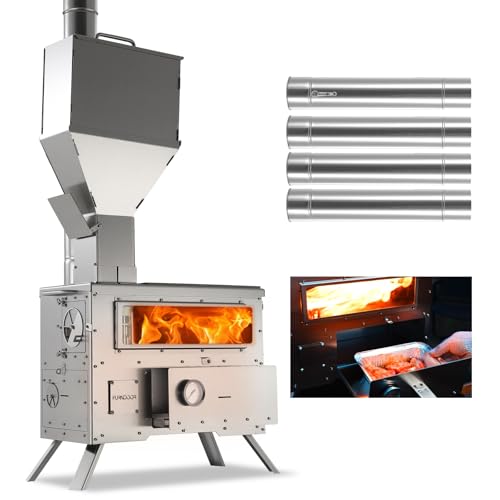
These are lightweight, collapsible stoves designed specifically for canvas tents, tipis, and wall tents. They often feature a flat-top cooking surface and a stovepipe that exits through a stove jack. Models in this category range from entry-level to premium, with premium options offering better insulation, larger hoppers, and more precise air control. They are perfect for hot tent camping and basecamp setups.
2. RV and Van Stoves
Smaller and more enclosed, these stoves are designed for mobile living spaces. They typically have a lower profile, a smaller hopper, and a venting system that can be adapted to an RV wall. A portable pellet stove for an RV is an excellent alternative to propane RV stoves, offering drier heat and reduced condensation. They are a popular choice for RV camping and van life.
3. Emergency and Backup Heaters
These compact units prioritize ease of use and safety. They often have battery-powered ignition and fans, making them suitable for power outages. While they may not have the same heat output as larger models, they are invaluable for emergency preparedness and keeping a small room warm during a blackout.
Pros of Portable Pellet Stoves
- Highly efficient and clean-burning
- Consistent, thermostat-controlled heat
- Long burn times (8-24 hours)
- Minimal smoke and ash
- Fuel is compact and easy to store
Cons of Portable Pellet Stoves
- Requires electricity for fan and auger (some models)
- Pellets must be kept dry
- Heavier than some alternative heaters
- Initial investment can be higher than basic wood stoves
- Need for proper venting
Key Features to Consider Before Buying
When shopping for a portable pellet stove, focus on these critical features to ensure you get a model that meets your specific requirements.
Heat Output and Coverage
Heat output is measured in BTUs (British Thermal Units). For tent camping, a stove with an output of 20,000 to 40,000 BTUs is typically sufficient for a 4- to 6-person tent. For an RV or small cabin, you may need a higher output. Remember that insulation and outside temperature play a significant role in how effectively a stove heats a space.
Hopper Capacity and Burn Time
The hopper holds the pellets. A larger hopper means longer burn times between refills. For overnight heating, look for a hopper that provides at least 8 hours of burn time at a medium setting. Some premium models offer hoppers that can last up to 24 hours on a low setting.
Power Source and Ignition
Many portable pellet stoves require electricity to power the auger, fan, and ignition system. Some models offer battery-powered options or can run on 12V DC, which is ideal for RVs and off-grid setups. If you plan to use your stove in a remote location, consider a model with a manual ignition or a battery backup. You may also need a camping power bank or a portable power station to run the stove.
Venting and Safety
Proper venting is crucial. The stove must be connected to a stovepipe that safely exits your tent, RV, or shelter. Look for stoves that come with a complete venting kit or have readily available accessories. Always install a carbon monoxide detector in your space, and follow the manufacturer's clearance requirements to prevent fire hazards. Safety should always be your top priority, so review our campfire safety rules for general outdoor fire safety principles.
Portability and Weight
If you plan to move your stove frequently, weight and size are important. Look for models with folding legs, handles, and a compact design. A stove that is too heavy or bulky can be a burden on your camping trips. Consider how you will transport it and whether it fits in your vehicle.
How to Use a Portable Pellet Stove Safely and Efficiently
Using a portable pellet stove is straightforward, but following best practices ensures safety and optimal performance.
Step 1: Choose a Safe Location
Place your stove on a level, non-combustible surface. Keep it away from walls, tents, and other flammable materials. Maintain the manufacturer's recommended clearances. If using in a tent, ensure the stove is stable and cannot be knocked over. Use a heat shield or stove board if necessary.
Step 2: Fill the Hopper
Use high-quality wood pellets designed for pellet stoves. Avoid pellets with additives or excessive fines (dust). Fill the hopper according to the manufacturer's instructions. Do not overfill.
Step 3: Start the Stove
If your stove has an automatic igniter, simply turn it on and set your desired temperature. For manual ignition, follow the manufacturer's instructions, which typically involve using a fire starter gel or a torch to ignite the pellets in the burn pot. Once the fire is established, the auger will begin feeding pellets automatically.
Step 4: Adjust the Settings
Use the control panel to adjust the heat output and fan speed. A higher fan speed distributes heat more effectively but may use more electricity. Find a balance that keeps you comfortable without consuming excessive fuel.
Step 5: Monitor and Maintain
Check the stove periodically to ensure it is burning efficiently. Empty the ash pan when it becomes full, and clean the burn pot regularly to prevent clogs. Always turn off the stove and allow it to cool completely before performing maintenance. For more tips on staying warm, read our guide on how to stay warm in winter.
Maintenance and Troubleshooting Tips
To keep your portable pellet stove running smoothly, regular maintenance is key.
Daily Maintenance
- Check the burn pot for clinkers and remove them.
- Empty the ash pan if it is more than half full.
- Wipe down the glass door (if applicable) with a damp cloth when cool.
Weekly Maintenance
- Clean the heat exchanger tubes with a brush.
- Vacuum the interior of the stove, including the ash traps.
- Check the door gasket for a tight seal.
Annual Maintenance
- Inspect the venting system for blockages or leaks.
- Lubricate the auger motor and fan bearings if required.
- Consider a professional inspection if you use the stove heavily.
Common Issues and Solutions
Stove won't ignite: Check the igniter, ensure the burn pot is clean, and verify that pellets are feeding.
Smoke in the room: Check for a blocked vent, a faulty door gasket, or negative pressure in the room.
Inconsistent flame: Clean the burn pot, check the auger for obstructions, and ensure the pellets are dry.
Top Use Cases for a Portable Pellet Stove
These versatile heaters are invaluable in a variety of situations.
- Tent Camping: Extend your camping season into cold weather with a winter tent and a portable pellet stove. It's a game-changer for comfort.
- Ice Fishing: Keep your ice fishing shelter warm and comfortable. A portable pellet stove is safer and cleaner than propane in an enclosed space. Learn more about ice fishing safety.
- RV and Van Life: Reduce reliance on propane and enjoy dry, consistent heat. A pellet stove is a great addition to any RV camping setup.
- Emergency Preparedness: Have a reliable source of heat during power outages. Store pellets safely and you'll be ready for winter storms. See our winter emergency kit guide.
- Workshops and Garages: Heat your workspace without fumes. A portable pellet stove is an excellent choice for a garage or shed.
Frequently Asked Questions
Can I use a portable pellet stove in a tent?
Yes, but you must use a tent designed for stove use (with a stove jack) and ensure proper ventilation. Always follow the stove's clearance requirements and use a carbon monoxide detector. Never use a pellet stove in a small, unventilated tent.
How long does a portable pellet stove burn on one hopper?
Burn time depends on the hopper size and heat setting. Typically, you can expect 8 to 12 hours on a medium setting. Premium models with larger hoppers can burn for up to 24 hours on a low setting.
Do portable pellet stoves need electricity?
Most models require electricity for the auger, fan, and ignition. Some can run on 12V DC or battery power, which is ideal for off-grid use. There are also manual-ignition models that use less electricity.
What type of pellets should I use?
Use high-quality wood pellets made from hardwood or softwood. Avoid pellets with additives, binders, or a high moisture content. Premium pellets produce less ash and burn hotter.
How do I vent a portable pellet stove?
You need a stovepipe that connects to the stove's exhaust outlet and safely exits your space. For tents, a stove jack is used. For RVs, you can vent through a wall or roof. Always follow the manufacturer's instructions and local codes.
Are portable pellet stoves safe?
When installed and used correctly, they are very safe. However, they produce carbon monoxide, so proper venting and a CO detector are essential. Keep flammable materials away and never leave a stove unattended for long periods.
Explore More: If you're setting up an off-grid heating system, you might also be interested in our guides on propane RV stoves, single stove burners, and fuel tablet stoves. For those looking to power their stove, check out our articles on portable power stations and solar chargers for camping. And don't forget to review winter camping gear for a complete cold-weather setup.