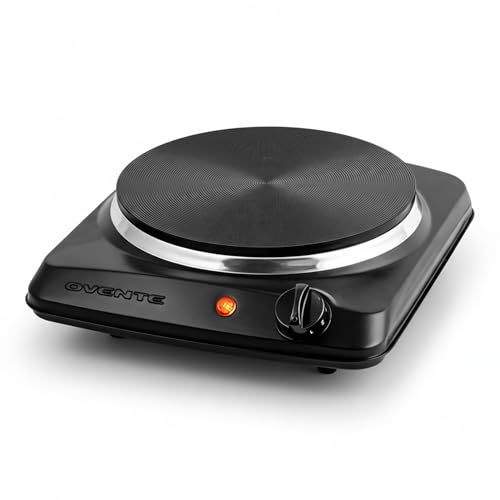
The Ultimate Guide to Single Stove Burners for Camping
For campers who value efficiency, packing light, and a hot meal after a long day on the trail, a single stove burner is an indispensable piece of gear. This guide will walk you through everything you need to know to choose the perfect one.
Key Takeaways
- A single stove burner is ideal for solo campers, backpackers, and minimalist setups.
- Fuel type is the most critical decision: canister stoves are easiest, liquid fuel excels in cold, and wood stoves are self-sufficient.
- Consider weight, boil time, and stability based on your primary camping style.
- Always prioritize safety by using your stove in a well-ventilated area, never inside a tent.
What Is a Single Stove Burner and Why You Need One
At its core, a single stove burner is a compact, portable cooking appliance designed to provide one focused source of heat. Unlike large two-burner camp stoves that are perfect for family car camping, these single-burner units are masterpieces of efficiency. Their primary goal is to deliver a hot meal or a boiled pot of water while taking up minimal space and weight in your pack. This efficiency is why they are a non-negotiable item on any essential camping packing list.
For many, the allure is simple: a hot cup of coffee at dawn or a warm, rehydrated meal after a long day of hiking can transform a challenging trip into a memorable adventure. If you're planning a trip and are wondering what to bring on a camping trip, a reliable single burner should be at the top of your list. These stoves are the workhorses of the backcountry kitchen, offering unmatched portability and simplicity.
Types of Single Stove Burners: Fuel Source Matters Most
The most significant dividing line between different stoves is the fuel they use. Each type has distinct advantages and disadvantages, making them suitable for different scenarios.
Canister Stoves: The Champion of Simplicity
These are the most popular stoves for recreational campers, and for good reason. They are incredibly user-friendly: you simply screw a pressurized gas canister onto the burner, turn a valve, and light it. They offer excellent temperature control, from a low simmer to a rapid boil. However, their performance drops in near-freezing temperatures, and you are dependent on the availability and cost of specific canisters.
Liquid Fuel Stoves: The Cold-Weather Specialist
These stoves run on white gas, kerosene, or even unleaded gasoline. They require a priming process to vaporize the fuel before burning, which can be intimidating for beginners. However, they are the undisputed champions of cold weather and high altitude. A liquid fuel stove will work reliably in conditions where a canister stove might fail. They are a favorite among serious mountaineers and winter campers who need a dependable tool for how to melt snow for water.
Wood-Burning Stoves: The Self-Sufficient Option
For those who want to be entirely self-reliant, a wood-burning stove is an incredible choice. These small units burn twigs, pinecones, and other small pieces of biomass you find around your campsite. They require no carry-on fuel and are perfect for longer expeditions where resupplying with canisters is impossible. The downside is that they need constant attention and can be messy to use. It's vital to follow all campfire regulations and check for fire bans before using one.
Key Features to Consider When Choosing a Stove
Once you've decided on a fuel type, it's time to look at the features that separate a good stove from a great one.
- Weight and Packability: This is paramount for backpackers. Entry-level canister stoves can weigh just a few ounces and fold down to the size of a small fist, fitting easily into a cook pot. If you're a minimalist, this is a top priority.
- Boil Time and Efficiency: A key performance metric is how quickly a stove can boil a liter of water. A powerful burner may boil water faster but will consume more fuel. An integrated system, where the pot and burner are a single unit, often offers the best fuel efficiency. For those who are camping alone, a simple and efficient burner is all you need.
- Stability and Pot Support: A lightweight stove can be top-heavy with a large pot. Look for stoves with wide, serrated pot supports and a low center of gravity. If you plan on using a large or heavy pot, you'll need a stove with a robust and stable design.
- Piezo Igniter vs. Matches: Many modern stoves come with a built-in piezo igniter, which creates a spark with the push of a button. While convenient, these can fail, especially in wet or cold conditions. It's always wise to carry a reliable backup like a lighter or waterproof matches.
- Simmer Control: If you're a foodie who wants to do more than just boil water, a stove with fine simmer control is a must. Cheaper stoves often have an all-or-nothing flame, making it difficult to do anything other than a rolling boil. A stove with good simmer control opens up a world of camp cooking possibilities.
How to Choose the Perfect Single Burner for Your Camping Style
The best stove for you depends entirely on how you camp.
- For Backpackers and Thru-Hikers: Your priority is weight above all else. A premium, minimalist canister stove made from titanium or aluminum is your best bet. These stoves are designed for one thing: boiling water quickly and efficiently with minimal fuel consumption.
- For Car Campers and Families: While you might have a larger two-burner stove, a single burner is an excellent companion for quick morning coffee or a simple lunch. You can choose a more stable and powerful model with features like a wider burner head and better pot supports, prioritizing performance over ultimate weight savings.
- For Winter and High-Altitude Adventurers: You'll want a liquid fuel stove or an inverted canister stove (which uses a liquid feed system). These are engineered to perform in extreme conditions where standard canister stoves struggle.
Frequently Asked Questions
What is a single stove burner best for?
A single stove burner is best for solo campers, backpackers, and minimalists who need a lightweight, portable, and efficient way to boil water and cook simple meals in the outdoors. Its compact size makes it ideal for saving space and weight in a pack.
Are single burner stoves safe to use inside a tent?
No, you should never use any fuel-burning stove inside a tent or any enclosed space. These stoves consume oxygen and produce carbon monoxide, an odorless and deadly gas. Always cook in a well-ventilated area, ideally outdoors, to ensure your safety.
How do I choose the right fuel type for my stove?
Your choice depends on your needs. Canister stoves are the easiest to use and are great for most campers. Liquid fuel stoves perform better in extreme cold and at high altitudes. Wood-burning stoves are a good option if you want to avoid carrying fuel and don't mind the extra effort of gathering wood.
Final Thoughts: Fueling Your Adventure
A single stove burner is more than just a piece of equipment; it's a ticket to a hot meal, a warm drink, and a moment of comfort in the wilderness. By understanding the different fuel types and key features, you can select a stove that perfectly matches your camping style, ensuring you're always prepared to cook a great meal, no matter where your adventures take you.